

How to Reduce Hot Tub Running Costs Without Sacrificing Comfort
Reduce hot tub running costs with better insulation, an efficient cover, smart temperature settings and economy modes. Regular maintenance and a sheltered location help improve energy efficiency without compromising comfort.

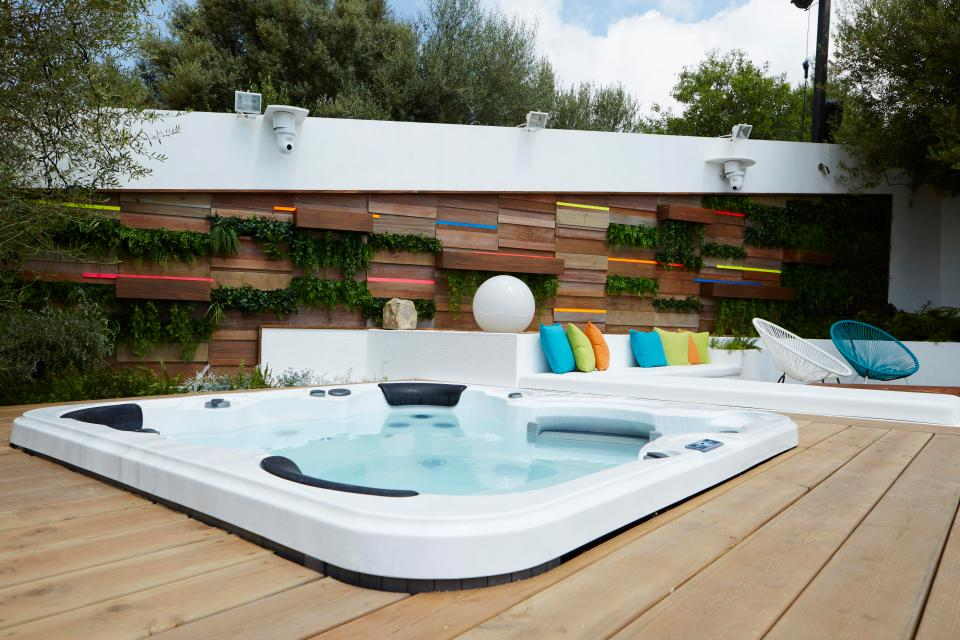
A hot tub is a fantastic way to relax, ease muscle tension and enjoy quality time at home. However, heating the water, running the filtration system and maintaining the right temperature can increase household energy bills. The good news is that a few simple changes can help reduce hot tub running costs without compromising your comfort or enjoyment.
1. Invest in a High-Quality Insulated Hot Tub Cover
One of the most effective ways to reduce hot tub energy consumption is to prevent heat from escaping. A well-insulated hot tub cover helps retain warmth, meaning your heater does not need to work as hard to maintain the desired temperature.
Always replace the cover securely after use and check it regularly for signs of waterlogging, damage or deteriorating insulation. A good-quality cover also helps keep debris out of the water, reducing cleaning and maintenance requirements.
2. Optimise Your Temperature Settings
Keeping your hot tub at a comfortable temperature is important, but setting it higher than necessary can increase energy consumption. Most users find temperatures between 37°C and 40°C comfortable, although individual preferences and safety considerations vary.
Try reducing the temperature slightly when the hot tub is not in regular use. If you use it frequently, maintaining a consistent temperature may be more practical than repeatedly reheating cold water. The best approach depends on your usage habits, climate and hot tub model.
3. Use Economy and Sleep Modes Wisely
Many modern hot tubs feature economy or sleep modes designed to reduce energy consumption during periods of inactivity.
Economy mode typically limits heating to scheduled periods or specific operating conditions, while sleep mode may allow the water temperature to drop further below the set point before reheating. Exact behaviour varies by control system.
Choose the setting that suits your routine. If you use your hot tub every evening, a suitable economy schedule could help balance energy savings with convenience. Always consult your manufacturer's instructions before changing settings.
4. Improve Insulation Around Your Hot Tub
Heat can escape through the cabinet, base and plumbing, particularly in colder weather. If you live in an area with chilly winters, effective insulation can make a noticeable difference to running costs.
When choosing a new hot tub, look for efficient cabinet insulation, an insulated base and well-designed plumbing. For an existing model, check for damaged panels, draughts or insulation issues and arrange professional repairs where necessary.
5. Maintain Clean Filters and Efficient Water Circulation
Dirty filters can restrict water flow and affect the performance of your hot tub's circulation and filtration systems. Clean filters regularly according to the manufacturer's recommendations and replace them when needed.
Keep the water balanced, too. Proper water chemistry helps protect equipment, supports effective sanitisation and can reduce the need for corrective maintenance.
Avoid shortening filtration cycles indiscriminately, as adequate circulation and sanitation are essential for safe, clean water.
6. Choose a Sheltered Location
Wind and cold weather can increase heat loss, particularly when the cover is removed. Positioning your hot tub in a sheltered area can help protect it from strong winds and harsh weather.
A suitable gazebo, privacy screen or windbreak may improve comfort while reducing exposure. Ensure the installation allows adequate ventilation and safe access for maintenance, following the manufacturer's guidance.
7. Monitor Your Energy Consumption
Understanding when your hot tub uses the most electricity can help you identify opportunities to save. Check your energy bills, review any available monitoring features and compare consumption before and after changing your settings.
Avoid assuming that switching the hot tub off completely will always save money. Reheating a large volume of cold water can be energy-intensive, particularly in winter.
Conclusion
Reducing hot tub running costs does not mean giving up warm, relaxing soaks. By investing in a quality insulated cover, optimising temperature settings, using energy-saving modes and maintaining your equipment, you can improve efficiency while preserving comfort.
With the right combination of everyday habits and efficient equipment, your hot tub can remain an enjoyable part of your home without placing unnecessary pressure on your energy budget.
















Comments (0)