

Landscaping Services in Dallas TX: A Guide to Beautiful Outdoor Spaces
For property owners in Dallas, Texas, landscaping also requires practical decisions about heat, rainfall, soil conditions, and ongoing maintenance.

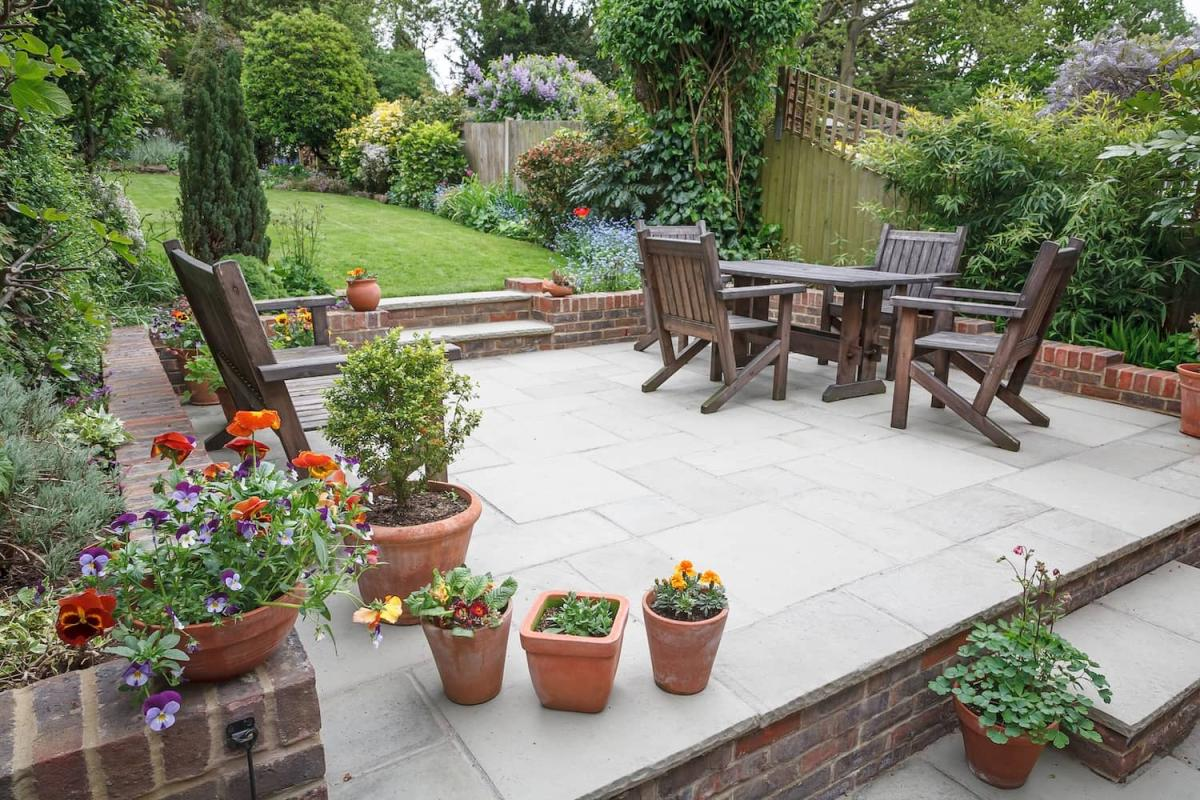
A well planned landscape can change the way a property looks and feels. Healthy grass, attractive plants, shaded seating areas, and clean walkways can make outdoor spaces more inviting while improving their everyday use. For property owners in Dallas, Texas, landscaping also requires practical decisions about heat, rainfall, soil conditions, and ongoing maintenance.
Every property has different needs. Some homeowners want a simple lawn that stays neat throughout the year, while others prefer colorful garden beds, patios, and outdoor entertainment areas. Commercial property owners may focus on creating a clean entrance and maintaining an attractive appearance for customers and visitors.
Understanding the basics of landscape planning can help you make informed choices, manage costs, and avoid common problems. With the right approach, landscaping services in Dallas TX can help transform an ordinary outdoor area into a more useful and attractive part of your property.
Why Professional Landscaping Is Important
Improving Curb Appeal
The outdoor appearance of a property often creates the first impression. An overgrown lawn, damaged plants, or uneven garden beds can make a property look neglected. In contrast, trimmed grass, healthy trees, and organized planting areas create a cleaner and more welcoming appearance.
Curb appeal matters for residential and commercial properties alike. Homeowners may want a more attractive entrance, while business owners may need outdoor areas that reflect a professional image. Consistent landscaping helps maintain that appearance rather than relying on occasional cleanup.
Making Outdoor Spaces More Useful
Landscaping is not only about appearance. A good design can make a yard easier to enjoy and maintain. For example, a shaded sitting area can provide a comfortable place to relax, while a properly planned walkway can make it easier to move between outdoor spaces.
Families may need open lawn areas for recreation, while businesses may benefit from clear paths, attractive entrances, and neatly maintained green spaces. Planning around how people use the property helps ensure that the finished landscape serves a practical purpose.
Understanding Landscaping Needs in Dallas
Choosing Plants for Local Weather
Dallas experiences hot summers, changing rainfall, and occasional cold winter conditions. These weather patterns can affect how well grass, flowers, shrubs, and trees grow. Plants that require constant moisture may struggle during dry periods, especially when planted in exposed areas with direct sunlight.
Choosing plants suited to North Texas conditions can help reduce unnecessary maintenance. Native plants and other climate appropriate varieties may be good options, depending on the location, soil, and amount of sunlight available.
Before selecting plants, consider the following factors:
-
Sunlight exposure throughout the day, including areas with afternoon heat.
-
Soil conditions and how quickly water drains after rainfall.
-
The mature size of each plant and the space available for healthy growth.
These details help create a landscape that fits the property instead of forcing plants to grow in unsuitable conditions.
Managing Soil and Drainage
Soil quality affects the health of lawns, trees, and garden plants. Some areas may have dense soil that drains slowly, while others may dry out quickly. Understanding the soil before planting can help determine whether improvements are needed.
Drainage is especially important after heavy rainfall. Water that collects near a building or remains on the lawn for long periods can damage plants and create maintenance concerns. A landscape plan should consider the direction of water flow, the slope of the ground, and the location of planting beds and paved surfaces.
Mulch can help reduce moisture loss, limit weed growth, and protect soil around many plants. However, it should be applied correctly and kept away from direct contact with tree trunks and building materials.
Common Landscaping Services for Different Properties
Lawn Care and Regular Maintenance
A healthy lawn requires regular care based on its grass type and growing conditions. Mowing, edging, weed control, and seasonal maintenance can help grass remain neat and support healthy growth.
Mowing too short can stress grass, particularly during hot weather. Watering too frequently may encourage shallow roots, while insufficient watering can leave dry patches. A suitable watering routine should account for rainfall, soil moisture, grass variety, and local watering restrictions.
Routine lawn care also provides an opportunity to identify problems early. Bare spots, unusual discoloration, and areas of standing water may point to issues that need attention before they become more difficult to manage.
Landscape Design and Plant Installation
Landscape design brings together plants, lawn areas, pathways, and decorative features in a coordinated plan. A thoughtful design considers both the property's appearance and how much time the owner can spend on maintenance.
For example, a homeowner with a busy schedule may prefer a simpler garden with fewer plants that need frequent pruning. Someone who enjoys gardening may want a wider variety of flowers, shrubs, and seasonal color.
Plant placement should also account for future growth. Trees planted too close to buildings or underground utilities may cause problems as they mature. Shrubs placed across narrow walkways can restrict movement, while plants that need full sunlight may struggle in heavily shaded areas.
Planning these details before installation can help reduce future changes and unnecessary costs.
Hardscaping and Outdoor Living Features
Hardscaping includes patios, walkways, retaining walls, stone borders, and other features made from materials such as concrete, brick, or stone. These elements can give an outdoor area a clear structure and create spaces for dining, relaxing, and entertaining.
Material choice should reflect the intended use of the area, expected weather exposure, maintenance requirements, and available budget. Walkways need stable surfaces, while patios should provide enough space for furniture and comfortable movement.
Drainage should be considered whenever new hard surfaces are installed. Poorly planned surfaces can redirect water toward buildings or create puddles. A suitable layout helps outdoor features work with the existing property rather than creating new problems.
How to Choose Professional Landscape Contractors
Look for Relevant Experience
Choosing professional landscape contractors in Dallas TX starts with understanding the type of work your property requires. A contractor experienced in routine lawn care may not offer the same services as a team that designs and installs complete outdoor living areas.
Review examples of previous work and look for projects similar to your goals. Customer reviews can provide insight into communication, reliability, and the overall experience of working with a contractor. It is also reasonable to ask questions about plant selection, drainage, installation methods, and maintenance.
A reliable professional should explain recommendations clearly and help you understand the benefits and limitations of different options.
Compare Written Estimates
Before starting a project, request a written estimate that explains the work included, materials, expected schedule, and total cost. Compare estimates carefully rather than choosing only the lowest price.
One estimate may include soil preparation, plant installation, and cleanup, while another may cover installation alone. Understanding these differences makes it easier to compare services fairly.
You should also ask how unexpected problems will be handled. Hidden drainage concerns, unsuitable soil, or damaged irrigation lines may affect the final cost. Clear communication before work begins helps prevent misunderstandings.
Understand Ongoing Maintenance
Newly installed plants and lawns need time to establish themselves. Depending on the project, maintenance may include watering, pruning, mowing, weed control, and checking for signs of plant stress.
Ask the contractor which tasks are included in the service and which ones you will need to handle separately. Understanding these responsibilities helps you prepare for the care your landscape will require after installation.
Planning Your Landscaping Budget
Landscaping costs vary depending on property size, materials, labor, plant selection, and the amount of preparation required. A small planting project usually has different costs from a complete yard redesign with patios, drainage improvements, and mature trees.
Before making decisions, identify your main goals and set a realistic spending limit. The following steps can help organize the project:
-
Inspect the property and identify problems that need attention first.
-
Decide which improvements will provide the most practical benefit.
-
Request estimates that clearly describe the same services and materials.
-
Reserve part of the budget for future maintenance and unexpected repairs.
Completing improvements in stages can make a larger project easier to manage. For example, drainage and soil preparation can be completed first, followed by planting and decorative features when the budget allows.
Maintaining Your Landscape Throughout the Year
Landscaping requires different types of care as weather conditions change. Spring is a useful time to inspect lawns, remove unwanted growth, and prepare garden beds. During summer, monitor soil moisture and look for signs of heat stress.
Fall can be suitable for planting certain trees and shrubs, depending on the species and local conditions. It is also a good time to remove damaged plant material and prepare the landscape for colder weather. During winter, check for broken branches and review areas that may need improvement before the next growing season.
Regular observation is often more useful than following the same maintenance schedule for every plant. Different species have different watering, pruning, and feeding needs. Adjusting care to the actual condition of the landscape can help avoid unnecessary work and expense.
Conclusion
A successful landscape combines attractive design, suitable plant choices, good drainage, and consistent maintenance. By considering local weather, planning around everyday needs, and setting a realistic budget, property owners can create outdoor spaces that are easier to enjoy and maintain.
Choosing experienced professionals can also help you make informed decisions about materials, installation, and long term care. For property owners exploring landscaping services in Dallas TX, Prestige Landscape is an option to consider when planning improvements that support the appearance, function, and ongoing care of an outdoor space.















Comments (0)