

How Does Moringa Powder Compare With Other Plant-Based Foods? Benefits and Facts
Compare moringa powder benefits with spinach, legumes, nuts, seeds, fruits, and whole grains. Learn about nutrition, everyday uses, and important safety precautions.


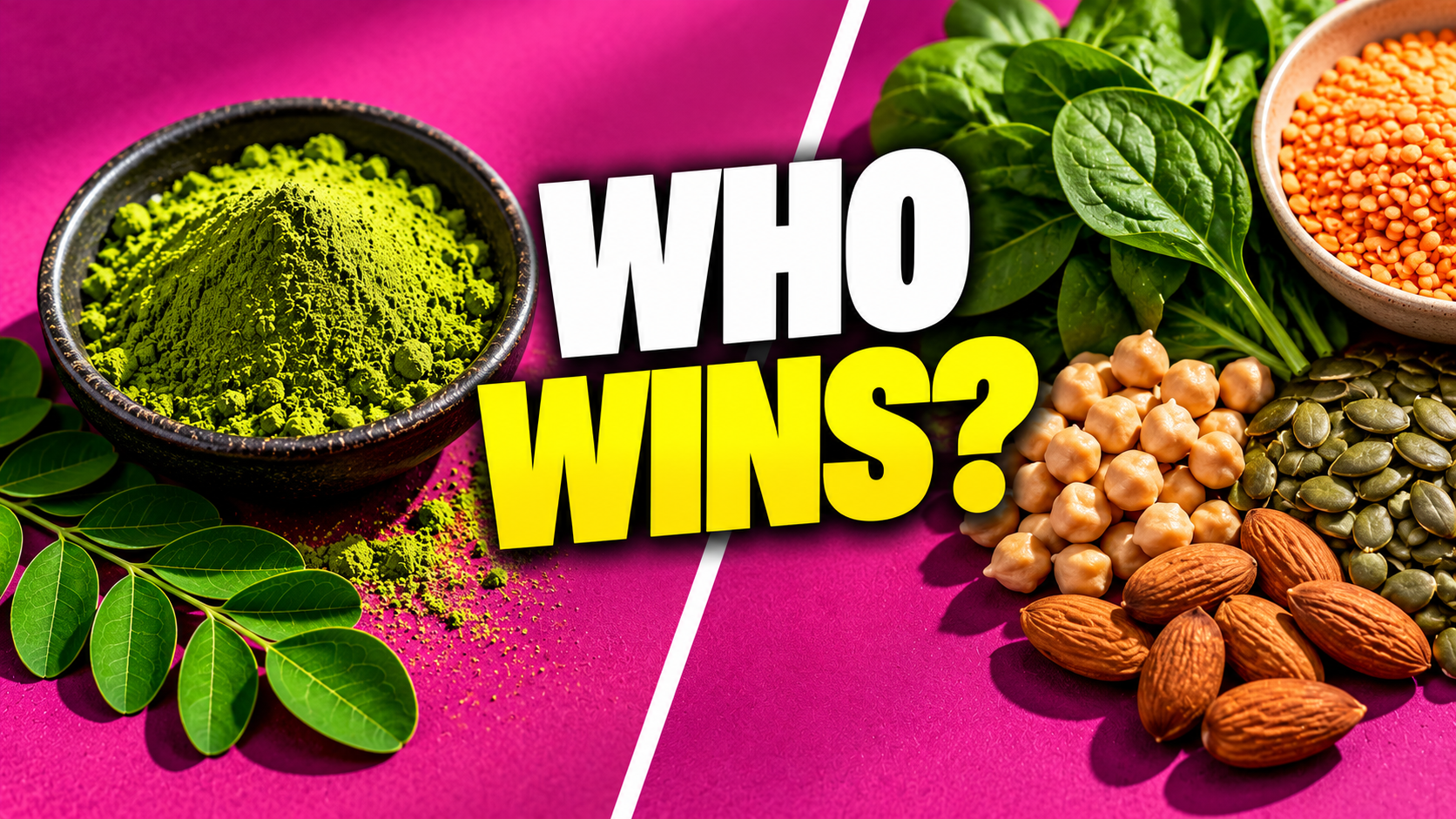
Plant-based foods provide vitamins, minerals, fibre, protein, and other nutrients that help support a balanced diet. Among these options, moringa leaf powder is popular for its concentrated plant nutrients and easy use in everyday meals. Understanding moringa powder benefits alongside the nutritional value of spinach, leafy greens, legumes, seeds, and other plant foods can help you make informed food choices.
Moringa powder is not automatically better than other plant-based foods. Its nutritional value depends on the amount consumed, the product quality, and the rest of your diet. Here is how it compares with common plant foods and how you can include it in a balanced eating routine.
What Is Moringa Powder?
Moringa powder is usually made by drying and grinding the leaves of the moringa tree (Moringa oleifera). It is used as an ingredient in smoothies, soups, dals, chutneys, and other recipes.
Moringa leaves contain plant-based nutrients, including certain vitamins, minerals, fibre, and naturally occurring antioxidant compounds. However, the nutrient content can vary depending on growing conditions, processing, storage, and serving size.
Unlike fresh vegetables, moringa powder is a concentrated, dried ingredient. This means a small quantity can add flavour and nutrients to a meal, but it does not replace the variety of foods needed for a balanced diet.
Moringa Powder vs Other Plant-Based Foods
Different plant foods provide different nutrients. Comparing them helps explain where moringa powder may fit into your diet.
1. Moringa Powder vs Spinach
Spinach is a widely available leafy vegetable that provides folate, vitamin K, carotenoids, and other nutrients. It can be eaten cooked or raw, depending on the recipe.
Moringa leaf powder also provides plant nutrients and can be convenient when fresh leafy vegetables are unavailable. However, the nutrient content of a spoonful of powder should not be directly compared with a large serving of fresh spinach without considering serving weight and preparation.
Which is better? Neither is universally better. Spinach provides variety, volume, and flexibility in meals, while moringa powder offers a convenient way to add a small amount of dried leafy greens to foods.
2. Moringa Powder vs Legumes
Lentils, chickpeas, beans, and peas are important sources of plant protein, fibre, and minerals. In Indian diets, foods such as dal, rajma, chana, and moong can contribute substantially to daily protein intake.
Moringa powder contains some protein, but people generally consume it in much smaller quantities than legumes. Therefore, it should not be treated as a primary protein source.
Which is better? Legumes are more useful as a main source of protein and fibre in everyday meals. Moringa powder can complement them as an additional plant ingredient.
3. Moringa Powder vs Nuts and Seeds
Nuts and seeds, including almonds, walnuts, chia seeds, flaxseeds, and pumpkin seeds, provide varying amounts of protein, healthy fats, fibre, and minerals.
Moringa powder differs because it is a dried leafy ingredient rather than a concentrated source of fats. It may complement nuts and seeds, but it does not provide the same nutritional profile.
Which is better? Nuts and seeds are useful for healthy fats and energy, while moringa powder adds leafy plant nutrients. Including a variety of these foods can offer a broader range of nutrients.
4. Moringa Powder vs Whole Fruits
Fruits such as oranges, guavas, bananas, apples, and papayas provide different vitamins, minerals, fibre, and naturally occurring carbohydrates. Whole fruits also contribute water and can help add variety to daily meals.
Moringa powder should not replace fruit. Its nutritional profile and typical serving size are different, and it does not offer the same combination of water, texture, and fruit-specific nutrients.
Which is better? Both can have a place in a balanced diet. Whole fruits are valuable everyday foods, while moringa powder is an optional ingredient that can be added to selected recipes.
5. Moringa Powder vs Whole Grains
Whole grains such as oats, brown rice, whole-wheat atta, and millets provide carbohydrates for energy, along with fibre and varying amounts of protein and minerals.
Moringa powder does not replace the energy and fibre contribution of a normal serving of whole grains. Instead, it can be added to suitable grain-based dishes.
Which is better? Whole grains help form the foundation of many meals. Moringa powder can be an additional ingredient, not a substitute for staple foods.
What Makes Moringa Powder Different?
Moringa powder stands out mainly because it is a dried leafy plant ingredient that can be used in small quantities. Its potential advantages include:
-
Convenience: It is easy to mix into selected foods and drinks.
-
Plant-based nutrients: It contributes certain vitamins, minerals, and naturally occurring plant compounds.
-
Versatile use: It can be added to savoury dishes, smoothies, and other recipes.
-
Storage convenience: Properly stored powder can be easier to keep on hand than fresh leaves.
These features can make moringa powder useful for some people. However, they do not mean it is more nutritious overall than vegetables, fruits, legumes, nuts, seeds, or whole grains.
Potential Moringa Powder Benefits
Supports Dietary Variety
Eating a variety of plant foods helps provide a broader range of nutrients. Moringa powder can add another leafy ingredient to meals, especially when used alongside familiar vegetables and legumes.
Provides Plant Compounds
Moringa leaves contain naturally occurring antioxidant compounds. These compounds are studied for their biological activity, but laboratory findings do not automatically prove that eating moringa powder prevents disease or improves health outcomes in humans.
Offers a Convenient Way to Add Leafy Greens
Some people find powders easier to incorporate into their routine than fresh leaves. Adding a small amount to dal, soup, or a savoury preparation may help diversify meals.
Fits Into Different Eating Patterns
Moringa powder is plant-derived and can fit into many vegetarian and vegan eating patterns. Its suitability still depends on the product ingredients, individual dietary needs, and how it is used.
Important: Research into specific health benefits of moringa is still developing. Evidence from human studies is limited for many commonly promoted claims. Moringa powder should not be considered a treatment for diabetes, high blood pressure, anaemia, or any other medical condition.
How to Add Moringa Powder to Everyday Meals?
Moringa powder can be included in many Indian and international recipes without changing your whole diet.
Here are some simple ideas:
-
Dal: Stir a small amount into dal near the end of cooking.
-
Vegetable soup: Mix it into soup with other vegetables.
-
Smoothies: Combine it with fruit, yoghurt or a suitable plant-based alternative.
-
Chutney: Add a little to a homemade chutney and adjust the flavour to your preference.
-
Savoury dishes: Try it in selected vegetable preparations or grain-based recipes.
Follow the product label for serving guidance. More powder does not necessarily mean greater benefits, and the taste can become strong when too much is added.
Is Moringa Powder Better Than Other Superfoods?
The term “superfood” is often used in marketing, but it is not a guarantee that a food provides every nutrient your body needs or has proven health effects.
Moringa powder, spinach, lentils, nuts, seeds, berries, and whole grains each offer different nutritional qualities. Their value depends on how much you eat, what else is in your diet, and your individual nutritional requirements.
For example, someone who needs more dietary protein may benefit more from including lentils, beans, tofu, or other protein-rich foods than from relying on a small serving of moringa powder. Someone looking for more dietary variety may choose to use moringa powder alongside several other vegetables.
The most useful approach is to think of moringa powder as one optional part of a varied diet, rather than a replacement for other nutritious foods.
Safety and Precautions
Moringa powder is a food ingredient, but some precautions are important:
-
Choose a reliable product: Look for clear ingredient information, appropriate quality testing, and proper storage instructions.
-
Follow the label: Avoid assuming that a larger quantity is more effective.
-
Check medication interactions: If you take medicines, particularly for blood sugar or blood pressure, consult a healthcare professional before using moringa powder regularly as a supplement.
-
Seek advice during pregnancy or breastfeeding: Safety can depend on the specific moringa preparation. Consult a qualified healthcare professional before use, and avoid assuming that all parts or preparations of the plant are interchangeable.
-
Consider existing health conditions: Speak with a healthcare professional if you have a chronic condition, food allergy, or a medically prescribed diet.
-
Stop if you experience a reaction: Discontinue use and seek medical advice if you develop concerning symptoms after consuming it.
Moringa powder should complement, not replace, medical care or a varied diet.
Conclusion
Moringa powder offers a convenient way to add a dried leafy plant ingredient to everyday meals. However, spinach, legumes, nuts, seeds, fruits, and whole grains each provide different nutritional benefits that moringa powder cannot fully replace.
Rather than choosing one food as the best, focus on dietary variety, appropriate portions, and balanced meals. If you decide to include moringa powder, use it as one part of your routine and choose products from a trusted Ayurvedic wellness brand.
Frequently Asked Questions
1. Is moringa powder more nutritious than spinach?
Not necessarily. Both provide plant nutrients, but their nutritional profiles, serving sizes, and preparation methods differ. Including different leafy vegetables can help improve dietary variety.
2. Can moringa powder replace vegetables?
No. Moringa powder can complement your meals, but it should not replace a variety of fresh or cooked vegetables, which provide different nutrients, water, and food volume.
3. Is moringa powder a good source of protein?
Moringa powder contains some plant protein, but the usual serving is small. Lentils, beans, chickpeas, tofu, and other protein-rich foods are generally more practical choices for meeting protein needs.
4. Can I take moringa powder every day?
Some adults may choose to include it regularly as a food ingredient. Follow the product label and seek professional advice if you take medication, have a medical condition, or are pregnant or breastfeeding.
5. What is the best way to use moringa powder?
You can add a small amount to dal, soups, smoothies, chutneys, or selected vegetable dishes. Start with the product's serving guidance and use it alongside a varied diet rather than as a replacement for other plant foods.














Comments (0)