

Turn Your Backyard Into a Welcoming Retreat With Elegant Paver Patios
Planning paver patio installation in Fort Worth requires more than selecting a color or pattern.

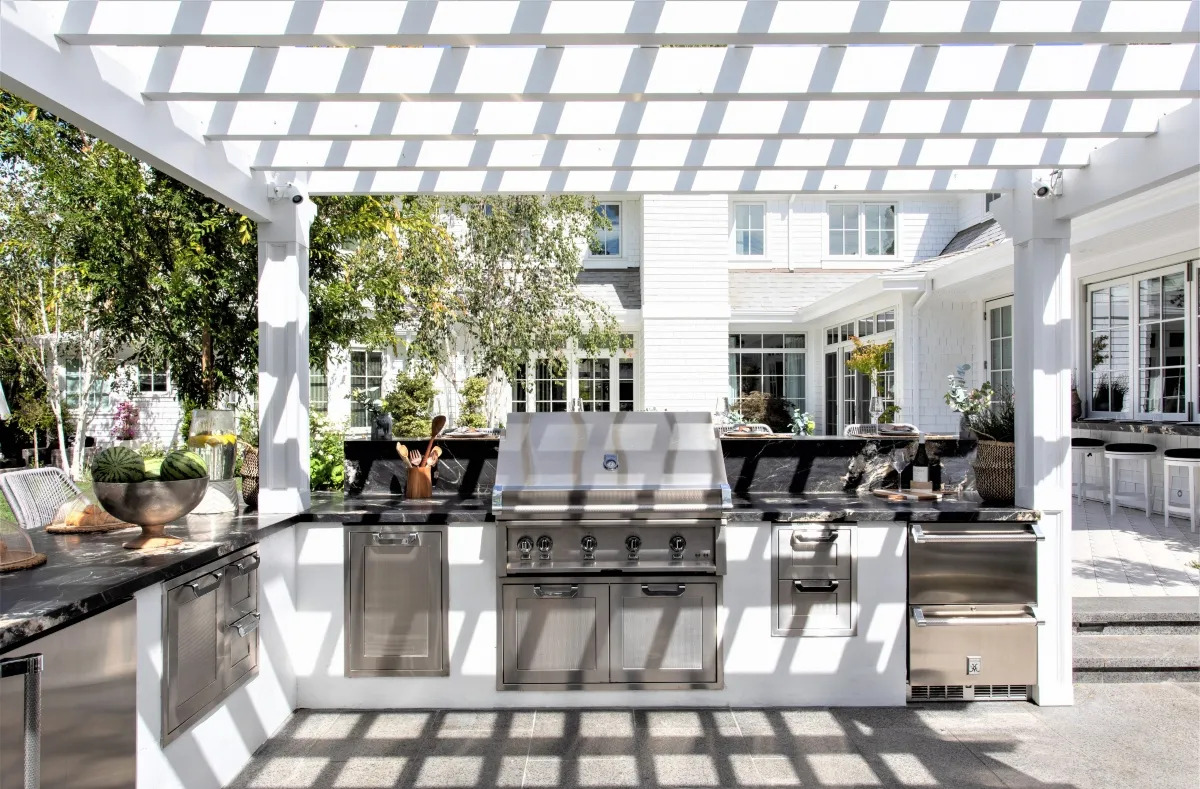
A beautiful backyard can make everyday life more enjoyable. Whether you want a peaceful spot for morning coffee, a comfortable area for family dinners, or an inviting place to entertain friends, a thoughtfully designed patio can bring new life to your outdoor space. With suitable materials and careful planning, you can create an area that looks attractive and serves your needs throughout the year.
Planning paver patio installation in Fort Worth requires more than selecting a color or pattern. Homeowners should consider the available space, ground conditions, drainage, and how the patio will connect with the rest of the property. These decisions help create a comfortable outdoor area that fits the home and remains practical over time.
Why Paver Patios Are a Great Addition to Your Home
Paver patios provide a defined surface for outdoor activities. They can support dining furniture, lounge chairs, grills, and decorative features while making a backyard feel more organized. A patio can also create a natural transition between the home and the garden.
One of the main advantages of pavers is their variety. Concrete pavers come in many colors, shapes, and finishes. Brick pavers offer a traditional appearance, while natural stone provides distinctive textures and patterns. This range allows homeowners to choose a design that suits their personal taste and the style of their property.
Pavers may also make certain repairs easier. If one becomes damaged, it can often be removed and replaced without rebuilding the entire patio. The repair process depends on the installation method and the condition of the surrounding surface.
A well planned patio can improve the everyday use of a backyard without requiring a major change to the entire landscape.
Planning a Patio That Fits Your Lifestyle
Decide How You Want to Use the Space
Before choosing materials, consider the activities you want your patio to support. A small seating area may be enough for quiet relaxation, while a larger patio may be better for outdoor dining and gatherings.
Think about the furniture you plan to use and allow enough room for people to move comfortably. Tables, chairs, grills, and planters all take up space. A layout that looks attractive on paper may feel crowded if these details are overlooked.
Consider access as well. The patio should connect naturally with doors, walkways, and the yard. Clear routes make it easier to carry food outside, move furniture, and welcome guests.
Choose a Design That Complements Your Home
A patio should look like a natural part of the property. Consider the colors of the home's exterior, existing landscaping, and nearby outdoor features before selecting pavers.
Neutral shades can create a timeless appearance, while contrasting borders can add detail. A simple paving pattern may suit a modern home, whereas a traditional pattern can complement a more classic design.
Think about shade and sunlight during the planning stage. Fort Worth summers can be hot, so an area with a pergola, umbrella, or natural shade may be more comfortable for afternoon use. Planning these features early can help you make better decisions about the patio's size and position.
Selecting Pavers for Durability and Style
The materials you choose influence the appearance, maintenance, and cost of your patio. Because outdoor surfaces face sunlight, rain, and changing ground conditions, it is important to select pavers that suit the property.
Concrete pavers are available in many styles and can work with different budgets. Brick pavers provide a familiar, traditional look. Natural stone offers unique variations, although the cost and care requirements depend on the stone selected.
When comparing pavers, consider these five factors:
-
Strength and durability: Choose materials intended for outdoor use and suitable for the expected foot traffic.
-
Surface texture: Consider grip and comfort, particularly in areas that may become wet.
-
Color and pattern: Select a design that complements the house and garden.
-
Maintenance requirements: Ask how the material should be cleaned and whether sealing is recommended.
-
Overall project cost: Include materials, labor, ground preparation, edging, and finishing work.
It can be helpful to view samples outside before making a final choice. Natural light can change how colors appear, and seeing samples beside the house can help you decide which option looks best.
Why Proper Patio Installation Matters
Preparing a Strong Base
The visible pavers are only one part of the patio. The base underneath supports the surface and helps prevent movement. If the ground is not prepared properly, the patio may develop uneven areas, loose pavers, or sections that settle over time.
Installation usually begins with marking the area and removing the necessary soil. The ground is prepared, a suitable base material is added, and the material is compacted. A bedding layer is then prepared to support the pavers during placement.
The correct base depth and preparation method depend on the soil, site conditions, paver type, and intended use. Edge restraints and properly filled joints also help maintain the finished surface.
Careful preparation can reduce the risk of problems that may be difficult and expensive to correct later. A patio should be built for reliable everyday use, not simply for an attractive appearance on completion day.
Managing Rainwater and Drainage
Drainage is an important part of any outdoor paving project. Rainwater should move away from the home's foundation instead of collecting against walls or in low areas of the patio.
The design should account for the yard's existing slope, roof downspouts, planting beds, and nearby structures. A suitable slope helps direct water away from the house while keeping the surface comfortable for walking and placing furniture.
Poor drainage can contribute to standing water, soil erosion, and movement beneath the pavers. If the property already has water management issues, those concerns should be addressed before construction begins.
Finding the Right Hardscape Contractor
Hardscape work includes outdoor features made from materials such as pavers, brick, stone, and concrete. These projects may involve patios, walkways, steps, retaining walls, and other features that improve the use of outdoor spaces.
When looking for a hardscape contractor in Colleyville TX, consider the contractor's experience, communication, and approach to planning. A suitable professional should be able to explain material choices, site preparation, drainage needs, and the expected construction process in clear language.
Before making a decision, review examples of completed projects and request a written estimate. The estimate should explain the work included, the materials being used, and the expected costs. It is also worth discussing the schedule, warranty terms, and how unexpected site conditions may affect the project.
Ask questions before construction begins. Understanding what is included in the agreement can help you compare proposals fairly and avoid confusion about the final result.
Adding Features to Complete Your Outdoor Space
A patio can serve as the foundation for a larger outdoor living area. Additional hardscape features can improve access, create useful sections, and make the backyard feel more connected.
Walkways can link the patio with the garden, driveway, or side entrance. Retaining walls may help manage sloped areas and provide space for planting. Steps can make changes in ground level easier to navigate, while built in seating can provide extra places to relax.
Homeowners who enjoy outdoor cooking may also consider a grilling station or outdoor kitchen. Pergolas can provide shade, and suitable lighting can improve visibility around paths and seating areas after sunset.
Plan these features together whenever possible. A coordinated design helps ensure there is enough room for furniture and movement while keeping the materials and overall appearance consistent.
Maintaining Your Paver Patio
Regular maintenance helps protect the appearance and usefulness of your patio. Sweep away leaves, dirt, and debris before they build up. Clean spills with products suitable for the paving material, and avoid harsh cleaning methods unless they are recommended.
Inspect the surface periodically for loose pavers, damaged joints, and places where water collects. Weeds can grow between pavers if joint material becomes displaced, so maintain these areas according to the installation recommendations.
If pavers begin to shift or settle, identify the underlying cause before attempting repairs. The problem may involve the base or drainage rather than the visible surface.
Sealing may be helpful for some materials, but it is not necessary for every patio. Ask the installer whether a suitable sealer is recommended and follow the product instructions.
Conclusion
A well designed patio can transform an ordinary backyard into a comfortable place for relaxation, outdoor dining, and gatherings. Choosing appropriate materials, planning a practical layout, preparing the ground properly, and managing drainage all contribute to a successful result.
Whether you are planning paver patio installation in Fort Worth or exploring other ways to improve your outdoor living area, focus on the features that best suit your property and lifestyle. RP Landscape can be considered when exploring hardscape and outdoor living solutions for a more useful and attractive backyard. With thoughtful planning, quality materials, and regular care, your patio can remain a welcoming part of your home for years to come.















Comments (0)