

Price to Install Sod: How to Choose Quality Grass Without Overspending
Before starting, it is important to understand the price to install sod and what affects the total cost.

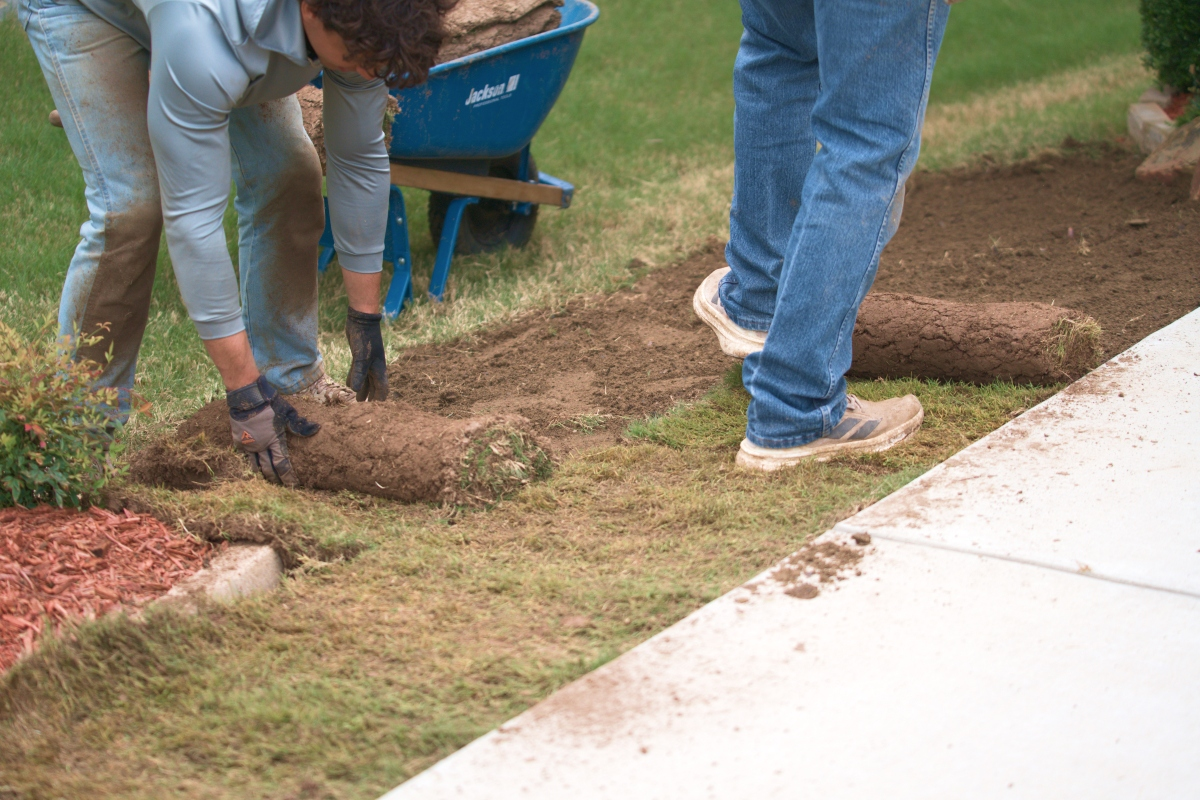
A beautiful lawn can improve your home's appearance, create a welcoming outdoor space, and give your family a place to relax. If your yard has bare patches, damaged grass, or uneven growth, installing fresh sod can be a practical way to achieve a greener lawn in less time than growing grass from seed.
Before starting, it is important to understand the price to install sod and what affects the total cost. Choosing the right grass, preparing the soil, and hiring a reliable professional can help you get better value from your investment. Knowing what to look for also makes it easier to find the best sod installation company for your property.
What Is the Price to Install Sod?
The cost of sod installation varies according to lawn size, grass type, labor rates, and the amount of preparation required. In many parts of the United States, homeowners may pay around $1 to $3 per square foot for sod installation, including grass and labor. Some projects cost less, while others are more expensive because of difficult ground conditions or additional services.
For example, a small lawn might cost several hundred dollars, while a larger yard could require several thousand dollars. These figures are general estimates, not guaranteed prices. Local costs, delivery fees, and the condition of your property can affect the final amount.
How Lawn Size Changes Your Budget
The amount of grass needed is one of the main factors in your total cost. Larger lawns require more sod, transportation, and installation time. However, some contractors offer lower prices per square foot for larger projects because certain costs can be spread across a wider area.
Smaller projects may have minimum labor or delivery charges. This means a small lawn does not always cost proportionally less than a large one.
Measure the area before requesting an estimate. For rectangular spaces, multiply the length by the width. If your yard has an unusual shape, divide it into smaller sections and calculate each section separately.
Why You Should Request a Detailed Estimate
A clear estimate helps you understand what you are paying for. Some contractors include soil preparation, delivery, installation, and cleanup in one price. Others charge separately for these services.
Ask for a written quote that explains the work involved. Comparing estimates with similar services included will help you make a fair decision and reduce the risk of unexpected expenses.
Factors That Affect Sod Installation Costs
The final cost depends on more than the amount of grass you purchase. Your property's condition and the type of installation required can also make a difference.
Common factors include:
-
Grass variety: Different sod types have different prices and growing requirements.
-
Soil condition: Compacted or rocky ground may require additional preparation.
-
Old grass removal: Removing weeds, dead grass, and unwanted plants can increase labor costs.
-
Ground leveling: Low spots and uneven areas may need extra soil or grading.
-
Property access: Narrow entrances, steep slopes, and limited equipment access can make the work more difficult.
-
Delivery and materials: Transportation, topsoil, and soil improvements may add to the total expense.
Discuss these factors with your installer before the project begins. Understanding the reason for each charge can help you decide which services are necessary for your lawn.
How to Select the Right Sod for Your Lawn
Choosing suitable grass is essential for long term lawn health. The best option depends on sunlight, soil conditions, water availability, expected foot traffic, and the local climate.
Bermuda Grass for Sunny Areas
Bermuda grass is widely used in Texas because it grows well in warm weather and performs best in sunny locations. It can handle regular activity, making it suitable for many family lawns and open outdoor spaces.
However, Bermuda grass generally does not perform well in heavily shaded areas. If trees or buildings block sunlight for much of the day, consider whether another grass variety would be more suitable.
St. Augustine Grass for Partial Shade
St. Augustine grass is a popular choice for many warm climate lawns. It has broad blades and can create a thick, attractive surface when properly maintained. Depending on the variety and conditions, it may perform better in partial shade than Bermuda grass.
It still needs suitable watering and routine care. Check whether your yard's drainage and sunlight conditions are appropriate before making a decision.
Zoysia Grass for Dense Growth
Zoysia grass is known for its dense growth and neat appearance. Certain varieties can tolerate some shade and moderate foot traffic, making them worth considering for residential lawns.
Its growth rate and maintenance needs vary by variety and location. Discuss these details with a knowledgeable installer so you can choose grass that matches your expectations and budget.
Why Soil Preparation Matters Before Installation
Fresh sod needs good contact with the soil underneath so its roots can establish themselves. Installing grass over poorly prepared ground can lead to uneven growth, dry patches, and drainage problems.
Removing Existing Grass and Debris
Depending on your lawn's condition, preparation may involve removing old turf, weeds, stones, and other debris. Leaving unwanted vegetation in place can create an uneven surface and interfere with root development.
The amount of work required depends on the condition of the yard. A lawn with a few bare spots may need less preparation than an area covered with weeds or damaged grass.
Leveling the Ground and Improving Drainage
A properly prepared surface helps the lawn look even and reduces the risk of water collecting in low areas. Contractors may need to fill depressions, add soil, or adjust the ground's slope.
Drainage is especially important because standing water can damage grass and create muddy areas. Good preparation provides a more suitable surface for the new sod to grow.
Placing the Sod Correctly
Sod should be laid closely together, with the joints staggered to reduce visible lines. Large gaps between pieces can expose the edges to drying and make the finished lawn look uneven.
After installation, the sod needs appropriate watering to help the roots connect with the soil. Correct placement and early care are both important for successful establishment.
How to Find the Best Sod Installation Company
Finding the best sod installation company means looking beyond the lowest price. A dependable contractor should understand local growing conditions, explain the installation process, and provide a clear estimate.
Review Experience and Customer Feedback
Look for a company with experience installing sod on properties similar to yours. Recent customer reviews may help you understand the quality of its work, communication, scheduling, and response to concerns.
You can also request examples of completed projects. Photos can give you an idea of the finished results, but consider them alongside reviews and the details provided in the estimate.
Compare Services Before Choosing
A low quote may not be the best value if it excludes important preparation work or uses a grass variety that does not suit your yard. Compare the materials, labor, and services included in each estimate.
Before hiring a contractor, ask these questions:
-
Which grass type do you recommend for my property, and why?
-
Does the estimate include soil preparation and removal of old grass?
-
Are delivery, labor, and cleanup included in the quoted price?
-
What watering and maintenance schedule should I follow?
-
Do you provide a workmanship guarantee, and what does it cover?
A professional should be willing to explain the work clearly and answer reasonable questions. Avoid making a decision based only on promises of unusually fast results or a very low price.
How to Care for Sod After Installation
The work does not end when the new grass is in place. Proper care during the early weeks helps the sod develop roots and become more established.
Watering the New Lawn
Water the sod promptly after installation and keep the soil appropriately moist during the initial establishment period. The watering schedule depends on the weather, soil type, drainage, and grass variety.
Hot or windy conditions may cause the lawn to dry faster, while rainfall can reduce the need for additional water. Avoid letting the sod dry out completely, but do not keep the ground constantly saturated. Ask your installer for guidance based on your property's conditions.
Mowing and Managing Foot Traffic
Limit heavy foot traffic while the roots are developing. Walking on the lawn too early can move the sod and disturb the growing roots.
Wait until the grass feels firmly attached to the ground before mowing. Use a sharp mower blade and avoid cutting off too much grass at once. Continue with regular maintenance as the lawn becomes established.
Is Professional Sod Installation Worth the Cost?
Professional installation can be helpful if you have a large yard, uneven ground, or extensive preparation needs. Experienced installers can help select suitable grass, prepare the soil, and place the sod correctly.
Installing sod yourself may reduce labor expenses, but you must arrange delivery, handle the materials, prepare the ground, and complete the work efficiently. Consider your available time, equipment, and experience before deciding whether to do the work yourself.
Conclusion
Understanding the price to install sod helps you plan your budget, compare estimates, and select grass that suits your property. Careful soil preparation, suitable grass selection, professional installation, and consistent watering can all contribute to a healthier lawn. When searching for the best sod installation company, consider experience, transparent pricing, customer feedback, and the services included in the quote. Texas Sod Pros is an option to explore when considering professional sod installation for a greener, more attractive outdoor space.
https://www.texassodpros.com/blogs/understanding-the-average-cost-for-sod-installation













Comments (0)