

How Do Natural Ingredients Help Soothe Muscle Pain?
Learn how menthol, arnica, capsaicin, and other natural ingredients may ease muscle discomfort, how to use topical balms safely, and what to avoid.

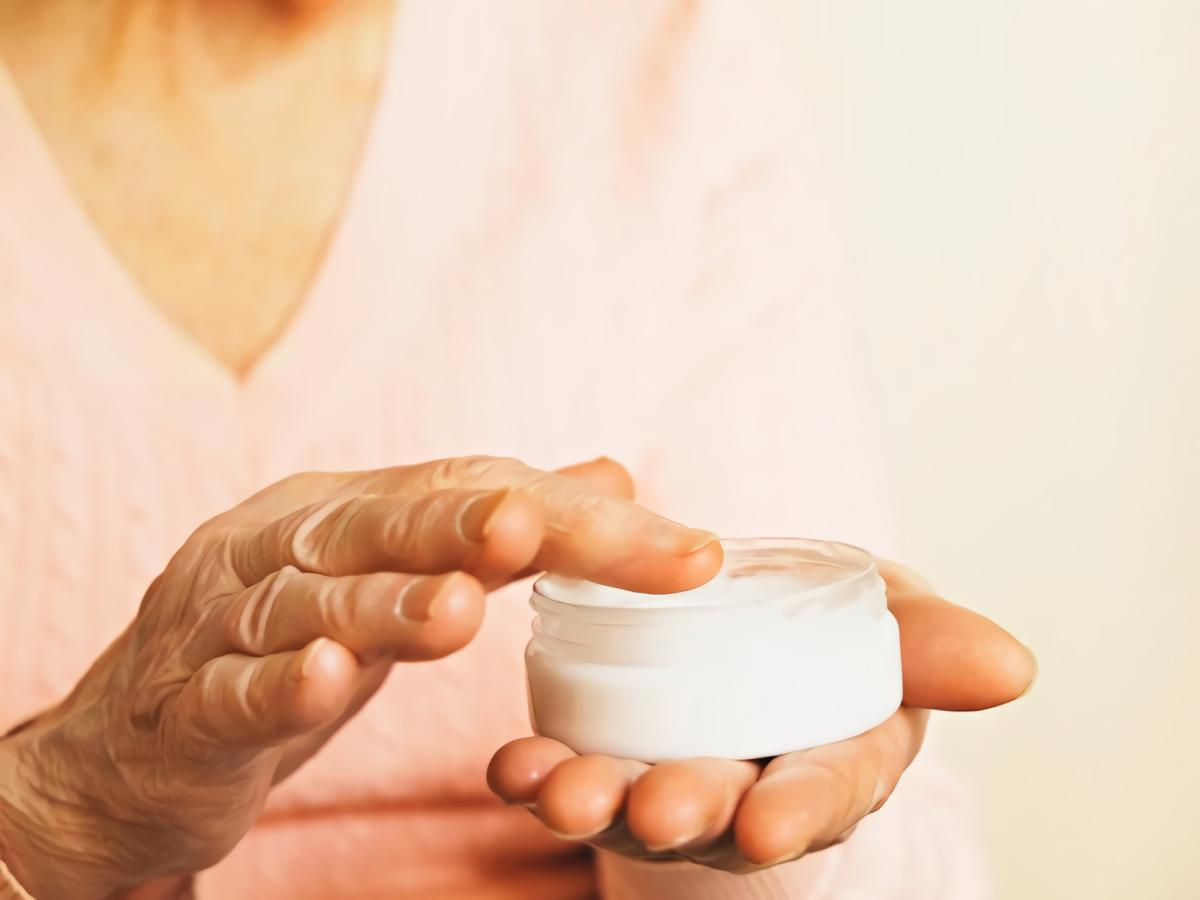
Sore muscles can make everyday activities, from climbing stairs to sitting comfortably at a desk, feel more difficult. Whether discomfort follows a workout or a long day on your feet, topical remedies may offer convenient support. A Natural Pain Relief Balm combines ingredients that can create cooling or warming sensations and help ease minor aches. Understanding how these ingredients work, what the evidence says, and how to apply them safely can help you make informed choices.
How Natural Ingredients May Help Relieve Muscle Discomfort
Natural ingredients can support temporary relief through different mechanisms. Some stimulate sensory receptors in the skin, creating cooling or warming sensations that change how discomfort is perceived. Others are traditionally used for their soothing properties, although scientific evidence varies considerably between ingredients.
The key is to understand that a topical product may help you feel more comfortable without necessarily repairing injured muscle tissue or addressing the underlying cause of pain.
Menthol: A Cooling Sensation for Sore Muscles
Menthol is a compound found naturally in peppermint oil, although the menthol used in commercial products may also be manufactured. It interacts with cold-sensitive receptors in the skin, producing a cooling sensation that can temporarily reduce the perception of minor aches.
This makes menthol a common ingredient in topical products designed for sore shoulders, tired legs, and minor back discomfort. The cooling effect may also feel refreshing after physical activity or prolonged standing.
However, the sensation of coolness does not mean the underlying muscle injury has healed. Menthol-based products primarily offer symptomatic relief, and their effectiveness depends on the formulation, concentration, and individual response.
Capsaicin: Supporting Pain Relief Through Sensory Nerves
Capsaicin is the compound responsible for the heat of chili peppers. When applied to the skin in an appropriate formulation, it activates certain sensory nerves involved in detecting heat and pain. Repeated use can reduce the activity of these pain-signaling nerves, helping decrease some types of discomfort.
Capsaicin appears in some topical products intended for muscle and joint aches. Unlike menthol, which usually produces a cooling sensation, capsaicin often creates warmth or burning.
This ingredient requires particular care. Mild warmth may occur, but excessive burning, swelling, or blistering is not a normal result to ignore. Follow the label, keep the product away from the eyes and sensitive areas, and never apply it to broken skin.
Arnica: A Traditional Herbal Ingredient
The evidence, however, is mixed. Some small studies have suggested possible benefits in particular situations, while others have found no meaningful improvement in muscle pain or tenderness compared with a placebo. Research on osteoarthritis symptoms also does not establish that every arnica preparation will work for general muscle soreness.
If you choose an arnica-based product, check whether it is intended for external use and follow its directions. Avoid applying it to broken skin, and do not assume that a plant-based ingredient is automatically safe for everyone.
Eucalyptus and Peppermint Oils: Aromatic Ingredients With Limitations
Peppermint and eucalyptus oils are popular in massage products because of their distinctive scents and refreshing sensations. Depending on the formulation, they may contribute to a pleasant massage experience and a feeling of temporary comfort.
However, evidence supporting essential oils as treatments for muscle pain is limited and varies by product. Their inclusion does not guarantee clinically meaningful pain relief.
Concentrated essential oils may irritate the skin or cause allergic reactions. A properly formulated product is generally a more practical choice than applying undiluted essential oils directly to sore muscles. Also, check the product's active ingredients: some topical pain relievers contain medicinal compounds alongside botanical oils.
What to Look for in a Pain Relief Balm
Choosing a suitable product involves more than reading the word "natural" on the label. Ingredient concentration, formulation, intended use, and safety instructions all matter.
A well-formulated Pain Relief Balm should clearly identify its ingredients and explain how to apply it. If a product contains active medicinal ingredients, read the Drug Facts label rather than relying solely on its marketing description.
Consider these factors before making a purchase:
-
Ingredient transparency: Look for a complete ingredient list and clearly identified active ingredients.
-
Intended purpose: Choose a product labeled for the type of minor discomfort you want to address.
-
Skin compatibility: Fragrance, essential oils, and herbal extracts can trigger irritation in sensitive individuals.
-
Application instructions: Check how often to apply the product and whether any activities or other topical treatments should be avoided.
-
Product quality: Buy from a reputable seller and avoid products with unclear labeling or exaggerated claims.
Remember that a product's natural origin does not establish its safety, purity, or effectiveness. A simple formula with clearly disclosed ingredients may be preferable to one that combines numerous extracts without explaining their purpose.
Comparing Common Ingredients for Muscle Comfort
Different ingredients offer different sensations and levels of supporting evidence. The table below provides a practical overview to help you compare common options.
|
Ingredient |
Typical effect or role |
Evidence and key consideration |
|---|---|---|
|
Menthol |
Cooling sensation that may temporarily reduce perceived discomfort |
Common topical analgesic; cooling does not heal an injury |
|
Capsaicin |
Activates heat-sensitive nerves and may reduce pain signaling with repeated use |
Used for certain muscle and joint aches; can cause burning |
|
Arnica |
Traditional herbal ingredient used in topical preparations |
Research is mixed; benefits are not consistently demonstrated |
|
Peppermint oil |
Cooling sensation and refreshing aroma |
Evidence for muscle-pain relief is limited; may irritate skin |
|
Eucalyptus oil |
Aromatic ingredient in some massage products |
Benefits depend on the formulation; concentrated oil can irritate skin |
|
Carrier oils and butters |
Help spread a balm and soften the skin |
Primarily support the formulation and skin feel rather than directly relieving pain |
Ingredient combinations can be useful, but more ingredients do not necessarily mean better results. For example, a balm containing menthol and capsaicin may create both cooling and warming sensations, while a botanical balm may focus more on massage and skin conditioning.
When comparing products, prioritize evidence, clear labeling, and safe use over the length of the ingredient list.
Which Types of Muscle Pain May Benefit From Topical Balms?
Topical products are generally most appropriate for minor, localized discomfort when the cause is reasonably clear. They may provide temporary relief while the body recovers, but they are not suitable for every type of pain.
Post-Workout Soreness
Delayed-onset muscle soreness often develops after unfamiliar or strenuous exercise. It commonly begins several hours after activity and may feel most noticeable over the following one to three days.
A topical balm may make the affected area feel more comfortable during this period. Gentle movement, adequate rest, hydration, and gradually increasing exercise intensity also support recovery.
If the discomfort is severe, sharply localized, or accompanied by substantial swelling or weakness, do not assume it is ordinary exercise soreness.
Stiffness After Sitting or Standing
Long periods at a desk or on your feet can leave the neck, shoulders, lower back, or legs feeling tight. A topical product may provide temporary comfort, especially when paired with gentle movement and regular breaks.
For example, someone who experiences shoulder tension after computer work might apply an appropriate balm according to its label, then take a short walking break and perform comfortable shoulder movements.
Frequent or persistent stiffness may also reflect posture, repetitive strain, or another condition that requires a more targeted approach.
Minor Strains and Everyday Aches
Some over-the-counter topical analgesics are labeled for minor muscle strains, backaches, bruises, and sprains. Whether a particular product is appropriate depends on its ingredients and directions.
A suspected strain should not be treated as a simple ache if pain is intense, movement is significantly restricted, or swelling develops rapidly. In such cases, medical assessment may be necessary.
How to Use a Topical Balm Safely and Effectively
Even a product made with familiar botanical ingredients can cause unwanted effects if it is used incorrectly. Good application habits help reduce avoidable risks.
Apply a Small Amount First
Read the instructions and apply only the recommended amount to the intended area. If you have sensitive skin, check the product guidance about testing a small area first. Do not use a product that causes a rash, persistent irritation, or unusual discomfort.
Avoid cuts, abrasions, infected areas, and skin affected by a rash. Never apply a topical balm to the eyes, mouth, or other sensitive areas.
Avoid Excess Heat and Tight Coverings
Some topical pain relievers can cause burns when combined with heating pads, hot-water bottles, electric blankets, or tight bandages. Do not assume that adding heat will make a balm more effective.
This is especially important for products containing menthol, capsaicin, or methyl salicylate. Follow the exact product warnings and avoid combining topical treatments unless a healthcare professional advises you to do so.
Wash Your Hands After Application
Wash your hands thoroughly after applying a topical product unless the label gives different instructions. This prevents accidental transfer to the eyes, nose, mouth, or other sensitive skin.
Keep the product away from children and pets, and store it according to the manufacturer's instructions. If you accidentally swallow a topical pain reliever, contact Poison Control in the United States at 1-800-222-1222 for guidance.
Check for Medication Interactions and Allergies
Certain ingredients require additional caution. For example, methyl salicylate is related to salicylates, so people with aspirin sensitivity or those taking medications that affect bleeding should consult a pharmacist or clinician before using products containing it.
Ask a healthcare professional about appropriate use during pregnancy or breastfeeding, for children, or if you have an ongoing medical condition. If a balm causes severe burning, blistering, or significant swelling, stop using it and seek medical advice.
Natural Balms Work Best Alongside Healthy Recovery Habits
A topical product can be one part of a broader approach to muscle comfort. Combining appropriate symptom relief with sensible recovery practices may be more useful than relying on a balm alone.
After a workout, consider gentle movement and adequate rest rather than immediately repeating an intense session. For routine stiffness, take regular movement breaks, adjust your workstation, and use comfortable stretching when appropriate.
Sleep and balanced nutrition also support normal recovery. Drinking enough fluids is sensible, particularly after sweating, although hydration alone is not a guaranteed remedy for muscle pain.
If discomfort follows an acute injury, a wrapped cold pack may help with pain and swelling during the initial period. Avoid placing ice directly on the skin, and stop any activity that increases pain. The appropriate approach depends on the type and severity of the injury.
Most importantly, do not use temporary relief to push through pain that is worsening or interfering with normal movement. A balm can reduce discomfort without correcting the cause.
When Should You Seek Medical Advice for Muscle Pain?
Although many minor aches improve with time and self-care, certain symptoms deserve professional attention. A topical product should not delay treatment when pain may signal a more serious problem.
Seek prompt medical evaluation if you experience severe or worsening pain, significant swelling, unexplained weakness, numbness, or difficulty moving the affected area. Sudden muscle pain accompanied by chest discomfort or trouble breathing requires emergency care.
After intense exercise, severe muscle pain with marked weakness or dark, tea-colored urine can indicate rhabdomyolysis, a potentially serious condition involving muscle breakdown. Seek immediate medical attention if these symptoms occur.
You should also consult a healthcare professional if minor discomfort persists beyond the period specified on the product label, repeatedly returns, or does not improve with appropriate self-care. Identifying the underlying cause is more important than repeatedly masking the symptoms.
Conclusion
Natural ingredients can offer a practical way to manage some minor muscle aches, particularly when they create cooling or warming sensations that temporarily change how discomfort feels. Menthol, capsaicin, arnica, and essential oils each have different properties, but their effectiveness and safety depend on the formulation and the individual using them.
When choosing a topical product, look beyond natural branding and evaluate the ingredient list, available evidence, and application instructions. Combine appropriate topical care with rest, gentle movement, and sensible recovery habits. Most importantly, recognize when pain requires medical assessment. A well-informed approach helps you use natural remedies as a supportive part of everyday wellness rather than a substitute for necessary treatment.
Frequently Asked Questions
1. Which natural ingredient is best for soothing sore muscles?
There is no single best ingredient for everyone. Menthol provides a cooling sensation, while capsaicin can help reduce certain types of pain signaling. Arnica is another popular option, but research on its effectiveness for muscle soreness is mixed. Your choice should depend on the type of discomfort, ingredient tolerance, and product directions.
2. Can I use a natural balm every day?
That depends on the formulation and its active ingredients. Follow the label's recommended frequency and duration, and do not continue using a product that causes irritation. If you need daily pain relief for an ongoing problem, consult a healthcare professional to identify the cause and discuss suitable options.
3. How long does it take for a topical muscle balm to work?
The onset varies by ingredient, concentration, and product formulation. Some menthol-based products produce a cooling sensation shortly after application, while capsaicin may require repeated use for certain types of pain relief. Follow the product directions rather than applying additional amounts to speed up the effect.
4. Are natural pain relief products safer than conventional alternatives?
Not necessarily. Natural ingredients can cause allergies, skin irritation, or other adverse effects. Some herbal products also have limited evidence supporting their benefits. Conventional and botanical topical products should both be evaluated according to their ingredients, safety information, and intended use.
5. Can I apply a natural balm before or after exercise?
Some products may be suitable for use around exercise, but timing depends on the formulation. Capsaicin and certain other topical analgesics can interact poorly with heat, sweating, or vigorous activity. Check the label carefully, avoid combining the product with heating devices, and do not use it to mask pain that could indicate an injury.













Comments (0)