The Most Common Dog Walking Gear Mistakes Owners Make
Avoid common dog walking gear mistakes with simple tips for safer, more comfortable walks and better everyday dog care.
 yourpetmall
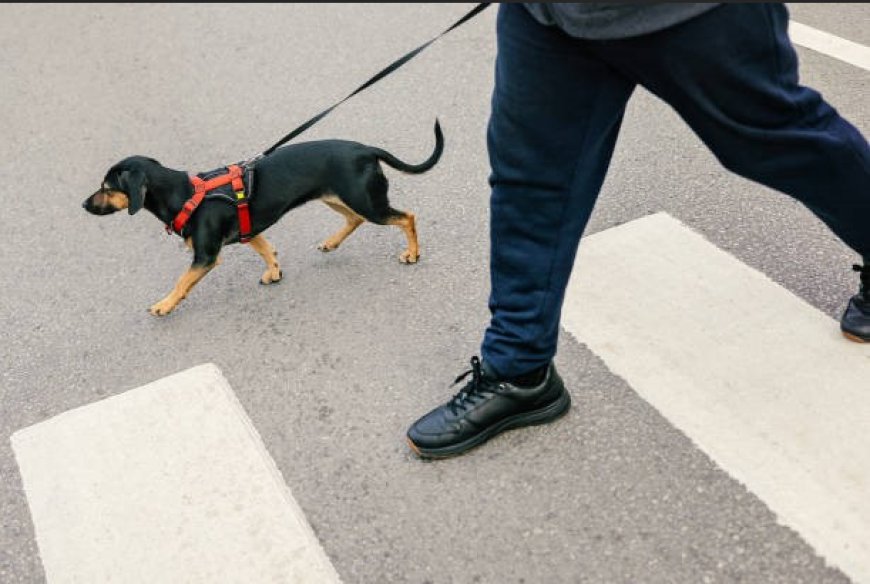
A daily walk may seem simple, but the gear you choose can shape the entire experience. Something that looks practical in the store may feel uncomfortable, restrict movement, or make it harder to manage your dog outdoors.
Many problems also develop gradually, which means owners may not immediately connect pulling, hesitation, rubbing, or poor control with their dog walking gear. Recognizing where these choices go wrong can help make everyday walks safer, smoother, and more comfortable for both you and your dog.
Key Takeaways
-
Choose comfort and safety before style.
-
Measure your dog before buying walking gear.
-
Check clips, straps, and stitching often.
-
Match gear to weather and walking surfaces.
-
Use dog-safe rewards during training.
-
Remove and clean gear after walks.
7 Common Dog Walking Gear Mistakes Owners Make
-
Choosing Gear Based Only on Looks
Some owners choose walking gear because it looks cute, colorful, or stylish. While appearance is fine, it should never be the main reason for buying a leash, harness, or collar. Your dog’s comfort and safety matter more.
Common things to check include:
-
Proper size and fit
-
Strong clips and buckles
-
Comfortable material
-
Safe leash attachment
-
Freedom of movement
-
Weather suitability
Pet clothes can also be useful in cold or rainy weather, but they should not block the harness, restrict movement, or cause overheating.
-
Using The Wrong Size Harness or Collar
Poor fit is one of the most common mistakes in dog walking gear. A loose harness can twist, slide, or allow your dog to escape. A tight harness can rub the skin, press under the arms, or make walking uncomfortable.
Before buying walking gear, remember to:
-
Measure your dog’s chest girth
-
Measure the neck area
-
Check the brand’s size chart
-
Avoid choosing by breed or weight only
-
Recheck the fit as your dog grows or changes weight
This is especially important for puppies, senior dogs, and dogs with deep chests or unusual body shapes.
-
Relying on Gear Instead of Training
Good dog walking gear can help you control your dog, but it cannot replace training. A no-pull harness or strong leash may make pulling easier to manage, but your dog still needs to learn calm walking habits.
Helpful leash training habits include:
-
Rewarding your dog for walking calmly
-
Stopping when your dog pulls
-
Practicing in quiet areas first
-
Keeping training walks short
-
Creating distance from triggers
-
Using dog-safe treats as rewards
Small, consistent practice usually works better than long, stressful walks.
-
Picking The Wrong Leash Length
Leash length affects both freedom and control. A leash that is too short can create constant tension. A leash that is too long can make it hard to guide your dog safely near roads, people, bikes, or other animals.
Leash mistakes to avoid include:
-
Using a very long leash in busy areas
-
Letting your dog walk far ahead near roads
-
Using damaged leash clips
-
Allowing the leash to drag
-
Using retractable leashes without control
Retractable leashes may be better for open spaces, but they can be risky in crowded or high-traffic areas.
-
Ignoring Hardware Quality
Clips, buckles, rings, and stitching are small details, but they are very important. Weak hardware can break when a dog pulls suddenly or reacts to a distraction.
Before each walk, quickly check your dog walking gear for signs of wear. This simple habit can prevent escapes and accidents.
Look for:
-
Frayed leash material
-
Cracked plastic buckles
-
Bent metal clips
-
Rusted rings
-
Loose stitching
-
Weak harness straps
-
Damaged collar holes
Strong pullers and active dogs need durable hardware because they put more pressure on walking gear.
-
Not Considering Weather and Walking Surface
Walking gear should match the weather and the surface your dog walks on. Hot pavement, rain, mud, ice, snow, and rough trails can all affect comfort and safety.
In warm weather, lightweight and breathable gear is best. Heavy harnesses can trap heat and make your dog uncomfortable. In cold or wet weather, water-resistant gear and warm pet clothes may help some dogs.
Think about:
-
Hot pavement in summer
-
Slippery sidewalks in the rain
-
Ice and road salt in winter
-
Rough rocks on trails
-
Muddy parks
-
Low-light walking conditions
If your dog often walks on harsh surfaces, paw protection may also be useful.
-
Forgetting Visibility During Walks
Many owners walk early in the morning or late in the evening without using visible gear. This can be risky, especially near roads, parking areas, or bike paths.
Visibility should be part of your basic dog essentials if you often walk in low light. Visibility should be part of your basic dog essentials if you often walk in low light. Adding reflective or light-up dog walking gear can make evening and early-morning walks safer for both you and your dog.
Useful visibility items include:
-
Reflective leashes
-
Bright harnesses
-
LED collars
-
Clip-on lights
-
Reflective jackets
-
Light-colored walking gear
These items help drivers, cyclists, and other walkers see your dog more easily.
Conclusion
Choosing the right dog walking gear helps make daily walks safer, smoother, and more enjoyable for you and your dog. Small choices, like checking fit, choosing strong materials, matching gear to the weather, and using safe rewards, can make a big difference in comfort and control. Walking gear should support your dog’s natural movement while helping you stay prepared for different outdoor situations.
When you regularly inspect, clean, and adjust your dog’s gear, you reduce risks and build a better routine. A thoughtful setup gives both you and your dog more confidence every time you step outside.
FAQs
How can I make walks more mentally enriching for my dog?
Let your dog sniff during parts of the walk. Sniffing gives dogs mental stimulation and helps them feel more satisfied after walking. You can also change routes occasionally to keep walks interesting.
What should I do if my dog gets overexcited before walks?
Pause before leaving the house and wait for calmer behavior. Put the leash on only when your dog is settled. This helps your dog learn that calm behavior starts the walk.
Is it better to walk my dog before or after meals?
It is usually best to avoid strenuous exercise immediately after meals, especially for large or deep-chested dogs. A calm walk before eating or a gentle walk after enough rest may be safer.
What should I carry on a dog walk?
Carry waste bags, water, treats, your phone, and a collapsible bowl. Small pieces of beef dog food can also work as training rewards.
Is leash chewing okay?
No. Leash chewing can damage the leash and make walks less safe. Offer dog-safe chew options instead of items like cat chew toys.