

Lab-Grown or Natural? Choosing the Right Stone for Your 2 CT Wedding Ring

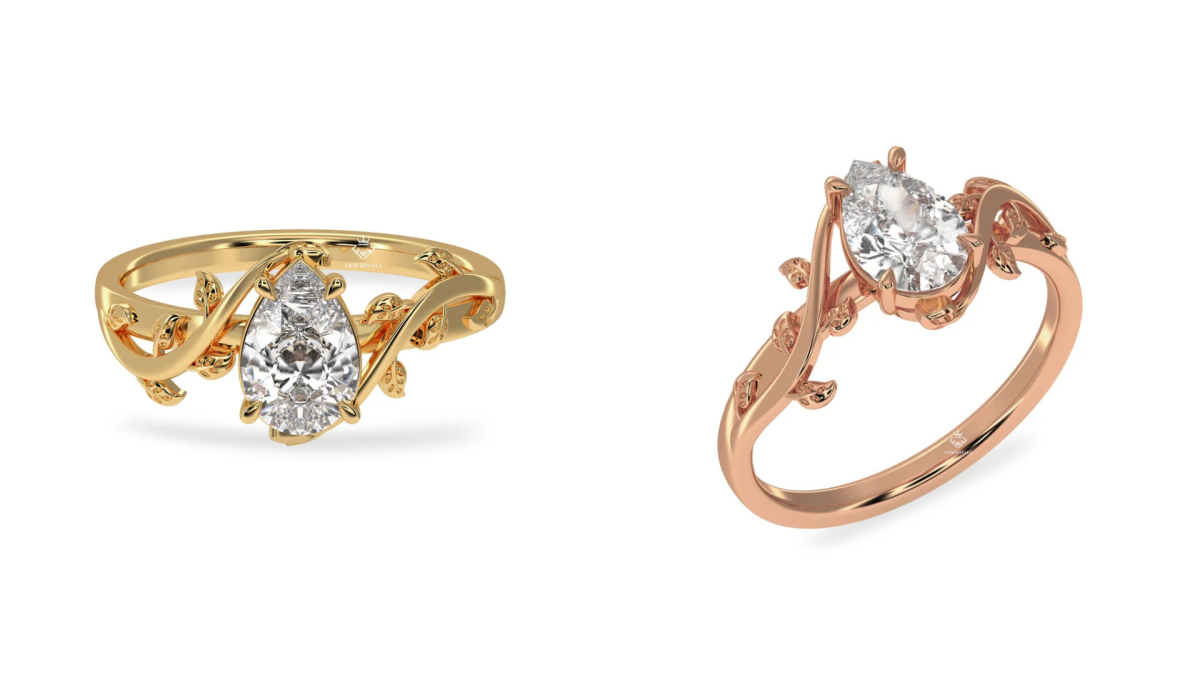
You’ve picked a shape, had the budget conversation (probably twice), and now one question is stalling everything: lab-grown or natural? If you’re shopping for a 2 ct wedding ring, the answer can swing the price by thousands and change how the purchase feels for years. The same few questions come up again and again, and the right choice rarely depends on the stone alone. It depends on what matters most to you. This guide covers the science, the 4Cs, the styles and the trade-offs.
Two Diamonds, One Material
Here’s the part that surprises people: a lab-grown diamond is a real diamond. Both types are crystallized carbon, with the same atomic structure, the same hardness (10 on the Mohs scale) and the same way of bending and returning light. Under a jeweler’s loupe, you generally can’t tell them apart. Telling them apart takes specialized equipment.
The difference is origin. A natural diamond formed deep in the Earth over a vast stretch of time, often more than a billion years, and was brought to the surface by volcanic activity. A lab-grown diamond (also called lab-created) is grown in a controlled environment in weeks rather than eons.
How Each Stone Comes to Life
Lab-grown stones are made mainly by two methods. HPHT (high pressure, high temperature) mimics the conditions of the Earth’s mantle. CVD (chemical vapor deposition) builds the crystal layer by layer from a carbon-rich gas. Both yield gem-quality diamonds.
Natural stones are mined, then cut and polished like any other diamond. Neither path guarantees quality. A badly cut stone is a badly cut stone, whatever its origin.
Reading a 2-Carat Stone Like a Pro
Two carats is a weight, not a size. A well-cut round of that weight typically measures around 8 mm across, but an oval or pear can look larger face-up because its weight is spread over more surface. Here’s how to evaluate the rest:
- Cut: The biggest driver of sparkle. A stone with ideal proportions flashes light back at you, and a shallow or deep one looks dull no matter how clean or white it is.
- Color: Graded from D (colorless) to Z. Many buyers find the near-colorless range (roughly G to I) looks white once set.
- Clarity: Measures inclusions. At this size, “eye-clean” matters more than a top grade on paper. Many VS2 to SI1 stones look flawless without magnification, though you should check each one.
- Certification: Insist on a report from a recognized lab such as GIA or IGI. Both grade lab-grown and natural diamonds, and the report states which one you’re holding. Match the report number to the stone’s laser inscription, if present.
Why Couples Land on One Side or the Other
Let’s talk about what actually drives the decision.
Budget and size-for-price
Lab-grown diamonds typically cost far less than natural stones of the same grade. That gap often lets couples choose a larger stone, a higher grade or a pricier setting without stretching their budget.
Ethics and sourcing
Many buyers like lab-grown because the origin is traceable and no mining is involved. Others prefer natural stones from suppliers who document responsible sourcing. Neither is automatically “clean.” Ask any seller what they can actually verify.
Resale value
This one needs honesty. Natural diamonds often retain more resale value than lab-grown ones, but it varies by seller, quality and market conditions, and neither should be treated as an investment. Lab-grown prices have generally trended downward as production has grown, so resale is usually limited.
Sentimental meaning
For some people, a stone that took a billion years to form carries weight that no lab can replicate. For others, the meaning is in the person, not the provenance. Both views are completely valid.
Shapes, Settings and Metals Worth Considering
A two-carat stone behaves very differently depending on its dressing.
Cuts
- Round: The sparkle benchmark, usually priced highest per carat.
- Oval: Elongated, flattering and often looks bigger than its weight. Check for a “bow-tie” shadow across the center.
- Cushion: Soft corners and a romantic, slightly vintage feel.
- Emerald: Long, hall-of-mirrors flashes. Its open facets show inclusions more easily, so clarity deserves extra attention.
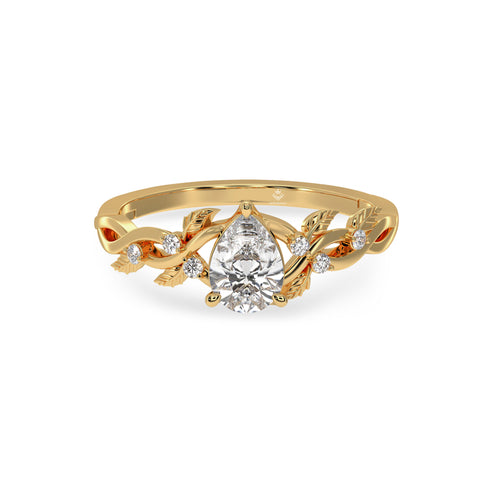
- Pear: Distinctive and elegant, though it needs a protective setting for the point.
Settings
- Solitaire: Timeless and lets the stone speak.
- Hidden halo: A ring of small diamonds under the main stone adds subtle sparkle from the side.
- Three-stone: Often symbolizes past, present and future.
- Band styles: A pavé or channel-set band adds shimmer along the whole finger.
Metals
- White gold: Bright and modern, usually rhodium-plated, so it may need re-plating over time.
- Yellow gold: Warm and classic, and it can make a slightly warmer stone look more white by contrast.
- Platinum: Naturally white and durable, with a heavier feel and typically a higher price.
A Quick Look at the Trade-Offs
| Factor | Lab-Grown | Natural |
|---|---|---|
| Composition | Carbon, same structure | Carbon, same structure |
| Hardness | 10 on Mohs | 10 on Mohs |
| Typical price at 2 ct | Often substantially lower | Typically higher |
| Resale value | Generally limited | Often better, but not guaranteed |
| Origin | Grown in a lab | Formed in the Earth |
| Certification | GIA, IGI and others | GIA, IGI and others |
| Best for | Maximizing size or quality per dollar | Valuing natural origin and rarity |
Tips That Save You Money and Regret
Look at the stone, not just the paperwork
Two stones with identical grades can look different. If you can’t view it in person, ask for a high-resolution video in natural light.
Don’t chase the magic number
A 1.9 ct stone and a 2.0 ct stone look the same on the hand but are often priced noticeably differently, because demand spikes at round numbers.
Try it on, or at least try on the size
A two-carat stone looks bold on a slim finger and more moderate on a larger one. A friend’s size 5 hand and a size 9 hand will tell very different stories about the same ring.
Spend on cut first
A beautifully cut stone with a slightly lower color or clarity grade usually beats the reverse.
Common mistakes to avoid:
- Skipping the certificate or accepting an unfamiliar lab’s report without question
- Overpaying for a color grade that’s invisible once the stone is set
- Ignoring the return policy and the resizing terms
- Forgetting insurance, which matters for either type
Questions That Come Up Most
Will anyone be able to tell the difference?
Not by looking. Both stones sparkle the same way, and telling them apart requires specialized lab equipment. Your certificate is the real record of origin.
Is a lab-grown diamond “fake”?
No. It’s a genuine diamond with the same chemistry and hardness as a mined one. A fake, like cubic zirconia or moissanite, is a different material altogether.
Which one will last longer?
Both are the hardest natural-or-lab material used in jewelry, so durability is effectively identical. What wears over time is the setting, so check the prongs periodically.
Conclusion
Choose lab-grown if you want the most size and quality for your budget, value traceable sourcing, or care less about resale. Choose natural if rarity and geological origin matter to you, or if you prefer a stone with a more established resale market. Either way, put cut and certification first. If you’d like to see how these choices come together, you can browse a 2 ct wedding ring at Gem Royals and compare options side by side.













Comments (0)