

Colon Hydrotherapy Before and After: How to Prepare and Care for Your Body Afterward
Learn how to prepare for Colon Hydrotherapy, what to expect afterward, and practical tips for hydration, food, activity, and safe aftercare.

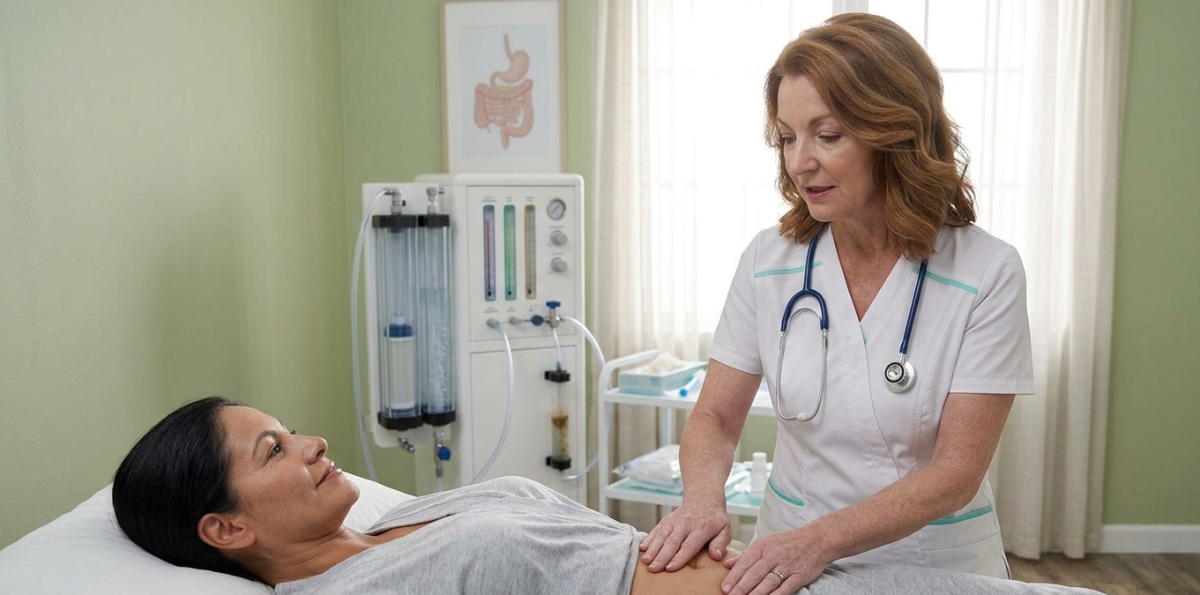
Preparing for a wellness procedure can make the experience more comfortable and predictable. If you are considering Colon Hydrotherapy, knowing what to do before and after the session can help you feel more prepared. The process involves introducing water into the colon through a tube to help remove stool and other waste from the lower bowel. Because the experience can affect bowel movements, hydration, and how your abdomen feels temporarily, simple preparation and sensible aftercare are important.
Rather than viewing Colon Hydrotherapy as a complete solution for digestive health, it is better to understand what the session can realistically do and what preparation involves. Your individual needs, health history, medications, and digestive symptoms should also be considered before scheduling a session.
Before Your Colon Hydrotherapy Session
A little planning can make the appointment easier. Preparation does not usually mean following an extreme diet or trying to completely empty your digestive system beforehand. The goal is to arrive comfortable, adequately hydrated, and ready to follow the practitioner’s instructions.
Check Whether the Procedure Is Appropriate
Before making an appointment, consider your current health. People with certain gastrointestinal conditions, recent abdominal procedures, significant rectal bleeding, severe abdominal pain, or other medical concerns may need to avoid bowel cleansing procedures or obtain medical advice first.
If you have an ongoing digestive problem, do not use Colon Hydrotherapy as a substitute for finding the underlying cause. Persistent constipation, unexplained changes in bowel habits, blood in the stool, repeated diarrhea, or unexplained weight loss deserves appropriate medical evaluation.
Discuss Your Health History
Share relevant health information with the practitioner before the session. This may include medications, recent procedures, pregnancy, bowel problems, cardiovascular concerns, kidney problems, or previous difficulties with bowel cleansing.
Certain conditions may increase the risk of dehydration, electrolyte changes, irritation, or other complications. Providing an accurate history allows you to make a more informed decision about whether the procedure is suitable.
Stay Normally Hydrated
Good hydration is useful before any procedure that may involve bowel movements. Drink fluids normally unless a healthcare professional has given you a different fluid restriction.
There is no advantage to rapidly drinking excessive amounts of water immediately before Colon Hydrotherapy. Overhydration can also be harmful, so focus on normal fluid intake rather than trying to compensate for the session in advance.
What to Eat Before the Appointment
Food choices before a session can influence how comfortable you feel. A very heavy meal shortly before an appointment may leave you feeling overly full or uncomfortable while your abdomen is being treated.
Depending on the practitioner’s instructions, you may prefer a lighter meal several hours before the appointment. Foods that you already know cause significant gas, bloating, or digestive discomfort may be worth limiting beforehand.
You generally do not need to undertake prolonged fasting unless specifically advised by a qualified healthcare professional for a particular reason.
Choose Familiar Foods
The day before an appointment is not the best time to experiment with unfamiliar foods, aggressive cleanses, or large amounts of fiber supplements. Sudden dietary changes can cause gas, bloating, diarrhea, or constipation, making it harder to know what is causing your symptoms.
A balanced eating pattern with foods you tolerate well is usually a more practical approach.
Avoid Extreme Cleansing
Some people assume that Colon Hydrotherapy works better if they first use laxatives, enemas, fasting, or other cleansing products. Combining multiple bowel-cleansing methods without professional guidance can increase the possibility of dehydration, cramping, and electrolyte disturbances.
More cleansing does not necessarily mean better digestive health.
What to Wear and Bring
Comfortable clothing can make the appointment easier. Choose clothes that are not overly restrictive around the abdomen and that you can change easily if necessary.
You may also want to bring water for afterward and allow yourself enough time to use the restroom before leaving. If the appointment is your first experience with Colon Hydrotherapy, avoid scheduling it immediately before an important event or long journey. Your bowel movements may temporarily be different after the session.
What Happens During the Session?
Understanding the general process can reduce uncertainty. During Colon Hydrotherapy, a small tube is typically used to introduce water into the colon. The water is then released along with stool and other contents through the system.
The experience varies from person to person. Some people may notice pressure, fullness, mild cramping, or the urge to have a bowel movement. Communicating discomfort during the appointment is important.
A session should not be treated as something you must simply tolerate if you experience significant pain. If something feels unusually painful or concerning, tell the practitioner immediately.
How Long Does It Take?
Session length can vary depending on the setting and procedure. Before booking, ask how long the appointment is expected to last and whether additional time is recommended afterward.
Leaving some flexibility in your schedule can be helpful, particularly for a first appointment.
Immediately After Colon Hydrotherapy
Your body may feel different immediately after Colon Hydrotherapy. Some people experience a temporary feeling of lightness or reduced fullness because stool has been removed from the lower bowel. Others may notice cramping, gas, tiredness, or changes in bowel activity.
There is no single aftercare experience that applies to everyone.
Replace Fluids Normally
Because bowel cleansing can involve fluid loss, maintaining normal hydration afterward is sensible. Drink fluids according to your usual needs unless your healthcare professional has instructed you to restrict them.
If you develop unusual thirst, dizziness, weakness, confusion, or other concerning symptoms, seek appropriate medical advice rather than assuming these effects are a normal part of cleansing.
Return to Normal Eating Gradually
After Colon Hydrotherapy, you may prefer a simple meal if your stomach feels sensitive. Foods that are familiar and easy for you to tolerate can be a practical choice.
There is generally no need to follow an extreme post-session detox diet. Your digestive system does not require a restrictive “reset” to function properly.
Pay Attention to Your Body
One of the most useful parts of aftercare is observing how you feel. You may experience additional bowel movements, temporary gas, mild cramping, or abdominal sensations after the appointment.
These effects may settle, but persistent or severe symptoms should not be ignored.
If you experience significant abdominal pain, persistent vomiting, heavy rectal bleeding, fainting, fever, severe weakness, or another alarming symptom, seek medical attention promptly.
What About Exercise After the Session?
Whether you return immediately to your usual activities depends on how you feel. If you are comfortable, ordinary daily activities may be reasonable. However, if you feel tired, light-headed, crampy, or otherwise unwell, resting may be more appropriate.
Avoid treating the session as a reason to perform an intense workout or another demanding cleanse immediately afterward.
Listening to your body is more useful than following rigid rules.
Can You Have Another Session Soon?
More frequent Colon Hydrotherapy is not automatically better. Repeated bowel cleansing can expose you to risks such as dehydration, electrolyte disturbances, irritation, and other complications.
If you are considering repeated sessions because of chronic constipation, bloating, or another recurring symptom, focus on identifying the cause rather than repeatedly relying on bowel emptying.
Constipation, for example, can be associated with inadequate fluid intake, low dietary fiber, limited physical activity, medication effects, changes in routine, or underlying health conditions. Addressing these factors may provide more sustainable support.
What Colon Hydrotherapy Cannot Replace
It is important to keep expectations realistic. Colon Hydrotherapy removes bowel contents, but that does not mean it removes all toxins from the body or permanently improves overall health.
Your liver, kidneys, lungs, gastrointestinal tract, and other body systems already participate in normal waste processing. Claims that a colon cleansing session can broadly “detox” the entire body should therefore be approached cautiously.
Likewise, temporary weight changes after bowel emptying should not be confused with meaningful fat loss.
Supporting Digestive Health Afterward
If your goal is better digestive wellness, daily habits matter more than a single cleansing session. Adequate fluids, regular movement, a balanced diet, sufficient dietary fiber when appropriate, and consistent bowel habits can all support normal digestive function.
If increasing fiber, do so gradually and drink enough fluid to support the change. Sudden increases can cause gas or bloating in some people.
Sleep, stress management, physical activity, and attention to recurring digestive symptoms can also contribute to overall wellness.
Questions to Ask Before Booking
Before choosing Colon Hydrotherapy, consider asking:
-
What does the session involve?
-
What preparation do you recommend?
-
How should I eat and drink beforehand?
-
Are there conditions or medications that make the procedure unsuitable?
-
What side effects should I expect afterward?
-
What symptoms would require medical attention?
-
How frequently, if at all, is repeat treatment appropriate?
Clear answers can help you decide whether the procedure fits your circumstances.
Conclusion
Preparing thoughtfully and practicing sensible aftercare can make Colon Hydrotherapy easier to understand and potentially more comfortable. Normal hydration, familiar foods, appropriate clothing, realistic expectations, and attention to your body's response are practical considerations before and after a session.
At the same time, bowel cleansing should not be viewed as a cure-all for digestive problems. It does not replace evaluation of persistent symptoms or healthy daily habits. If you are considering Colon Hydrotherapy because of ongoing constipation, abdominal discomfort, or changes in bowel habits, identifying the underlying cause is an important part of responsible digestive care.
FAQs
1. Should I drink extra water before Colon Hydrotherapy?
Normal hydration is generally more sensible than rapidly drinking excessive amounts of water. Follow any specific fluid instructions provided by your healthcare professional.
2. Can I eat normally after Colon Hydrotherapy?
Many people can gradually return to their usual diet after a session. If your abdomen feels sensitive, choosing familiar, lighter foods may feel more comfortable.
3. Is it normal to have bowel movements after Colon Hydrotherapy?
Additional bowel activity, gas, or mild temporary cramping may occur. However, severe pain, significant bleeding, fainting, or persistent concerning symptoms should receive medical attention.
4. Can Colon Hydrotherapy be repeated regularly?
Repeated sessions are not automatically necessary or risk-free. If you feel the need for frequent cleansing because of recurring digestive symptoms, discussing those symptoms with a healthcare professional is a better starting point.



Comments (0)