

Endpoint Security Services: How to Protect Every Device on Your Network
Endpoint Security Services: How to Protect Every Device on Your Network

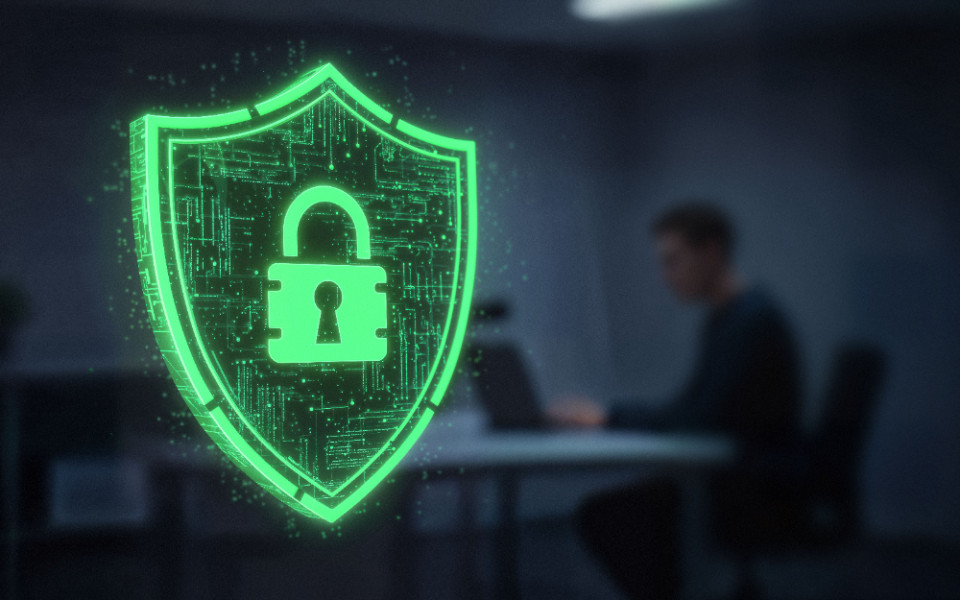
Every laptop, phone, server and printer your team uses is a door into your business. Attackers know it, and they only need one unlocked door. That is why endpoint security services have moved from a "nice to have" to a core part of any serious security plan.
In this guide, we explain what endpoint security services are, which threats they stop, what a strong service includes, and how to choose a provider that fits your business.
What Are Endpoint Security Services?
An endpoint is any device that connects to your network. That includes desktops, laptops, smartphones, tablets, servers, IoT devices such as smart cameras and printers, and network equipment such as routers and switches.
Endpoint security services protect those devices from malware, ransomware, phishing, unauthorized access and data theft. Instead of relying on a single firewall at the edge of your network, they place protection on each device and monitor it continuously. If one device is compromised, the threat can be detected and contained before it spreads.
Most businesses no longer have a single office perimeter. Staff work from home, from client sites and from airports. Each of those locations puts a device outside your direct control, so the device itself has to be defended.
Why Endpoints Are a Prime Target
Endpoints are attractive to attackers for three reasons:
-
They are used by people. Employees click links, open attachments and reuse passwords. Phishing remains one of the most common ways attackers get a foothold.
-
They are everywhere. The more devices you have, the larger your attack surface, and the harder it is to keep every one patched and configured correctly.
-
They hold valuable data. Customer records, financial files and credentials often sit on laptops and servers.
Small and mid-sized businesses are not exempt. Attackers often prefer them because defenses tend to be thinner. A single ransomware infection can halt operations, trigger legal obligations and damage customer trust.
Core Components of Strong Endpoint Security Services
A good service is layered. No single tool catches everything, so the best providers combine several technologies and add human expertise.
Endpoint Protection Platform (EPP)
An EPP is the first line of defense. It blocks known malware, suspicious files and risky behavior before they execute, and typically includes next-generation antivirus.
Endpoint Detection and Response (EDR)
Prevention will occasionally fail. EDR records activity on each device, flags unusual behavior and lets analysts investigate and isolate an infected machine quickly. It answers the questions that matter after an alert: what happened, how far did it spread, and how do we stop it?
Extended Detection and Response (XDR)
XDR connects signals from endpoints, email, cloud workloads and the network into a single view. This helps teams spot multi-stage attacks that look harmless when each piece is viewed alone.
24/7 Monitoring with Managed Detection and Response
Tools only help if someone acts on their alerts. Managed detection and response puts a team of security analysts behind your technology, watching around the clock and responding when something looks wrong. For businesses without an in-house security operations team, this is often the difference between a contained incident and a major breach.
Endpoint Encryption
If a laptop is lost or stolen, encryption keeps the data unreadable. It is a simple control with a big payoff, and many regulations expect it.
Network Access Control (NAC)
NAC checks whether a device meets your security rules before it is allowed onto the network. Unpatched, unknown or non-compliant devices can be blocked or quarantined.
Patch and Vulnerability Management
Attackers regularly exploit known flaws in operating systems and applications. A solid service includes vulnerability management and timely patching so those gaps close quickly.
Benefits of Investing in Endpoint Security Services
Faster threat detection and response. Continuous monitoring shortens the time between the first sign of an attack and containment, and that time directly affects how much damage is done.
Automation that reduces workload. Modern platforms automatically quarantine files, isolate devices and roll back malicious changes. That frees your IT staff for higher-value work.
Stronger compliance posture. Many frameworks and regulations require protection of devices that handle sensitive data. Endpoint controls, logging and encryption provide evidence for audits. If you operate in a regulated space, pairing endpoint protection with cybersecurity compliance services keeps you ready.
Protection for remote and hybrid teams. Security travels with the device, so employees are covered whether they are in the office or working from a coffee shop.
Lower cost of incidents. Preventing or quickly containing an attack costs far less than recovering from downtime, ransom demands, legal fees and lost customers.
Industries That Benefit Most
Any organization with devices and data benefits, but some face heightened risk or stricter requirements:
-
Healthcare: Patient records are valuable and heavily regulated.
-
Financial services: Attackers target money and account data directly.
-
Legal services: Client confidentiality is non-negotiable.
-
Education: Large numbers of shared and personal devices expand the attack surface.
-
Retail: Point-of-sale systems and customer payment data are frequent targets.
-
Government and non-profits: Limited budgets and sensitive data make a risky combination.
-
Small businesses: Fewer resources often mean fewer safeguards, which makes them easy targets.
How to Choose an Endpoint Security Services Provider
Not all providers are equal. Use these questions to evaluate your options:
-
Do they offer layered protection? Look for EPP, EDR or XDR, encryption and access control working together rather than a lone antivirus product.
-
Is monitoring truly 24/7? Attacks do not keep business hours. Confirm that real analysts review and respond to alerts at night and on weekends.
-
How fast do they respond? Ask for response-time commitments and what actions they take on your behalf during an incident.
-
Do they understand your industry? Compliance needs differ between a clinic and a retail chain. Experience in your sector matters.
-
Can they scale with you? Your device count will change. The service should grow without a painful redesign.
-
Is reporting clear? You should get plain-language reports that show what was blocked, what was found and what you should do next.
-
Do they support the bigger picture? Endpoint protection works best alongside managed IT services, penetration testing and security awareness training, because technology, process and people all matter.
Common Mistakes to Avoid
-
Relying on antivirus alone. Traditional antivirus misses many modern threats, especially fileless attacks and new ransomware variants.
-
Ignoring personal and mobile devices. If staff access company data from their phones, those phones are endpoints too.
-
Letting patches slide. Delayed updates are one of the easiest ways in for attackers.
-
Buying tools without monitoring. Alerts nobody reads provide no protection.
-
Skipping employee training. Even the best technology cannot stop a user from handing over their password.
A Simple Starting Plan
If you are not sure where to begin, start here:
-
Build an inventory of every device that touches your network.
-
Identify which devices hold or access your most sensitive data.
-
Deploy layered endpoint protection with EDR across all of them.
-
Turn on encryption and enforce strong authentication.
-
Set up continuous monitoring and a clear incident response process.
-
Review results regularly and test your defenses.
Conclusion
Your business is only as secure as its weakest device. With remote work, cloud applications and connected equipment all expanding the perimeter, endpoint security services give you visibility, protection and rapid response where attacks actually land. The right service blends prevention, detection, response and human expertise so that one compromised laptop never becomes a company-wide crisis.
Defend My Business provides the best endpoint security services for organizations that want dependable protection without the complexity. Our team delivers layered defenses, continuous monitoring and practical guidance tailored to your industry and size. Explore our endpoint security solutions or contact Defend My Business today to secure every device in your organization.













Comments (0)