

Hair Transplantation Clinic in Beverly Hills, CA for Personalized Hair Restoration
Explore personalized hair restoration at a Hair transplantation clinic in Beverly Hills, CA. Learn about treatment options, consultations, costs, and recovery at Medical Hair Restoration Center.
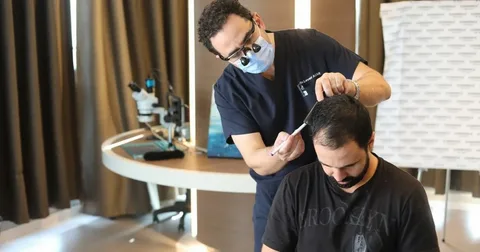
Hair loss can affect more than your appearance. It can influence your confidence, personal style, and how comfortable you feel in everyday situations. Whether you're noticing a receding hairline, thinning hair, or bald patches, finding the right treatment starts with understanding your options and choosing a qualified medical professional. Personalized care is essential because every person's hair loss pattern, goals, and treatment needs are different.
Medical Hair Restoration Center provides a starting point for individuals exploring hair restoration options in Beverly Hills, California. If you're searching for a reliable Hair transplantation clinic, learning about the consultation process, available procedures, and expected results can help you make a more informed decision.
This guide explores what to consider when choosing a clinic, how personalized treatment planning works, and why professional guidance matters throughout your hair restoration journey.
Understanding Hair Loss and Its Causes
Hair loss can develop gradually or appear more suddenly, depending on the underlying cause. Some people experience hereditary hair thinning, while others notice changes related to hormonal factors, medical conditions, stress, or certain medications.
Understanding the cause is an important first step because not every type of hair loss requires a transplant. A qualified medical professional can assess your scalp, review your medical history, and determine whether hair transplantation or another treatment approach may be appropriate.
Recognizing the Signs of Hair Thinning
Hair loss doesn't always begin with a clearly visible bald spot. You might notice that your hairline is gradually moving backward, your crown is becoming thinner, or your hair appears less dense than it did previously.
Some people also notice increased shedding when brushing or washing their hair. Although shedding can occur for several reasons, persistent or unusual hair loss deserves professional evaluation.
Identifying changes early can help you understand your options and develop a suitable plan before making decisions about treatment.
Why Individual Hair Loss Patterns Matter ?
No two hair restoration journeys are exactly alike. One person may want to improve the appearance of a receding hairline, while another may be concerned about thinning around the crown.
Hair texture, donor hair availability, scalp health, and the progression of hair loss can all influence treatment planning. A personalized assessment helps determine what may be achievable and whether a surgical procedure is the right choice.
Why Choose a Hair Transplantation Clinic?
Choosing a professional clinic gives you the opportunity to discuss your concerns with qualified medical personnel and understand the treatments that may suit your needs.
Hair transplantation involves more than moving hair follicles from one area of the scalp to another. It requires careful planning, appropriate medical assessment, and attention to the natural direction and distribution of hair.
When evaluating a Hair transplantation clinic Near Me, consider the qualifications of the treating physician, the consultation process, patient safety practices, and the availability of follow-up care.
The Importance of Professional Evaluation
Before recommending treatment, a medical professional should assess your hair loss pattern, scalp condition, medical history, and donor hair supply.
This evaluation helps determine whether a transplant is appropriate and whether additional treatment may be needed. It also provides an opportunity to discuss the possible benefits, limitations, risks, and expected recovery period.
A thorough consultation should leave you with a clearer understanding of your choices rather than pressure to commit immediately.
Experience, Qualifications, and Patient Care
When comparing providers, ask about the treating physician's qualifications, relevant hair restoration experience, and role in performing the procedure.
You should also understand who will handle different stages of treatment and what medical support is available if complications arise. Clear communication and realistic recommendations are important signs of a professional approach.
Patient care should continue after the procedure, with appropriate instructions and follow-up appointments to monitor healing and progress.
Personalized Hair Restoration at Medical Hair Restoration Center
Every individual has different expectations when considering hair restoration. Some want a more defined hairline, while others hope to improve coverage in areas affected by thinning.
Medical Hair Restoration Center is a business to consider when researching hair restoration services in Beverly Hills, CA. Prospective patients can contact the center to learn about its current services, consultation arrangements, medical team, and available treatment options.
The most suitable treatment plan should reflect your individual circumstances rather than follow a standard approach for everyone.
Creating a Treatment Plan Around Your Goals
A personalized treatment plan begins with a conversation about what concerns you most. You may want to improve the appearance of your hairline, address thinning areas, or explore whether transplantation is appropriate for your situation.
Your medical professional can assess your goals alongside your available donor hair and existing hair density. This helps establish realistic expectations about potential coverage and the number of grafts that may be appropriate.
A thoughtful plan also considers how hair loss might progress over time. Preserving donor hair for future needs can be an important part of long-term treatment planning.
Setting Realistic Expectations
Hair transplantation can improve hair coverage, but it cannot guarantee a particular density or prevent every type of future hair loss.
Results vary according to individual characteristics, the procedure performed, healing, and other factors. Transplanted hair may grow over time, while surrounding natural hair may continue to thin.
A qualified provider should explain these limitations before treatment so you can decide whether the expected benefits align with your goals.
Understanding Common Hair Transplant Procedures
Two widely used hair transplantation techniques are Follicular Unit Extraction (FUE) and Follicular Unit Transplantation (FUT). Both involve transferring hair follicles, but they differ in how those follicles are harvested.
Understanding the basic differences can help you have a more productive conversation during your consultation.
Follicular Unit Extraction (FUE)
FUE involves harvesting individual follicular units from the donor area using specialized instruments. The follicles are then prepared and placed into the selected areas of the scalp.
This method generally leaves small, scattered scars rather than the single linear scar associated with FUT. However, scarring can still occur, and the final appearance depends on the harvesting technique, healing, and other individual factors.
Your specialist can explain whether FUE is suitable for your goals and discuss donor hair management, recovery, and potential limitations.
Follicular Unit Transplantation (FUT)
FUT involves removing a strip of scalp from the donor area and separating it into individual follicular units for transplantation.
The technique typically leaves a linear scar, which may be more noticeable with shorter hairstyles. In suitable patients, FUT may offer advantages for harvesting grafts.
Neither technique is automatically best for everyone. Your medical professional should explain the benefits and limitations of each option before recommending a procedure.
What to Expect During Your Hair Restoration Consultation ?
A consultation is an opportunity to ask questions, understand your options, and decide whether a particular clinic meets your needs.
During the appointment, your provider may review your medical history, examine your scalp, assess donor hair, and discuss your desired outcome. You should also receive information about potential risks, treatment costs, recovery, and follow-up care.
Take time to consider the information provided. If anything is unclear, ask for an explanation before making a decision.
Discussing Your Medical History
Your medical history can help identify factors that may affect treatment suitability or recovery. Be prepared to discuss medications, previous procedures, existing medical conditions, and when your hair loss began.
If hair loss is sudden, patchy, or accompanied by scalp irritation, further evaluation may be necessary to identify the cause before considering transplantation.
Evaluating Donor Hair and Scalp Health
Donor hair is a limited resource, so it must be assessed carefully. Your specialist may evaluate hair density, thickness, scalp condition, and the areas affected by thinning.
This information helps determine whether sufficient donor hair is available and what level of coverage may be realistic. A responsible treatment plan should account for both your current concerns and possible future hair loss.
Factors to Consider When Comparing Hair Transplant Clinics
Searching online for a Hair transplantation clinic Near Me can produce many options, but choosing the right provider requires more than reviewing website descriptions.
Compare medical qualifications, treatment recommendations, consultation quality, pricing transparency, and follow-up arrangements. Patient reviews may provide additional insight into communication and service, although individual experiences and outcomes vary.
Before-and-after photographs can also help you understand a provider's work, but they should not be treated as a guarantee of your own results.
Understanding Treatment Costs
Hair transplant costs vary depending on the technique, number of grafts, procedural complexity, provider arrangements, and other factors.
Request a written estimate and ask what it includes. Find out whether consultation fees, medication, aftercare, and follow-up appointments involve additional charges.
Rather than choosing a clinic based only on the lowest price, consider the qualifications of the medical team, patient safety, treatment planning, and quality of care.
The Value of Clear Communication
A professional provider should explain the procedure in language you understand and answer your questions without making unrealistic promises.
Be cautious of guaranteed results, pressure to book immediately, or recommendations that don't appear to account for your individual circumstances.
You should feel comfortable discussing your concerns and confident that you have enough information to make a decision.
Recovery and Long-Term Hair Growth
Hair transplantation requires patience because visible results develop gradually. After treatment, temporary redness, swelling, tenderness, and small scabs may occur around the treated areas.
Your clinic should provide specific instructions about scalp care, washing, exercise, sleeping positions, and returning to normal activities. Follow those instructions carefully and contact your medical team if you experience concerning symptoms.
When Will New Hair Become Visible?
Transplanted hairs often shed during the early weeks after a procedure. This can be a normal part of the process and does not necessarily indicate that the treatment has failed.
New growth generally develops over the following months. Many patients assess visible progress around six to twelve months, although the timeline varies and further improvement may take longer.
Your provider can explain what to expect at different stages and help you monitor progress during follow-up appointments.
Maintaining Your Hair Restoration Results
Long-term care depends on your individual hair loss pattern and medical needs. Although transplanted follicles may continue growing, other natural hair can remain vulnerable to thinning.
Your specialist may discuss whether additional medical treatments or periodic assessments could help manage ongoing hair loss. Follow-up care can also help identify concerns and determine whether further treatment should be considered.
Choosing a Hair Transplantation Clinic in Beverly Hills, CA
Beverly Hills is known for its medical and cosmetic services, making it important to compare providers carefully rather than relying on location alone.
When researching a Hair transplantation clinic Beverly Hills CA, look for qualified medical professionals, individualized assessments, transparent pricing, clear risk information, and appropriate follow-up support.
Medical Hair Restoration Center is an option to investigate when exploring hair restoration services in the area. Contact the center directly to confirm its current offerings, physician qualifications, consultation process, and treatment suitability for your needs.
A clinic that communicates clearly and provides realistic guidance can help you approach your hair restoration journey with better information and more confidence.
Conclusion
Choosing the right hair restoration provider is an important decision that deserves careful research and realistic expectations. Understanding your hair loss, comparing treatment techniques, reviewing medical qualifications, and discussing costs can help you identify an approach that fits your needs.
If you're searching for a Hair transplantation clinic Near Me or researching a Hair transplantation clinic Beverly Hills CA, focus on professional evaluation, personalized treatment planning, patient safety, and clear communication.
Medical Hair Restoration Center can be contacted to learn more about its available hair restoration services and consultation options. Take your time, ask the right questions, and choose a provider who helps you understand your options before moving forward.
Frequently Asked Questions
1. What should I look for in a hair transplantation clinic?
Look for qualified medical professionals, relevant experience, individualized treatment recommendations, transparent pricing, and appropriate follow-up care. A consultation should provide clear information about the procedure, risks, and expected results.
2. Is hair transplantation suitable for everyone experiencing hair loss?
No. Suitability depends on the cause of hair loss, donor hair availability, scalp health, medical history, and other factors. A qualified medical professional can evaluate your situation and recommend appropriate options.
3. What is the difference between FUE and FUT?
FUE involves harvesting individual follicular units, while FUT removes a strip of scalp that is divided into follicular units. Both methods have different considerations involving scarring, recovery, and donor hair management.
4. How long does it take to see hair transplant results?
Hair growth develops gradually. Early shedding is common, and visible improvement often takes several months. Many patients assess results over six to twelve months or longer, depending on their individual circumstances.
5. How can I find a Hair transplantation clinic in Beverly Hills, CA?
Research local providers, review medical qualifications, compare consultation processes, and ask about treatment options, costs, and follow-up care. Contact Medical Hair Restoration Center directly to confirm its current services and determine whether a consultation is appropriate for your needs.

Local Business Hub promotes local businesses through quality content, business insights, and digital marketing to help brands grow, connect, and succeed.












Comments (0)