

How to Massage Your Feet at Home for Plantar Fasciitis Relief

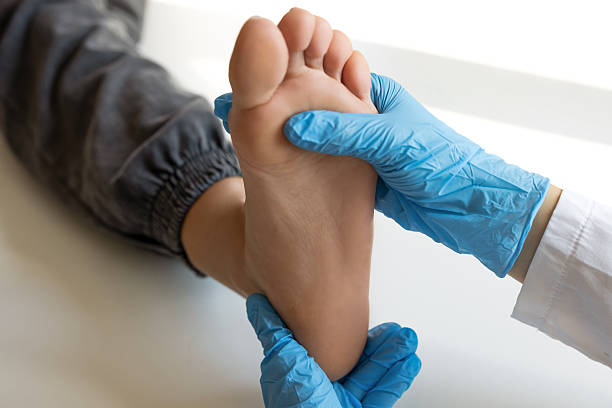
Plantar fasciitis is a common cause of heel pain that can make walking, standing, and other daily activities difficult. The pain often feels sharp near the heel, especially when you take your first steps in the morning or stand up after sitting for a long time. It happens when the plantar fascia, a thick band of tissue that runs along the bottom of your foot, becomes irritated from repeated pressure and strain.
Foot massage at home may help reduce tightness and make your feet feel more comfortable. Simple methods, such as using your hands or rolling a tennis ball under your foot, can help relax the muscles around the arch and heel. However, massage alone may not fully address plantar fasciitis. Combining it with gentle stretching, supportive shoes, and changes to daily activities can help you manage the pain more effectively.
In this guide, you will learn how to massage your feet at home, how often to do it, which mistakes to avoid, and when to consider professional care.
What Is Plantar Fasciitis?
The plantar fascia is a strong band of tissue that connects your heel bone to the base of your toes. It supports the arch of your foot and helps absorb pressure when you walk, run, or stand.
When this tissue experiences too much stress, it can become painful. This may happen because of long hours of standing, sudden increases in exercise, tight calf muscles, or shoes that do not provide enough support.
Common signs of plantar fasciitis include:
-
Sharp heel pain during the first few steps in the morning.
-
Pain along the bottom of the foot or around the arch.
-
Stiffness after sitting or resting for a long time.
-
Heel discomfort after walking or standing for several hours.
-
Pain that returns or increases after physical activity.
These symptoms can affect your daily routine and make simple tasks uncomfortable. If you have ongoing heel pain, a healthcare professional can help identify the cause and recommend suitable treatment.
Benefits of Foot Massage for Plantar Fasciitis
Gentle foot massage may help manage some symptoms of plantar fasciitis. It is a simple home care method that does not require special equipment.
1. Helps Relax Tight Muscles
The muscles in your feet and calves can become tight from standing, walking, or exercising. Gentle massage may help these muscles relax and make movement feel easier.
2. May Reduce Foot Discomfort
Massaging the arch and the area around the heel may help reduce feelings of tightness. Some people find that gentle massage makes their feet feel more comfortable after a long day.
3. Helps You Relax
Foot pain can make it harder to enjoy everyday activities. Taking a few minutes to massage your feet can provide a relaxing break and help you focus on areas that feel stiff.
4. Supports Other Home Treatments
Massage can be part of a wider plan for managing plantar fasciitis. Stretching, supportive footwear, and changes to activities that cause pain may also help.
Remember that massage does not work the same way for everyone. It should not cause sharp pain or make your symptoms worse.
How to Massage Your Feet at Home for Plantar Fasciitis Relief
You can massage your feet at home using your hands or a small ball. Start slowly and use light pressure, especially if your heel is tender.
Step 1: Prepare Your Feet
Find a comfortable place to sit and remove your shoes and socks. Let your feet rest for a few minutes before starting.
Gently move your ankles in circles and slowly bend your toes. These simple movements can help prepare your feet for massage.
-
Sit in a position that allows you to reach your feet easily.
-
Keep your feet relaxed throughout the massage.
-
Avoid strong pressure on painful areas.
Step 2: Massage the Arch With Your Thumb
Sit with one foot resting across your opposite knee. Place your thumb on the bottom of your foot, near the middle of the arch.
Move your thumb slowly along the arch, working from the area below your toes toward the heel. Use gentle, steady pressure and avoid pressing too hard into any sore spot.
Continue for about one to two minutes before switching feet. The goal is to ease tightness, not to force the tissue to loosen.
Step 3: Use a Tennis Ball
A tennis ball or a soft massage ball can help you massage the bottom of your foot without putting too much pressure on your hands.
Follow these simple steps:
-
Sit in a chair and place the ball under your foot.
-
Slowly roll your foot forward and backward over the ball.
-
Move between the arch and the area near the heel.
-
Continue for one to two minutes, using light pressure.
Do not stand on the ball or place your full body weight on it. Too much pressure may increase heel pain. If you feel sharp pain while rolling, stop the exercise.
Step 4: Gently Massage Around the Heel
The heel is often the most painful area for people with plantar fasciitis. For this reason, avoid pressing hard directly on the sore spot.
Instead, use your fingertips to make small, gentle circles around the heel and the nearby arch. Keep your movements slow and stop if the area becomes more painful.
-
Use light pressure around sensitive areas.
-
Avoid digging your fingers into the heel.
-
Stop if you notice increased pain or swelling.
If even gentle contact causes discomfort, skip this step and speak with a healthcare professional.
Step 5: Massage Your Calf Muscles
Tight calf muscles can add strain to the tissues around your heel when you walk. Gently massaging your calves may help relax these muscles.
Sit comfortably and use both hands to stroke and gently squeeze the soft muscles at the back of your lower leg. Move from the lower calf upward, avoiding strong pressure directly over the Achilles tendon.
Spend around two minutes on each calf. Keep the pressure comfortable and do not massage hard enough to cause pain or bruising.
Step 6: Finish With Gentle Stretching
After the massage, try a simple stretch for your plantar fascia.
Sit down and place one foot across your opposite knee. Hold your toes and gently pull them toward your shin until you feel a stretch along the bottom of your foot.
Hold the stretch for 10 to 20 seconds, then relax. Repeat a few times without forcing your toes.
You can also stretch your calves by standing in front of a wall, placing your hands against it, and moving one leg behind you. Keep the back heel on the floor and bend your front knee slightly.
Stretching should feel gentle. Stop if it causes sharp or increasing pain.
How Often Should You Massage Your Feet?
You can start with a short massage once a day and see how your feet respond. A session of around five minutes per foot may be enough to begin with. If your symptoms remain comfortable, you can consider a second gentle session during the day.
Some people prefer to massage their feet after standing for long periods, while others find it helpful to do gentle stretches before getting out of bed.
Keep these tips in mind:
-
Start with short sessions and light pressure.
-
Avoid increasing the massage time if your pain gets worse.
-
Pay attention to how your feet feel later in the day.
-
Stop if the massage causes sharp pain or new symptoms.
There is no single routine that works for everyone. The right approach depends on your symptoms and how your feet respond to treatment.
Common Foot Massage Mistakes to Avoid
Foot massage should help you feel more comfortable. Using too much pressure or ignoring your symptoms can make the problem worse.
Avoid these common mistakes:
-
Pressing too hard: Strong pressure may irritate sensitive tissues around your heel.
-
Ignoring sharp pain: Stop any movement that causes sudden or increasing discomfort.
-
Relying only on massage: Stretching, supportive footwear, and activity changes may also be needed.
-
Walking barefoot on hard floors: This may increase discomfort for some people.
-
Returning to intense exercise too quickly: Increase activity gradually as your symptoms allow.
If your heel pain continues despite home care, consider getting a professional assessment instead of trying harder massage techniques.
Other Ways to Manage Plantar Fasciitis at Home
Along with massage, a few simple changes may help reduce pressure on your feet and support recovery.
Wear Supportive Shoes
Choose comfortable shoes that fit well and provide suitable arch support and heel cushioning. Avoid worn-out footwear, especially if you spend long hours standing or walking.
Stretch Before Walking
Before taking your first steps in the morning, gently pull your toes toward your shin or move your ankles through a comfortable range of motion. This may help reduce stiffness before putting weight on your feet.
Adjust Your Daily Activities
If running, jumping, or standing for long periods makes your pain worse, reduce these activities temporarily. Choose lower-impact activities when they feel comfortable, and return to more demanding exercise gradually.
Try Cold Therapy
Rolling a cold water bottle gently under your foot for a short period may help soothe discomfort. Do not place ice directly on your skin, and stop if the cold causes pain or irritation.
Get Professional Advice
A qualified healthcare professional or physical therapist can assess your symptoms and suggest suitable stretches, strengthening exercises, footwear changes, and other treatments.
When Should You Look for Plantar Fasciitis Massage
Home massage may help with mild foot discomfort, but some cases of plantar fasciitis need professional care. If your heel pain continues, affects your walking, or keeps returning, consider getting your foot assessed.
Searching for Plantar Fasciitis Massage Near Me can help you explore local massage therapists, physical therapy clinics, and other providers who work with foot pain. Before booking an appointment, check the provider's qualifications and experience with plantar fasciitis.
Ask whether the treatment includes an assessment of your symptoms, gentle massage techniques, stretching guidance, and advice for managing pain at home. The pressure and type of treatment should be based on your comfort and needs.
Keep in mind that massage may help reduce muscle tightness, but it does not treat every cause of heel pain. A healthcare professional can help you understand whether massage is suitable and whether you need other treatments.
Seek prompt medical care if you cannot put weight on your foot, develop significant swelling or redness, have a fever, or experience sudden, severe pain after an injury. You should also arrange an assessment if your symptoms continue to worsen or fail to improve with basic home care.
Final Thoughts
Massaging your feet at home can be a simple way to help manage the discomfort linked to plantar fasciitis. Using your thumbs, rolling a tennis ball under your foot, and gently massaging your calf muscles may help ease tightness around the arch and heel.
For better results, combine gentle massage with stretching, supportive footwear, and changes to activities that increase your pain. Start slowly, avoid strong pressure, and pay attention to how your feet feel after each session.
If heel pain continues to affect your daily routine, professional guidance can help you find a suitable treatment plan. You can also learn more about chiropractic care and related treatment options by visiting Chiropractor San Francisco.
With the right care and a consistent routine, you can take practical steps toward improving foot comfort and making everyday movement easier.















Comments (0)