

How Professional Pest Inspections Help Prevent Recurring Infestations
Discover how professional pest inspections identify hidden pests, prevent recurring infestations, and support long-term bed bug and pest control.

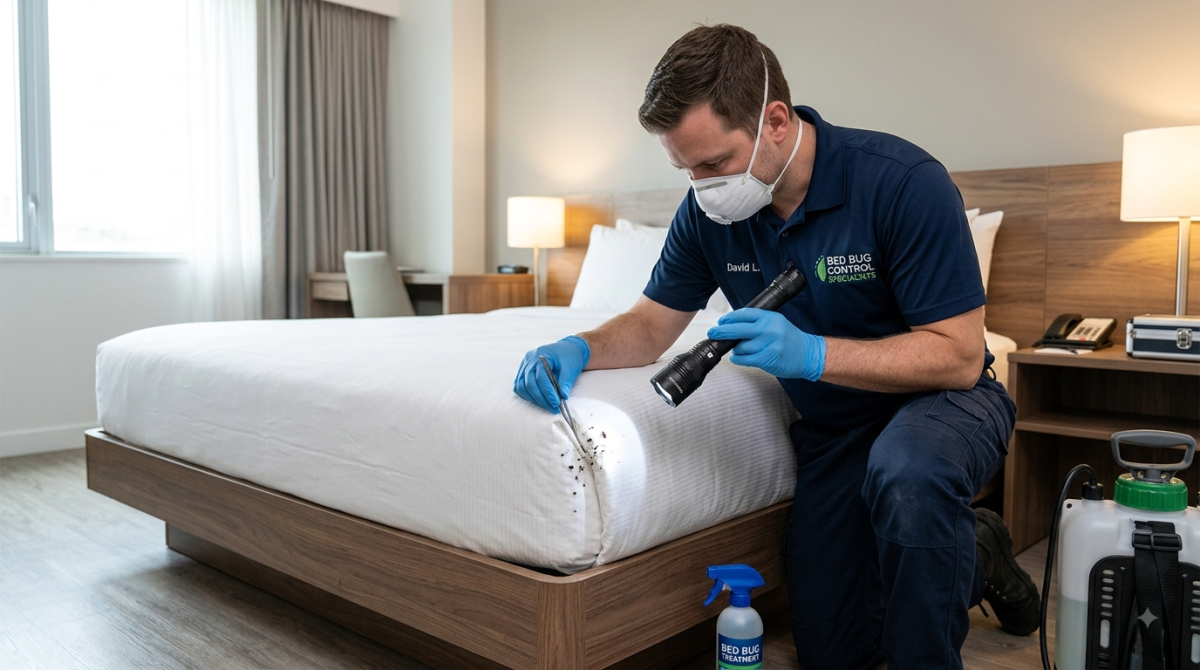
Recurring pest infestations can frustrate homeowners, tenants, landlords, and business owners. Even after visible pests disappear, hidden insects, overlooked entry points, and untreated nesting areas can allow the problem to return. A professional inspection helps identify these underlying issues before they lead to another infestation.
This is particularly important when dealing with bed bugs. Effective bed bug pest control requires more than treating the mattress or the room where insects were first noticed. Bed bugs can hide in bed frames, upholstered furniture, cracks, and other protected locations. A thorough inspection helps determine where they are hiding, how far they may have spread, and which control measures are appropriate.
Professional pest inspections also benefit properties affected by rodents, cockroaches, ants, and other common pests. By combining accurate identification, monitoring, preventive maintenance, and follow-up assessments, property owners can make better decisions and reduce the likelihood of repeated pest problems.
Table of Contents
-
Why Pest Infestations Keep Returning
-
What Happens During a Professional Pest Inspection
-
How Inspections Help Prevent Recurring Infestations
-
Warning Signs That Require an Inspection
-
How Property Owners Can Support Long-Term Pest Prevention
-
Frequently Asked Questions
Why Pest Infestations Keep Returning
Repeated pest activity often indicates that the original problem was not fully resolved or that new pests have entered the property. Understanding the cause is essential to choosing an effective prevention strategy.
1. Hidden Pest Harborages Remain Untreated
Many pests spend most of their time in locations that are difficult to see. Bed bugs, for example, can hide in mattress seams, headboards, bed frames, furniture joints, and narrow crevices near sleeping areas.
Treating only the most obvious location may leave other insects undisturbed. Similarly, cockroaches can remain behind appliances or inside cabinet voids, while rodents may nest in wall cavities or attics.
2. Entry Points Are Never Corrected
Cracks around utility pipes, damaged door seals, unprotected vents, and openings near foundations can allow pests to enter repeatedly.
Even when an existing infestation is controlled, new pests may arrive if these access points remain open. Inspections help identify structural weaknesses that require sealing or repair.
3. Conditions Continue to Attract Pests
Food residue, standing water, leaking plumbing, clutter, and poorly managed waste can create favorable conditions for pests.
A treatment may reduce the current population, but the problem can return if these conditions remain unchanged. Effective prevention therefore combines pest control with practical improvements to sanitation, moisture management, and building maintenance.
4. Follow-Up Checks Are Overlooked
Some infestations require multiple control steps and subsequent inspections. Bed bug eggs may survive certain treatments, and newly hatched insects can become noticeable later.
The Illinois Department of Public Health emphasizes that finding no bed bugs during an inspection does not necessarily prove their absence. Thorough inspection and appropriate follow-up are important parts of successful management.
Illinois Department of Public Health
+1
What Happens During a Professional Pest Inspection
A professional inspection follows a systematic process to establish what pest is present, where it is active, and what conditions may be contributing to the problem.
Identifying the Pest and Its Activity
The inspection begins by reviewing the property owner's observations, previous treatments, and locations where pests have been seen. The inspector then looks for physical evidence that can help confirm the pest's identity.
Depending on the infestation, this evidence may include:
-
Live or dead insects.
-
Droppings, shed skins, or egg cases.
-
Gnaw marks and damaged packaging.
-
Unusual odors or nesting materials.
-
Insect activity around furniture, appliances, and structural gaps.
Correct identification matters because different pests require different control methods. For instance, bites alone cannot reliably confirm bed bugs, since other insects can produce similar reactions.
US EPA
+1
Examining Likely Hiding Places
A detailed inspection focuses on locations where the suspected pest is most likely to shelter.
For bed bugs, inspectors may examine mattress seams, box springs, headboards, bed frames, upholstered furniture, and other resting areas. The surrounding space also matters because bed bugs may spread beyond the bed itself.
For other pests, the inspection may include kitchen cabinets, plumbing penetrations, basement storage areas, attic spaces, and exterior entry points.
The goal is to understand the distribution of pest activity rather than assume the first reported location is the only affected area.
Assessing Conditions That Encourage Infestations
An inspection should also consider the environment surrounding the pest activity. Inspectors may identify:
-
Food or waste that is accessible to pests.
-
Excess moisture or plumbing leaks.
-
Clutter that provides hiding places.
-
Gaps around doors, pipes, and foundations.
-
Potential routes between neighboring rooms or units.
These findings help property owners understand which repairs or routine changes may be necessary alongside treatment.
How Inspections Help Prevent Recurring Infestations
Professional inspections are most valuable when their findings lead to a practical, ongoing prevention plan.
1. They Help Target Treatment More Precisely
When inspectors identify pest harborages and activity patterns, treatments can be directed toward relevant locations rather than applied indiscriminately.
For bed bug pest control, this may involve a combination of inspection, physical removal, appropriate heat or steam methods, mattress encasements, monitoring devices, and carefully selected pesticides where necessary. The appropriate combination depends on the property and the severity of the infestation.
US EPA
+1
2. They Reveal Problems Beyond the Visible Infestation
Pest activity may originate somewhere other than the area where it is first noticed. A bedroom infestation, for example, may require inspection of nearby furniture and adjoining spaces. In multi-unit buildings, neighboring apartments may also need assessment.
The University of Minnesota Extension recommends that property managers address potentially affected neighboring units when bed bugs are reported, rather than focusing exclusively on the initial complaint.
UMN Extension
3. They Establish a Baseline for Monitoring
Inspection records help professionals compare conditions before and after treatment. Documenting where pests were found, what corrective actions were taken, and whether activity continues makes follow-up decisions more reliable.
Monitoring devices can also help detect remaining activity or a new infestation before it becomes widespread.
4. They Support Preventive Maintenance
An inspection may reveal problems that can be corrected without pesticide application. Sealing cracks, repairing leaks, reducing clutter, improving waste management, and protecting food storage areas can make a property less suitable for pests.
These changes support long-term prevention and help reduce the risk of recurring problems.
5. They Encourage Timely Follow-Up
A single inspection or treatment may not be sufficient for every infestation. Follow-up visits allow professionals to check for surviving pests, newly hatched insects, or signs of continued activity.
For bed bugs, follow-up inspections are especially important because missed hiding places or surviving eggs can contribute to renewed activity. The University of Minnesota Extension recommends a thorough follow-up inspection after treatment, with additional control measures if bed bugs are found.
UMN Extension
Warning Signs That Require an Inspection
Property owners should consider arranging a professional inspection when they notice:
-
Pest sightings that continue after treatment.
-
Repeated droppings, shed skins, or other physical evidence.
-
New bites accompanied by credible signs of bed bugs.
-
Scratching sounds or gnaw marks around walls and storage spaces.
-
Recurring pest activity in neighboring rooms or apartments.
-
Unexplained property damage or persistent sanitation concerns.
Early assessment can help establish whether the problem involves surviving pests, an overlooked source, or a new introduction.
How Property Owners Can Support Long-Term Pest Prevention
Professional inspections work best when combined with consistent property maintenance. Homeowners, tenants, landlords, and business managers can all help reduce the risk of recurring infestations.
|
Preventive measure |
Why it matters |
|
Reduce clutter |
Limits hiding places and makes inspections easier |
|
Clean regularly |
Removes food residue and helps reveal pest evidence |
|
Seal cracks and gaps |
Reduces opportunities for pests to enter |
|
Inspect used furniture |
Helps identify possible bed bug introductions |
|
Maintain inspection records |
Makes recurring activity easier to track |
|
Follow treatment instructions |
Supports effective control and reduces avoidable risks |
|
Schedule follow-up visits |
Helps confirm whether the infestation has been controlled |
For landlords and property managers, communication is equally important. Residents should know how to report pest sightings, prepare for inspections, and follow treatment recommendations. Coordinating inspections and repairs across affected units can be especially important in multi-family housing.
Frequently Asked Questions
1. How often should a professional pest inspection be scheduled?
The appropriate frequency depends on the pest, property type, previous infestations, and level of risk. Properties with recurring problems may need more frequent monitoring and follow-up visits.
2. Can professional inspections prevent bed bugs from returning?
Inspections can help identify hiding places, detect remaining activity, and uncover possible routes of spread. However, prevention also requires appropriate treatment, follow-up monitoring, and measures to reduce new introductions.
3. Why do pests return after treatment?
Pests may return because some were missed, eggs survived, entry points remain open, attractive conditions persist, or new pests entered the property.
4. What should homeowners do before an inspection?
Follow the pest professional's preparation instructions, document where activity was noticed, and avoid moving potentially infested furniture or belongings into other rooms without guidance.
5. Are professional pest inspections necessary for apartments?
They can be particularly valuable in apartment buildings because pests may move between units through shared walls, utility openings, and common areas.
6. Does every pest inspection require pesticide treatment?
No. Depending on the findings, the appropriate response may involve monitoring, cleaning, exclusion, moisture control, physical removal, or targeted treatment when necessary.
Conclusion
Professional pest inspections help prevent recurring infestations by identifying hidden activity, locating entry points, and uncovering the conditions that allow pests to survive. When inspections are combined with appropriate treatment, preventive maintenance, and follow-up monitoring, property owners have a clearer path toward long-term pest management.
For bed bugs and other persistent pests, the key is to address the entire problem rather than focus only on the most visible signs. Early detection, accurate identification, and consistent follow-through can make pest management more effective for homes, apartments, and commercial properties.
Homeowners experiencing repeated bed bug activity can explore bed bug control services in Illinois to learn about professional assistance and possible next steps.













Comments (0)