

PCOS Hair Loss: Causes, Diet Tips and Expert Guidance
Thinning hair at the crown, a widening parting or extra strands in the brush can be worrying. For many women the cause is hormonal. A registered dietitian, often described as the Best Nutritionist in East Delhi and Ghaziabad, can help you work out how food, hormones and hair health are connected.

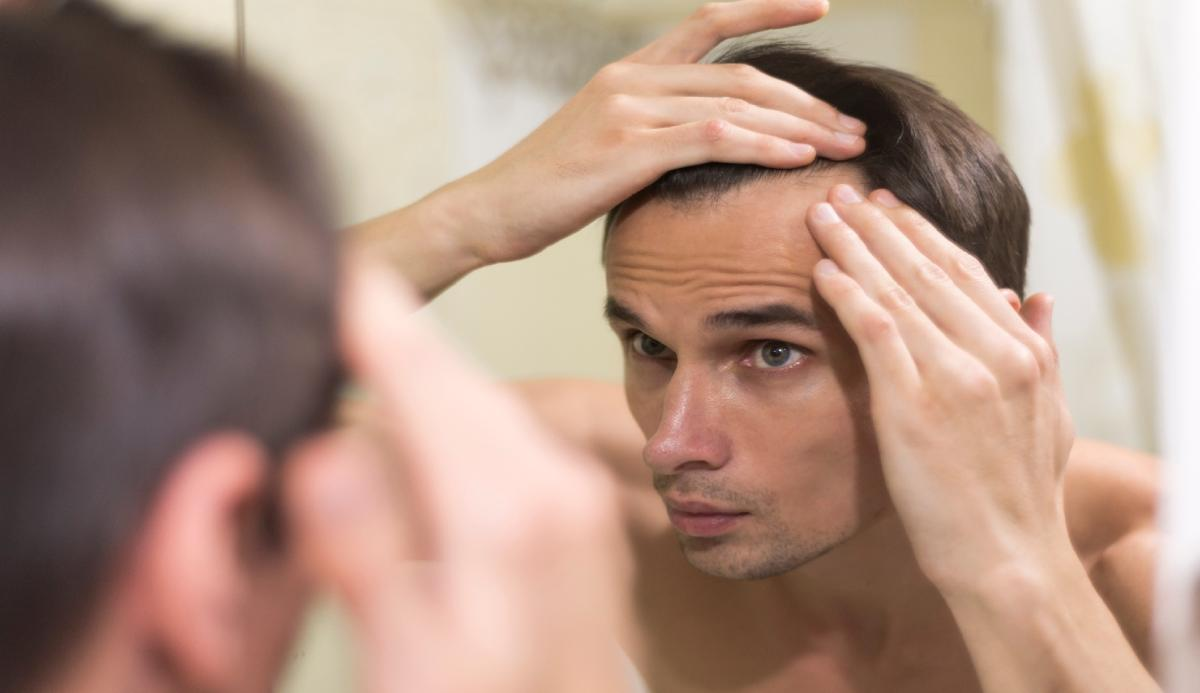
Why Does PCOS Cause Hair Loss?
Polycystic ovary syndrome (PCOS) affects roughly 8–13% of women of reproductive age worldwide, according to the World Health Organization. Many of them have raised androgens (male-type hormones). These hormones shrink hair follicles on the scalp, which leads to thinning known as female pattern hair loss.
The Role of Insulin
Studies suggest that 50–70% of women with PCOS have some degree of insulin resistance. High insulin pushes the ovaries to make more androgens, which can make hair loss worse.
Common Signs to Watch For
- Thinning at the crown or along the parting
- Increased shedding (normal is about 50–100 hairs a day)
- Excess facial or body hair (hirsutism), seen in up to 70% of women with PCOS
- Oily skin or acne
How Nutrition Supports Hair Health
Food cannot cure PCOS, but it can improve insulin response and nutrient levels. Working with the Best Nutritionist in East Delhi and Ghaziabad can give you a plan built around your lab results and your lifestyle.
Foods That May Help
- Protein: dal, paneer, eggs, fish and sprouts supply amino acids for keratin.
- Iron-rich foods: spinach, lentils and jaggery. Low ferritin is linked with hair shedding.
- Omega-3 fats: flaxseed, walnuts and fatty fish may lower inflammation.
- High-fibre carbs: oats, millets and brown rice slow glucose spikes.
Foods to Limit
Sugary drinks, white bread and deep-fried snacks cause sharp rises in blood sugar and insulin.
Learn More About PCOS Hair Loss
If you want a deeper explanation, this guide on PCOS hair loss covers causes, tests and care options in detail. It pairs well with a look at bilateral polycystic ovaries symptoms, since both conditions often appear together.
Tests Worth Discussing With Your Doctor
Ask about total and free testosterone, DHEA-S, fasting insulin, thyroid function (TSH), ferritin and vitamin D. Deficiencies are common in India and can worsen shedding.
Be Patient With Results
Hair grows about 1 cm a month, and the growth cycle is long. Visible improvement usually takes three to six months of steady habits.
Conclusion
PCOS hair loss is manageable when hormones, insulin and nutrient levels are addressed together. For personalised dietary support, many women turn to the Best Nutritionist in East Delhi and Ghaziabad (https://share.google/YVRwXZxsPJVDQqbrL).












Comments (0)