

Single Phase Output Inverters: Reliable Power for Everyday Applications
Understanding how single phase output inverters convert electrical energy and support residential, commercial, and off-grid power systems.

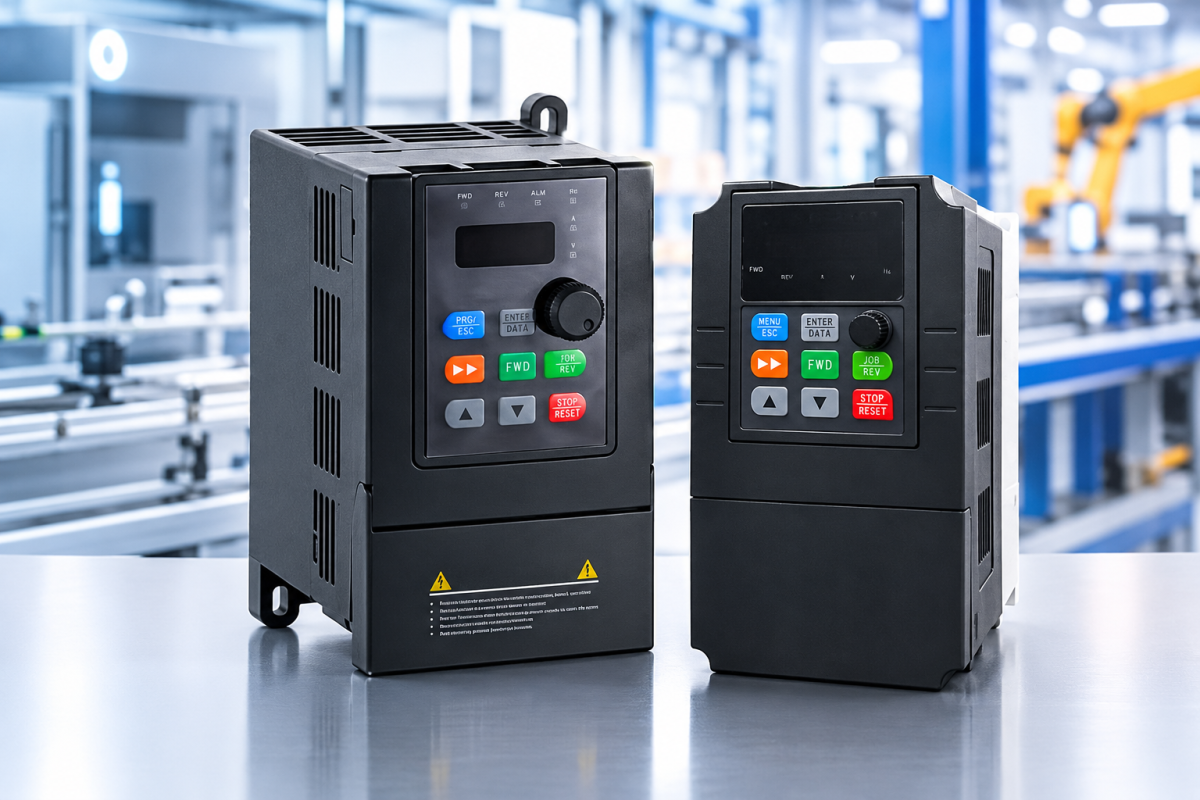
Single phase output inverters play an important role in modern power conversion systems by converting direct current (DC) electricity into alternating current (AC) electricity suitable for a wide range of electrical devices. They are commonly used in solar power systems, backup power supplies, small commercial installations, and off-grid applications where a stable AC power source is required.
How Do Single Phase Output Inverters Work?
A single phase output inverter converts DC power from sources such as batteries, solar panels through a suitable power system, or DC power supplies into single-phase AC power. Through electronic switching and control circuits, the inverter generates an AC waveform at the required voltage and frequency. Depending on the model, its output may use a pure sine wave or a modified waveform.
Pure sine wave inverters are often preferred for sensitive electronics, household appliances, and equipment containing motors because their output more closely resembles utility-grid electricity. Selecting the appropriate waveform helps ensure compatibility with the connected loads and supports reliable operation.
Key Benefits of Single Phase Output Inverters
One major advantage of single phase output inverters is their versatility. They can supply power to lighting, computers, televisions, communication equipment, and many other devices, provided the inverter's voltage, frequency, waveform, and power capacity meet the equipment's requirements.
Efficiency is another important consideration. A well-designed inverter minimizes conversion losses, helping make better use of the available DC energy. Many models also incorporate protective functions such as overload, overtemperature, short-circuit, and low-voltage protection. These features can help protect the inverter and connected equipment when used according to the manufacturer's instructions.
Compact designs and straightforward installation also make single phase output inverters practical for residential systems, mobile applications, and small-scale commercial installations.

Choosing the Right Inverter for Your Needs
Before purchasing a single phase output inverter, evaluate the total power consumption of the connected devices and account for the higher starting power required by some appliances and motors. Check the DC input voltage, AC output voltage, operating frequency, continuous power rating, and surge capacity. Battery compatibility, cooling requirements, installation conditions, and available monitoring or protection features should also be considered.
For solar applications, determine whether the inverter is designed for off-grid, grid-connected, or hybrid operation. These systems have different functions and installation requirements, so the inverter must match the intended power configuration.
Supporting More Reliable Power Conversion
As demand grows for flexible and dependable electricity solutions, single phase output inverters continue to serve as valuable components in residential, commercial, and renewable energy systems. By converting DC electricity into usable AC power, they help support essential electrical loads and expand the ways stored or generated energy can be used.
Choosing a frequency inverter with suitable electrical specifications, appropriate protective features, and sufficient power capacity can improve system performance and help provide dependable power for everyday applications.












Comments (0)