

What Is Kratom Extract? Understanding Its Ingredients, Types, and Potential Effects
Kratom extract is a concentrated preparation derived from Mitragyna speciosa leaves. Its different formats, extraction methods, and alkaloid concentrations distinguish it from traditional kratom powder.
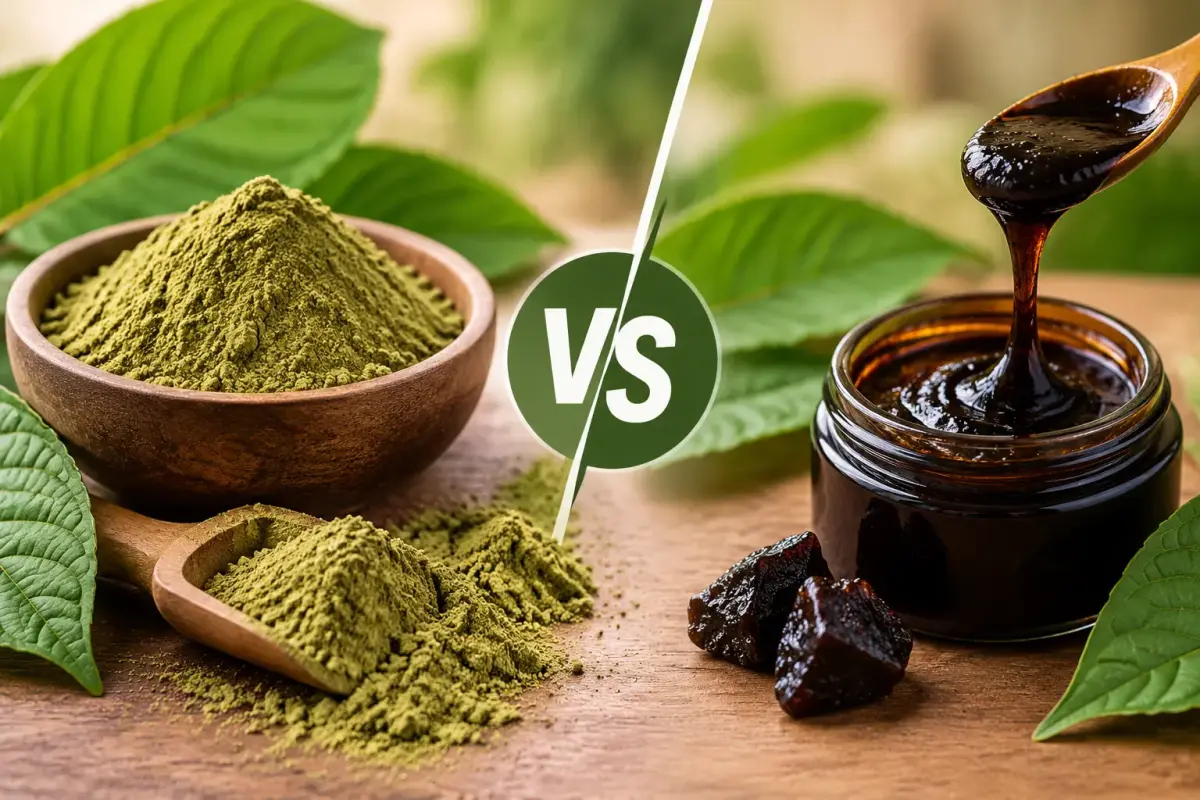
Kratom has attracted growing attention because of its naturally occurring alkaloids and traditional use in Southeast Asia. Alongside traditional leaf powder, another product category has become increasingly discussed: kratom extract. These concentrated preparations differ from ordinary kratom leaves in their production methods, chemical composition, and alkaloid content. Understanding what kratom extract is, how it is produced, and what potential risks it carries provides useful context when researching botanical products.
What Is Kratom Extract?
Kratom extract is a concentrated preparation made from the leaves of Mitragyna speciosa, a tropical evergreen tree native to Southeast Asia. The plant contains several naturally occurring alkaloids, including mitragynine and 7-hydroxymitragynine.
Unlike traditional kratom powder, which consists of dried and ground leaves, extracts undergo processing to separate and concentrate certain plant compounds. The resulting preparations may contain higher concentrations of selected alkaloids.
Their chemical composition depends on the plant material, extraction methods, and manufacturing processes involved.
How Is Kratom Extract Produced?
The production of kratom extract generally involves separating selected compounds from the plant's leaves.
Manufacturers may use different extraction techniques involving solvents, filtration, and concentration. After extraction, the resulting material may undergo additional processing to create a liquid, powdered, or other formulation.
The quality and chemical composition can vary considerably between manufacturers. Processing methods also influence which compounds remain in the final preparation.
Different Types of Kratom Extract
Kratom extracts appear in several commercial formats.
Liquid extracts: These preparations contain extracted plant compounds in a liquid formulation. Their ingredients and concentrations vary between products.
Powdered extracts: These are concentrated preparations processed into a dry form. They may contain higher levels of selected alkaloids than ordinary leaf powder.
Standardised extracts: Some manufacturers describe their products as standardised according to a particular alkaloid concentration. Independent laboratory testing is important when evaluating these claims.
Full-spectrum extracts: These products are marketed as containing multiple naturally occurring kratom compounds rather than focusing exclusively on one isolated alkaloid.
These descriptions identify product formats and composition claims, not established safety levels.
What Makes Kratom Extract Different From Kratom Powder?
The main difference involves concentration and processing.
Traditional kratom powder contains the natural mixture of compounds found in dried leaves. Extracts undergo additional processing to concentrate selected plant constituents.
Consequently, their alkaloid profiles may differ substantially. A concentrated extract should not automatically be considered equivalent to traditional leaf powder.
This distinction is particularly important when researching products containing concentrated 7-hydroxymitragynine.
Understanding Kratom's Active Compounds
Mitragynine is generally the most abundant alkaloid in kratom leaves. It interacts with several receptor systems and contributes to the plant's pharmacological properties.
7-hydroxymitragynine occurs naturally in much smaller quantities but has particularly strong opioid-like activity through its interaction with mu-opioid receptors.
Both compounds have attracted scientific interest, although important questions about their long-term effects and safety remain unanswered.
Potential Health Risks of Kratom Extract
Concentrated kratom preparations raise several health concerns. Potential adverse effects include nausea, dizziness, constipation, drowsiness, and physical dependence.
Other concerns include:
-
Tolerance following repeated exposure.
-
Withdrawal symptoms after stopping.
-
Possible liver-related complications.
-
Interactions with prescription medications.
-
Respiratory depression associated with concentrated opioid-like compounds.
Combining kratom products with alcohol, opioids, benzodiazepines, or other sedating substances may increase the risk of serious complications.
Why Product Quality and Testing Matter
Kratom extracts can differ considerably in their chemical composition. Manufacturing quality, ingredient transparency, and contamination are important considerations.
Independent laboratory testing may help identify alkaloid concentrations, heavy metals, microbial contamination, and certain unwanted substances. However, testing does not guarantee that a product is safe for consumption.
Consumers should also consider applicable local regulations because kratom's legal status differs between countries and regions.
Final Thoughts
Understanding these differences is essential when researching botanical extracts. Although kratom contains naturally occurring compounds, its concentrated preparations carry potential health risks, including dependence and adverse drug interactions. Reliable scientific information and transparent product documentation remain important when evaluating this category.

Nothing Good Comes Easy
















Comments (0)