

Why Early Booth Planning Matters for Las Vegas Trade Show Exhibitors
Early booth planning helps Las Vegas trade show exhibitors manage budgets, finalize booth designs, coordinate shipping, and schedule installation without last-minute stress.

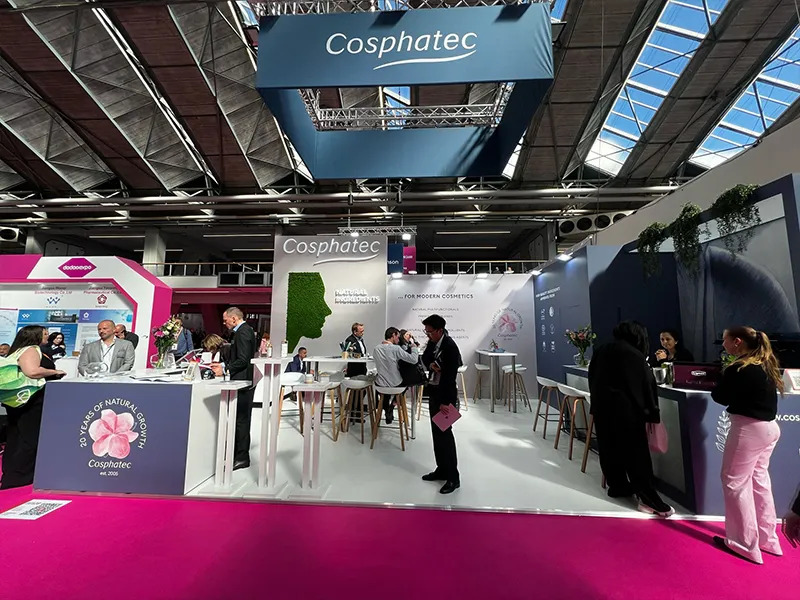
A great trade show does not start on the show floor. It starts months earlier, with a clear plan, a solid timeline, and the right vendors.
If you exhibit in Las Vegas, early planning matters even more. The reason is not a magic savings number. It is the order of things. Your design must be approved before anyone builds it. The build must be done before the freight deadline. Electrical, rigging, and labor orders have cutoff dates. And your setup has to fit into a tight move-in window.
Las Vegas adds extra pressure. The venues are huge, freight rules are strict, and every show has its own exhibitor manual. Whether you hire one of the Trade Show Booth Builders in USA for a custom build or book Las Vegas exhibit Rentals, one missed date can mean rush fees, limited service, and a stressful install.
Know the Venues Before You Plan
Las Vegas has some of the biggest venues in the country. The Las Vegas Convention Center (LVCC) is the best known. But Mandalay Bay Convention Center, The Venetian Expo, and Caesars Forum stay busy too. Each one runs on firm rules and tight schedules.
The Las Vegas convention center calendar is full all year. One show moves out and the next one moves in. Service contractors have very little room to bend for late requests.
Here are a few real deadlines to show you what I mean:
-
LVCC booth plans may need to reach Safety and Fire Prevention at least 30 days before the first move-in day.
-
The LVCC Building User's Manual asks for final rigging plans 14 days before move-in.
-
At The Venetian Convention & Expo Center, guaranteed electrical labor start times need at least 48 hours of notice.
Say your show opens on June 20 and you want a rigged hanging sign. You would want rigging plans ready well before June 6. That means your design must be final even earlier, because the sign has to be engineered first. Working backward like this shows you how early your real start date is.
Without early planning, a trade show booth builder Las Vegas cannot get these approvals in time. That can leave you with a delayed setup or a structure that gets turned down.
Step 1: Get Your Design and Builder Right
Start by deciding what your booth needs to do. Will you hold meetings? Run product demos? Capture leads? Build brand awareness? Write it down. EXHIBITOR Magazine suggests setting your exhibit goals and choosing a provider before you finalize the design. That way, the structure serves your goals instead of a rushed deadline.
Here is a simple tip. Write a one-page brief before you call anyone. List your goals, booth size, budget range, and must-have features. Builders can then give you better quotes, and you spend less time on back-and-forth emails.
Starting early also gives you time to compare options. Talk to several of the Trade Show Booth Builders in the USA. Look at their past work and call their references. Ask whether a custom build or a Trade Show Booth Rental in the USA fits your budget and how often you exhibit. If you want fresh ideas on look and layout, a Trade Show Booth Design Company in the USA can help you shape the concept before you commit.
When you rush, you often pick whoever is free, not whoever is the best fit. Many providers also charge for design changes, material swaps, and scope changes made after the agreed dates. So lock the design early. It gives you a buffer between the idea, your sign-off, engineering, and production.
Step 2: Protect Your Full Budget
Your budget is more than the booth itself. It also covers graphics, freight, advance warehouse handling, install and dismantle labor, electrical, internet, rigging, furniture, cleaning, and travel. Plan early, and you can get itemized quotes and set money aside for the costs that tend to jump.
Also ask each vendor what happens if you change your mind. Some charge by the hour for edits. Some charge a flat change fee. Knowing this early helps you avoid surprises on the final invoice.
Advance pricing at a venue always comes with conditions. Take Edlen Electrical's paperwork for CONEXPO-CON/AGG 2026. To get advance electrical rates, you needed a complete order, full payment, and a scaled floor plan, all in by a set date. Orders that came in later paid regular rates.
This is where a trade show booth design company las vegas helps. If you hire one months ahead, your floor plans are ready in time to catch those lower rates. That protects you from late order premiums you could have avoided.
Freight, Drayage, and the Advance Warehouse
Logistics confuses a lot of first-time exhibitors. The International Association of Exhibitions and Events (IAEE) lists freight as one of the top priorities of any show. The first thing to understand is that freight and drayage are two different things.
Freight is paying a carrier to get your booth to Las Vegas. Drayage, also called material handling, is moving that freight from the loading dock to your booth space. Once your shipment reaches the venue, the official show contractor takes over. GES manuals describe material handling as an onsite service billed for freight unloaded from the truck and delivered to your booth.
Why the Advance Warehouse Helps
Official contractors recommend the advance warehouse for a reason. It separates your shipping from the crowded move-in days at the show site. Your crates arrive early, wait safely, and get delivered to your booth at your assigned move-in time.
Here is a real example. The AHR Expo Las Vegas manual gave exhibitors a window from December 30 to January 22 to send freight to the Freeman advance warehouse. Anything that showed up after January 22 faced extra charges.
If you use Trade Show Exhibit Rentals in the USA or manage your own custom build, mark these dates on your calendar. Missing them can mean rejected shipments and costly penalties.
Big Booths Need Even More Lead Time
The bigger and more complex your booth, the earlier you need to start. The 2026 rules for CONEXPO-CON/AGG show why. Floor plans for exhibits of 1,000 square feet or more were due November 3, 2025. The same went for double-deck structures, outdoor signs, electric vehicles, machinery extensions, and hanging signs. The show took place in March 2026, so that deadline came months ahead.
Exhibitor Appointed Contractor (EAC) registration and valid insurance certificates were due January 16, 2026.
The lesson is simple. Engineering, safety checks, and contractor approvals must be done long before a truck leaves for Nevada. Booth planning is not just a design task.
Test Everything Before You Ship
Early planning lets you set up and test your tech before the show. Your booth needs power drops, internet, audio and video gear, and working demos, and they all have to work together.
Once your trade show booth design company Las Vegas finalizes the structure, you have time to confirm power needs, screen inputs, and software. A test before shipping shows problems while you can still fix them.
Skip testing, and you may arrive to a demo that fails: too little amperage, missing adapters, or weak internet. Any of these can hurt your return on investment.
Get Your Team Ready
Your booth is just a place for people to meet. Your staff and your follow-up plan matter just as much. Think of this as part of your trade show marketing guide.
EXHIBITOR Magazine research found something worrying. In 2010, 82 percent of surveyed companies trained staff on leads. By 2015, only 67 percent did. Untrained staff and messy lead capture mean good contacts go cold right after the show.
Planning early lets you match the booth layout with staff schedules, lead scoring rules, CRM fields, and who owns each follow-up. Experts suggest setting tiered goals before the show opens. Contact hot leads within three days, medium leads within two weeks, and cold leads within six months.
How Much Time Do You Need?
It depends on the type of booth.
-
Custom and large booths: Islands, two-story builds, heavy machinery, and complex rigging need 6 to 12 months. Design, engineering, and approvals must be done well before venue and contractor deadlines.
-
Modular and rental booths: If you choose Las Vegas trade show booth rental, you can often work with 3 to 6 months. You still must meet the show's deadlines for graphics, advance freight, electrical layouts, and rigging plans.
-
Small booths: Even a small inline booth needs early planning. Drayage minimums, labor rates, internet fees, and late penalties do not shrink with booth size. A late electrical order for a 10x10 booth carries the same percentage penalty as one for a huge island.
Rentals are not a shortcut around planning. A good rental still needs your graphics approved, your freight booked, and your power ordered. Many marketing managers lose a week just waiting on artwork. Ask your rental partner for a graphics deadline on day one, and send files early.
Your Trade Show Exhibitor Checklist
Use this trade show exhibitor checklist and plan backward. Start with the official move-in date. Find the freight deadlines. Map every service cutoff. Then work back from there.
6 to 12 Months Out: Strategy and Space
-
Set the booth's main goal, target audience, and demo needs.
-
Build a budget with lines for space, design, graphics, freight, drayage, labor, electrical, AV, and a contingency fund.
-
Book your space early. Prime spots often need big deposits.
-
Name one person to own the whole project.
4 to 6 Months Out: Vendors and Design
-
Ask several builders for itemized proposals, timelines, and revision policies.
-
Compare custom builds with rentals based on budget, reuse, and how often you exhibit.
-
Read the official exhibitor manual at kickoff.
-
Confirm booth size, height limits, setback rules, and special feature approvals for your Las Vegas venue.
3 to 4 Months Out: Approvals and Orders
-
Finalize the design. Set written dates for reviews, final approval, and a change order cutoff.
-
Do not start fabrication until drawings, artwork, and tech needs are fully approved.
-
Send scaled floor plans for rigging, electrical, and plumbing to the official contractors to get advance rates.
2 to 3 Months Out: Freight and Logistics
-
Decide between the advance warehouse and direct-to-site shipping, based on the current manual.
-
Mark the freight window, material handling deadline, and your target move-in time.
-
Keep freight costs and drayage costs separate in your vendor scope.
4 to 8 Weeks Out: Testing and Staff Prep
-
Run a full test of AV gear, screens, and demos before packing the crates.
-
Send EAC registrations and insurance certificates to the show organizer.
-
Set the staff schedule, pick lead capture tools, and build the CRM follow-up flow.
The Final Weeks: Move-In and Backup Plans
-
Ship to the advance warehouse inside the window and confirm they received it.
-
Pack a spares kit with extra cables, power supplies, a graphics repair kit, and tools.
-
Bring approved drawings, order confirmations, tracking numbers, and vendor contacts.
-
Name one team member to fix onsite issues, watch the install, and handle the final inspection.
Final Thoughts
Running a smooth show in Las Vegas is a project management job. Know your hard deadlines, read the exhibitor manuals, and plan backward. You will protect your budget, avoid stress on site, and spend your time talking to the people you came to meet.












Comments (0)