

Are Supermarket Cleaning Services Worth It for Small and Large Retail Stores?
Discover how supermarket cleaning services benefit small and large retail stores, support hygiene, improve customer experience, and help manage cleaning costs.

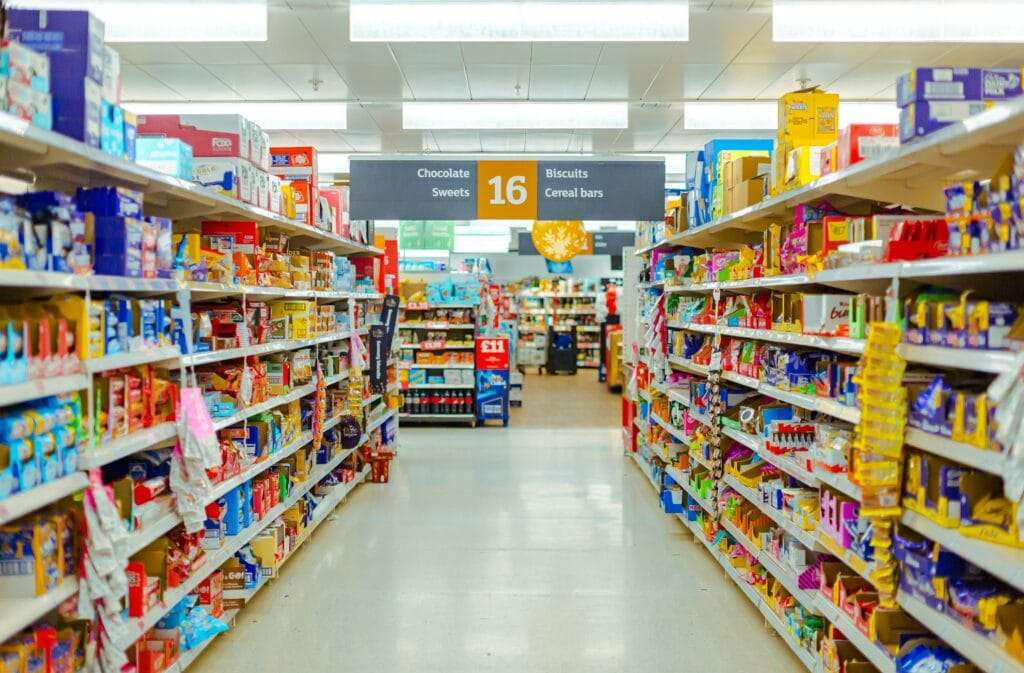
A clean supermarket creates a better shopping experience for customers and a healthier working environment for employees. People visit supermarkets to buy food, household items, drinks, and other daily essentials. They expect the store to look fresh, smell pleasant, and remain clean throughout the day. Dirty floors, dusty shelves, overflowing bins, and untidy shopping areas can make customers feel uncomfortable and affect their impression of the business.
Keeping a supermarket clean is not always easy. Customers move through the store all day, products are handled by many people, and food areas can become dirty quickly. Spills may happen without warning, shopping baskets need regular attention, and floors can collect dust and dirt from shoes. These tasks require regular care, proper cleaning methods, and enough time to complete them correctly.
This is where supermarket cleaning services can make a difference. Professional cleaning support can help small shops and large retail stores maintain cleanliness without placing all the work on their regular employees. However, business owners may wonder whether the cost is worth it. The answer depends on the size of the store, daily customer traffic, cleaning needs, budget, and the level of service required.
Are Supermarket Cleaning Services Worth It for Small and Large Retail Stores?
Supermarket cleaning services can be a useful investment for both small and large retail businesses because they help maintain clean floors, shelves, customer areas, and staff facilities. A clean store can make shopping more comfortable, support good hygiene practices, and help employees focus on their main responsibilities. The value of professional cleaning depends on how well the service matches the store's actual needs.
Benefits for Small Retail Stores
Small supermarkets often have limited space and fewer employees. Staff members may need to handle customer service, stock shelves, manage payments, and check deliveries. Adding all cleaning tasks to their daily workload can make it difficult to complete every responsibility on time.
Professional cleaning support can help small store owners manage these tasks more effectively. Depending on the service plan, cleaners may take care of floor cleaning, dust removal, washroom maintenance, rubbish collection, and other regular duties.
A small store may not need cleaning staff on site all day. Instead, the owner may choose scheduled cleaning before opening, after closing, or during quieter hours. This allows the business to maintain a clean environment without paying for more cleaning time than necessary.
Benefits for Large Retail Stores
Large supermarkets usually have more customers, wider aisles, additional storage areas, and different departments. Some stores include fresh food sections, bakery counters, refrigerated displays, staff rooms, and customer washrooms. Each area can have different cleaning requirements.
Managing these areas with a small internal team can be challenging. Professional cleaning services can provide a planned approach that helps keep the whole store clean and reduces the chance of important areas being overlooked.
Large retail stores may also benefit from dividing cleaning tasks into daily, weekly, and periodic activities. For example, visible spills and busy floors may need attention throughout the day, while deeper cleaning of selected areas can be scheduled outside peak shopping hours.
Creating a Better Shopping Experience
Customers often notice the condition of a store before they notice anything else. Clean entrances, tidy aisles, fresh-smelling washrooms, and well-maintained floors can help customers feel more comfortable while shopping.
When a store looks dirty, customers may become less confident about its general cleanliness. Even if the products are good, poor cleaning can create an unpleasant impression.
Regular cleaning helps maintain a welcoming environment. It can also make it easier for customers to move around the store, find products, and complete their shopping without unnecessary discomfort.
Supporting Hygiene in Food Areas
Supermarkets sell products that people use in their homes, including fresh food and packaged groceries. Areas where food is displayed, stored, or handled need suitable cleaning practices.
Cleaning teams should use methods and products appropriate for each surface and area. Food-contact surfaces may require specific cleaning and sanitising procedures, while floors, windows, shelves, and washrooms have different needs.
Cleaning alone does not replace safe food handling, temperature control, or other food safety procedures. However, a well-planned cleaning routine supports the wider hygiene practices needed in a supermarket.
Reducing the Workload on Employees
Supermarket employees already have important duties, such as helping customers, arranging products, checking stock, and operating checkout counters. If they must complete extensive cleaning tasks as well, they may have less time for these responsibilities.
Using a dedicated cleaning service can help divide the workload more clearly. Employees can focus on their assigned jobs while cleaning staff handle agreed cleaning duties.
This arrangement should still include clear instructions about immediate spills, broken products, and other situations that require quick action. Staff and cleaners should know who is responsible for each task so that problems are handled without delay.
Helping Maintain Floors and Fixtures
Supermarket floors receive constant foot traffic. Dust, dirt, moisture, and small pieces of packaging can collect throughout the day. Without regular care, some flooring materials may become stained or look worn.
Shelves, counters, glass displays, and entrance areas also collect dust and fingerprints. Cleaning these surfaces regularly helps maintain their appearance and makes the store easier to manage.
The correct method depends on the material being cleaned. Using unsuitable chemicals or too much water can damage some surfaces, so cleaning procedures should match the floor type, fixture material, and manufacturer's care instructions.
Improving Safety for Customers and Staff
Spills, wet floors, loose rubbish, and blocked walkways can create hazards in a busy supermarket. Prompt cleaning and suitable warning signs can help reduce the risk of slips and falls.
A good cleaning plan should explain how spills will be reported, who will respond, and how the area will be kept safe during cleaning. Staff should never leave a wet floor without appropriate precautions.
Professional cleaning can support safer conditions, but it cannot guarantee that accidents will never happen. Regular inspections, employee awareness, maintenance, and clear safety procedures are also important.
How Can You Decide Whether Supermarket Cleaning Services Are Worth the Cost?
Supermarket cleaning services are worth considering when the time saved, cleaning quality, and practical benefits justify the cost for your store. Before choosing a service, assess how much cleaning your business needs, which tasks are most important, and whether your current arrangements are meeting those needs.
Compare the Cost With Your Current Cleaning Method
Start by reviewing how your store currently handles cleaning. Calculate the cost of employee time spent on cleaning, cleaning products, equipment, rubbish handling, and any additional expenses. If you already employ dedicated cleaners, include their wages and the cost of managing their work.
Next, request a clear quote based on your store's size and requirements. Compare the total cost of professional cleaning with your existing arrangement.
Do not compare prices alone. Consider the tasks included, cleaning frequency, staff availability, equipment, supplies, and any extra charges. A lower price may not offer the coverage your store needs, while a more expensive plan may include unnecessary services.
Choose a Cleaning Schedule That Fits Your Store
Every supermarket has different cleaning needs. A small neighbourhood shop may need a short cleaning visit each day, while a busy supermarket may require regular attention throughout operating hours.
Consider the busiest times, the number of customers, and the areas that become dirty most quickly. You may need daily floor cleaning, regular washroom checks, and more frequent attention to food-related areas.
Some tasks can be completed before opening or after closing. Others, such as cleaning spills, removing rubbish, and addressing visible dirt, may need attention while the store is open.
A flexible schedule helps ensure that cleaning takes place when it is most useful without disrupting customers or staff.
Check Which Tasks Are Included
Before agreeing to a cleaning plan, ask for a written list of services. This should make it clear which areas are covered and how often each task will be completed.
Depending on your needs, the service may include:
-
Sweeping, vacuuming, and mopping floors.
-
Cleaning entrances and customer walkways.
-
Dusting shelves and accessible surfaces.
-
Cleaning glass doors and display areas.
-
Emptying rubbish bins and managing waste according to store procedures.
-
Cleaning staff rooms and office areas.
-
Maintaining customer and staff washrooms.
-
Responding to agreed spill-cleaning requirements.
-
Performing scheduled deeper cleaning where needed.
Some tasks may require separate arrangements, special equipment, or additional charges. Confirm these details before the service begins.
Consider the Size and Layout of Your Store
The size of a supermarket affects the time and resources needed for cleaning. However, floor area is not the only factor. A smaller store with heavy foot traffic and several food sections may need more frequent attention than a larger store with fewer customers.
The layout also matters. Narrow aisles, storage areas, multiple entrances, and busy checkout zones may require extra planning. Special flooring or delicate display surfaces may need specific cleaning products and methods.
Ask the cleaning provider to assess the store and recommend a plan based on its actual condition and daily use. This can help prevent paying for a service that is either too limited or more extensive than necessary.
Review Cleaning Quality Regularly
Hiring a cleaning service is only useful if the agreed work is completed to a suitable standard. Store managers should regularly check floors, washrooms, entrances, shelves, and other important areas.
A simple checklist can help track whether tasks are completed on time. It can also help managers identify repeated problems, such as dirty corners, missed bins, or areas that become wet too often.
Discuss any concerns clearly and agree on how they will be addressed. Regular communication helps keep expectations realistic and makes it easier to adjust the cleaning plan when store conditions change.
Think About Cleaning Products and Equipment
Cleaning products and equipment should suit the surfaces and tasks involved. Ask what products will be used, how they will be stored, and what precautions are followed during cleaning.
In food-related areas, procedures should protect food and packaging from contamination. Chemicals should be used according to their labels, and cleaning equipment should be maintained properly to avoid spreading dirt from one area to another.
Equipment should also be appropriate for the size and layout of the store. The right tools can help cleaning teams work efficiently while reducing unnecessary disruption.
Calculate the Long-Term Value
The value of cleaning services is not limited to how the store looks on one day. Regular care may help maintain floors, fixtures, and other surfaces by preventing dirt from building up over time.
A planned service can also make cleaning responsibilities clearer and reduce the need for staff to handle every task themselves. However, savings are not automatic. They depend on the contract, service quality, store conditions, and how effectively the work is managed.
Review the arrangement after an agreed period. Check whether cleanliness has improved, whether important tasks are being completed, and whether the cost matches the results. Adjust the schedule or service list if your needs change.
Start With the Most Important Areas
If your budget is limited, you do not need to arrange every possible cleaning task at once. Begin by identifying the areas that require the most attention, such as entrances, busy aisles, checkout zones, food sections, and washrooms.
You can then add less frequent tasks, such as detailed cleaning of selected fixtures or storage areas, according to your budget and store requirements.
This approach can help small retailers manage costs while maintaining essential cleaning routines. Larger supermarkets can also use it to organise work across different departments.
Final Thoughts
Supermarket cleaning services can be worthwhile for both small and large retail stores when the service is planned around real cleaning needs. A suitable arrangement can help maintain cleaner floors, tidy shelves, comfortable customer areas, and better-organised cleaning responsibilities.














Comments (0)