

Digestive Ease After Endoscopic Balloon Extraction
Discover how Endoscopic Balloon Extraction in Dubai may support digestive ease after removal, including recovery tips, eating guidance, and signs needing medical care.

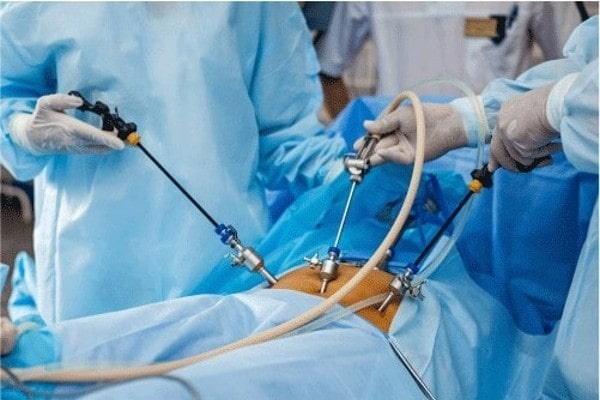
Digestive discomfort can be frustrating, especially after having a gastric balloon removed. Endoscopic Balloon Extraction in Dubai is designed to remove the balloon through an endoscopic procedure, and many patients are relieved to return to a more comfortable digestive routine afterward. Understanding what happens after removal can make the recovery period feel more predictable and help you recognize which digestive changes are part of normal adjustment.
Why Digestive Comfort May Change After Balloon Removal
A gastric balloon occupies space inside the stomach and can influence how quickly food moves through the digestive system. While it is in place, some people experience fullness, nausea, reflux, bloating, or changes in eating habits.
After removal, the stomach is no longer accommodating the balloon. This physical change may allow eating patterns and digestive sensations to gradually return closer to the person's usual baseline.
However, digestive comfort does not necessarily return instantly. The stomach and upper digestive tract may need some time to adjust after the procedure, particularly if they were irritated or sensitive beforehand.
The recovery experience can vary depending on how long the balloon was in place, the individual's digestive health, and how the removal procedure was performed.
What to Expect During Early Recovery
Following Endoscopic Balloon Extraction, some temporary digestive symptoms can occur. These may include mild bloating, abdominal discomfort, nausea, or changes in appetite.
Patients are commonly advised to follow their healthcare provider's instructions about eating and drinking immediately after the procedure. Starting gradually can give the digestive system time to settle.
Depending on the sedation or anesthesia used, patients may initially feel tired or less interested in food. Once cleared to eat and drink, gentle progression toward a regular diet may help support a comfortable transition.
During this period, it can be helpful to:
- Drink fluids according to your provider's instructions.
- Start with foods that are easy to tolerate.
- Eat smaller portions rather than rushing into large meals.
- Chew food thoroughly.
- Pay attention to symptoms that become stronger rather than improving.
The goal is not to force the digestive system back to its previous routine immediately. A gradual approach can make the transition more comfortable.
How Endoscopic Balloon Removal Can Support Digestive Ease
For some patients, balloon removal brings relief from symptoms associated with having a device inside the stomach. Feelings of excessive fullness, pressure, or certain forms of stomach discomfort may decrease once the balloon is gone.
This does not mean every digestive symptom will disappear immediately. Existing conditions such as acid reflux, gastritis, food intolerance, or other gastrointestinal concerns may continue independently of the balloon.
The benefits of Endoscopic Balloon Extraction in Dubai should therefore be considered in the context of the patient's overall digestive health. A qualified medical professional can assess symptoms and determine whether they are likely related to the balloon, the extraction procedure, or another underlying issue.
Another important factor is eating behavior. During balloon treatment, patients may become accustomed to smaller portions because the balloon creates a feeling of fullness. After removal, appetite and portion tolerance can change, making it useful to maintain mindful eating habits.
Eating Comfortably After Gastric Balloon Extraction
Returning to normal eating should generally be approached according to the instructions provided by the treating medical team. There is no single recovery diet that works identically for everyone.
If your healthcare provider permits a gradual return to regular foods, focus on balanced meals and moderate portions rather than immediately returning to heavy or very large meals.
Foods that are particularly rich, spicy, greasy, or difficult to digest may be less comfortable for some people during early recovery. If a particular food repeatedly causes discomfort, discuss it with your healthcare provider rather than assuming it is simply part of recovery.
Good eating habits after balloon removal can include:
- Eat slowly: Give your stomach time to respond to food.
- Use smaller portions: Increase portion sizes gradually if comfortable.
- Stay hydrated: Follow your clinician's recommendations for fluid intake.
- Choose balanced meals: Include appropriate sources of protein, vegetables, whole grains, and other nutritious foods as tolerated.
- Avoid overeating: The absence of the balloon does not mean the stomach should immediately handle very large meals.
These habits can also help patients maintain the nutritional and lifestyle benefits they developed while using the gastric balloon.
When Digestive Symptoms Need Medical Attention
Mild and temporary digestive changes may occur after balloon removal, but significant or worsening symptoms should not simply be ignored.
Contact your healthcare provider if symptoms are persistent, severe, or noticeably getting worse. Your medical team can determine whether additional evaluation is necessary.
Seek prompt medical attention for concerning symptoms such as:
- Severe or increasing abdominal pain
- Persistent vomiting
- Difficulty keeping fluids down
- Significant bleeding
- Fever or chills
- Severe weakness or fainting
- Breathing difficulties
- Other symptoms that your provider specifically warned you about
Following the aftercare instructions given by the clinic is particularly important because your medical team knows your procedure details and medical history.
Maintaining Digestive Comfort After Recovery
Once the initial recovery period has passed, maintaining digestive comfort becomes closely connected to everyday habits. The removal of a gastric balloon does not automatically guarantee that every digestive concern will disappear.
Regular meals, appropriate portions, adequate hydration, and mindful eating can help establish a sustainable routine. Patients who previously relied on the balloon for portion control may also benefit from continuing the behavioral strategies learned during treatment.
It is equally important to distinguish digestive comfort from weight-management goals. After balloon removal, appetite may feel different because the physical space-occupying effect of the balloon is no longer present. Continuing healthy eating and activity habits can help support long-term results.
Follow-up appointments can also be useful. Your healthcare provider can evaluate your recovery, discuss any persistent symptoms, and provide personalized recommendations based on how your digestive system is responding.
Conclusion
Digestive ease after balloon removal can be an important part of feeling comfortable and confident in your normal routine again. Endoscopic Balloon Extraction removes the temporary gastric device, while a gradual return to eating, appropriate hydration, and following professional aftercare guidance can support a smoother digestive transition. If you experience unusual, severe, or worsening symptoms, contacting your healthcare provider promptly is the safest approach.
Frequently Asked Questions
1. Is bloating normal after gastric balloon removal?
Some temporary bloating or abdominal discomfort may occur after the procedure. If bloating is severe, persistent, or accompanied by other concerning symptoms, contact your healthcare provider.
2. When can I return to my normal diet after balloon extraction?
The timing varies from person to person and depends on the procedure and individual recovery. Follow your treating clinician's specific instructions about when and how to progress your diet.
3. Will digestive symptoms improve after gastric balloon removal?
Some symptoms associated with having the balloon in the stomach may improve after removal. However, symptoms caused by unrelated digestive conditions may continue and should be assessed by a healthcare professional.
4. How can I maintain digestive comfort after balloon removal?
Eating slowly, choosing appropriate portions, staying adequately hydrated, and following your provider's dietary recommendations can help support digestive comfort during recovery and beyond.








Comments (0)