

Spine Surgery in India: Treatment Options, Preparation and Recovery Guide
Explore Spine Surgery in India, including treatment options, diagnosis, hospital selection, preparation, recovery, costs, and international patient support from HealthRoop.
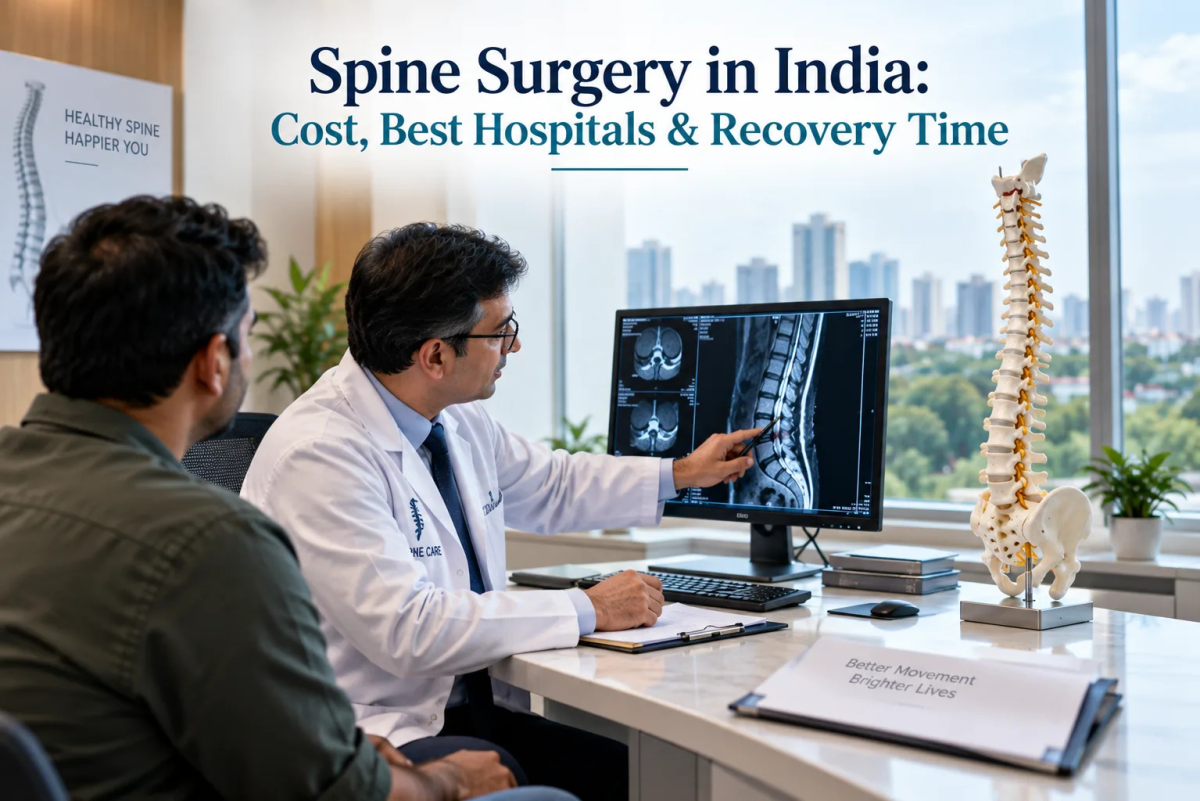
Back and neck problems can range from temporary discomfort to conditions that interfere with walking, working, sleeping, or everyday movement. In some situations, medication, physiotherapy, exercise, or other non-surgical approaches may provide sufficient relief. However, when there is significant nerve compression, structural damage, instability, or another condition requiring surgical intervention, a spine specialist may recommend an operation.
For patients travelling from another country, Spine Surgery in India involves both medical planning and practical preparation. Understanding the available procedures, diagnostic process, hospital stay, recovery expectations, and follow-up arrangements can help patients prepare more effectively.
HealthRoop assists international patients with healthcare coordination, including connecting them with hospitals and specialists, arranging consultations, communicating treatment information, and supporting medical travel planning.
Understanding the Cause of Spinal Problems
Spinal symptoms can have many different causes. A patient may experience pain because of a damaged disc, narrowing around the spinal nerves, an injury, a deformity, or another underlying condition.
Symptoms can include:
- Persistent back or neck pain
- Pain extending into an arm or leg
- Tingling or numbness
- Muscle weakness
- Difficulty walking
- Reduced range of movement
- Balance problems
The presence of these symptoms does not automatically mean that surgery is necessary. A specialist first needs to establish the underlying cause and determine whether an operation is appropriate.
Why Diagnosis Comes Before Surgery
A successful treatment plan begins with an accurate diagnosis. Doctors may review the patient's symptoms, medical history, previous treatments, and neurological findings.
Imaging can provide additional information about the spine. Depending on the case, the doctor may request an MRI, CT scan, X-ray, or another investigation.
International patients should bring previous diagnostic images and reports whenever possible. These records can help the specialist understand how the condition has developed and what treatment has already been attempted.
Surgical and Non-Surgical Treatment
Spine specialists generally consider the full range of appropriate treatment options before recommending surgery.
Depending on the condition, treatment may include medication, physiotherapy, activity modification, injections, or other conservative approaches.
Surgery may become an option when conservative treatment has not provided adequate improvement or when the underlying condition requires an operation.
The decision should be based on the patient's individual circumstances rather than simply choosing surgery because it is available.
Different Procedures for Different Conditions
There is no single operation called spine surgery. The procedure depends on the specific problem affecting the patient.
Discectomy
This procedure removes a portion of a damaged or herniated disc that may be pressing against a nerve. It can be considered in selected cases where disc material is responsible for significant symptoms.
Decompression Surgery
Decompression aims to create more space for a compressed nerve or the spinal cord. Different surgical techniques can be used depending on the location and cause of the compression.
Spinal Fusion
Fusion is designed to stabilise part of the spine by joining selected vertebrae. Surgical hardware may be used to maintain alignment while the fusion develops.
Laminectomy
A laminectomy removes part of the vertebral bone to provide additional space within the spinal canal. It may be performed as part of treatment for certain conditions involving spinal stenosis or nerve compression.
Deformity Correction
Some patients have spinal curvature or other structural abnormalities that require specialised surgical planning. The complexity of these procedures can vary significantly.
Minimally Invasive Techniques
Some spinal procedures can be performed using minimally invasive techniques. These approaches generally use smaller incisions and specialised instruments.
However, minimally invasive surgery is not automatically the best choice for every patient. The appropriate technique depends on the diagnosis, anatomy, previous operations, and goals of treatment.
A specialist should explain why a particular surgical approach has been selected.
Selecting the Right Hospital
International patients often compare several hospitals before travelling to India. Cost can be one consideration, but it should not be the only one.
Patients may want to consider:
- Experience with their specific spinal condition
- Availability of spine specialists
- Diagnostic facilities
- Intensive care support
- Operating room facilities
- Rehabilitation services
- Infection-control practices
- Post-operative monitoring
- International patient coordination
- Follow-up arrangements
It is also useful to ask whether the hospital can provide a detailed treatment estimate before travel.
Getting a Specialist Opinion From Home
International patients do not always need to travel immediately for their first consultation. In many cases, medical records can be shared with a hospital or specialist for an initial review.
A remote consultation can help patients understand whether further investigations may be required and what the next steps could involve.
However, an online review cannot always replace a physical examination. The final treatment recommendation may change after the patient is evaluated in person.
Preparing for Your Journey to India
Medical travel requires organisation. Patients should prepare their medical reports, passport, visa documentation, hospital correspondence, prescriptions, and other relevant paperwork before departure.
A separate digital backup of important records can also be useful.
Patients should discuss their planned travel with their healthcare provider, particularly if they have severe symptoms, mobility limitations, or another condition that could affect the journey.
What Happens After Reaching India?
After arriving at the hospital, the patient may undergo additional tests or a fresh clinical examination.
The medical team may review previous scans and compare them with current findings. Additional investigations can be recommended if older information is incomplete or if the patient's condition has changed.
Once the evaluation is complete, the surgeon can discuss the proposed procedure, expected hospitalisation, possible risks, and recovery process.
Patients should have an opportunity to ask questions before giving informed consent.
Hospital Stay and Immediate Recovery
The length of hospitalisation varies according to the operation and the patient's condition.
After surgery, the medical team may monitor pain, mobility, neurological status, wound condition, and other aspects of recovery.
Some patients may be encouraged to start gentle movement relatively soon, while more extensive procedures may require a different rehabilitation plan.
The surgeon and physiotherapy team will provide instructions appropriate to the individual procedure.
Rehabilitation After Surgery
Recovery does not necessarily finish when the patient leaves the hospital.
Physiotherapy may be recommended to improve strength, mobility, flexibility, and functional movement. The rehabilitation programme depends on the surgery and the patient's overall condition.
Patients returning to another country should ask for clear written instructions about exercises, restrictions, medicines, wound care, and follow-up appointments.
If possible, arrangements can be made with a healthcare professional in the patient's home country for continued rehabilitation.
Understanding the Financial Commitment
The price of spine surgery can differ substantially between cases. There is no universal treatment cost because the final expense depends on several variables.
These can include:
- Surgical procedure
- Complexity of the case
- Hospital category
- Surgeon's fees
- Anaesthesia
- Diagnostic tests
- Implants or surgical hardware
- Medicines
- Room charges
- Length of hospital stay
- Rehabilitation
- Additional treatment if complications occur
International patients should request a written estimate and ask the hospital which services are included.
Travel expenses should also be considered separately, including accommodation, flights, local transportation, food, and caregiver expenses.
Planning for the Return Journey
Patients should not decide their return date solely according to their flight booking. The treating doctor should determine when travelling is medically appropriate.
Before leaving India, patients should ideally have:
- Follow-up instructions
- Prescriptions
- Medical summary
- Copies of relevant reports
- Information about warning signs
- Rehabilitation guidance
- A planned follow-up schedule
Patients should know whom to contact if they experience concerns after returning home.
How HealthRoop Can Help
For patients exploring Spine Surgery in India, managing hospital communication and travel arrangements from another country can be challenging.
HealthRoop helps international patients coordinate the non-clinical aspects of their medical journey. This may include collecting medical records for review, coordinating specialist consultations, communicating with hospitals, assisting with treatment estimates, and helping organise travel-related requirements.
The platform's role is to support coordination. Diagnosis, surgical decisions, medical treatment, and post-operative care remain the responsibility of qualified healthcare professionals.
Questions Worth Asking Your Spine Surgeon
Before proceeding with surgery, patients can discuss important questions with their specialist:
- What is the exact diagnosis?
- What is causing the symptoms?
- Is surgery the only suitable option?
- What procedure is being recommended?
- What are the alternatives?
- What are the major risks?
- How long could recovery take?
- Will physiotherapy be necessary?
- How long should I remain in India?
- What follow-up will be needed after returning home?
A detailed conversation can help patients understand what they are agreeing to and prepare for recovery.
Final Thoughts
Choosing Spine Surgery in India requires more than comparing hospitals or treatment prices. Patients should first obtain an appropriate diagnosis and discuss all reasonable treatment options with a qualified spine specialist.
For international patients, early preparation can make the process smoother. Organising medical records, obtaining specialist opinions, understanding the proposed operation, planning the hospital stay, and arranging follow-up care are all important parts of medical travel.
HealthRoop can help international patients coordinate consultations and practical arrangements while they focus on receiving appropriate medical care.
Medical Disclaimer: This article is intended for general information and should not be considered medical advice. The need for spine surgery, choice of procedure, risks, and recovery period vary between individuals. Patients should consult a qualified spine specialist for an assessment of their specific condition.

HealthRoop connects global patients with India's top hospitals and specialists for high-quality, affordable healthcare. Our services include treatment coordination, hospital selection, online consultations, medical visa assistance, travel planning, accommodation, language support, and post-treatment care. Visit Now:- https://healthroop.com/











Comments (0)