

Handling Property Administration More Efficiently
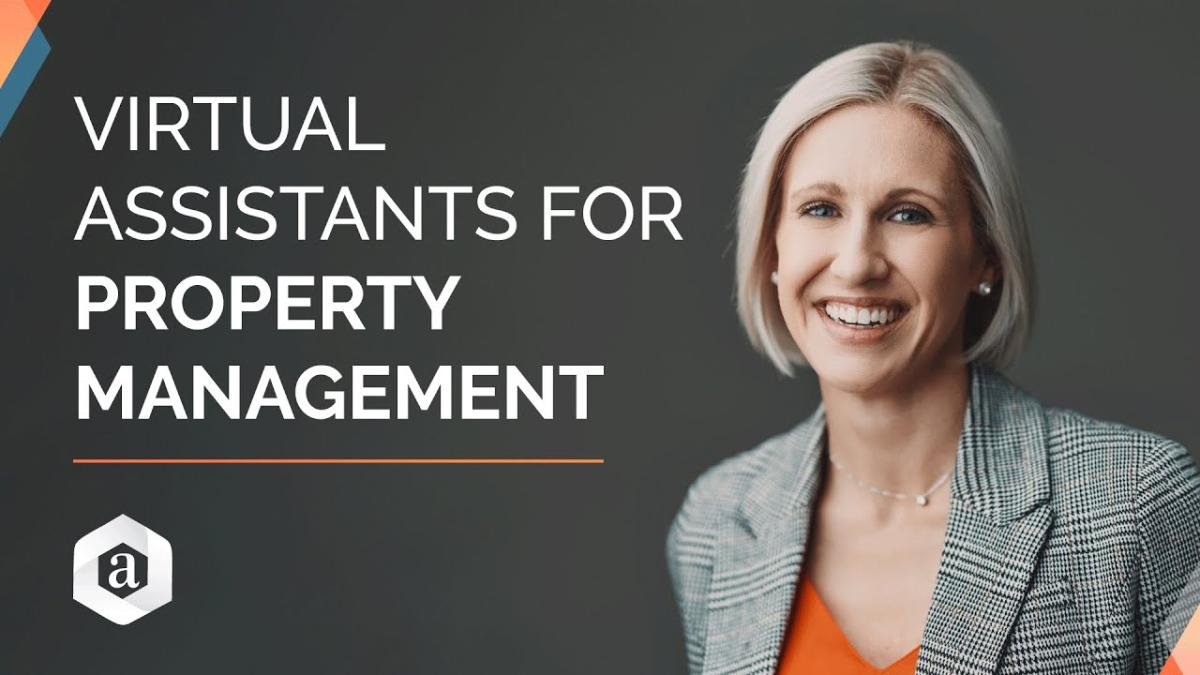
Managing rental properties involves much more than collecting rent and responding to tenant questions. Property managers regularly handle documentation, appointment scheduling, maintenance coordination, rental inquiries, and communication with property owners. These responsibilities can become difficult to balance when several properties require attention at the same time. A property management virtual assistant can help with recurring administrative activities remotely, giving property management teams additional support with their everyday operations.
Maintaining Accurate Property Databases
Property management companies need access to current information about their buildings, rental units, ownership details, availability, and property features. When information is stored across different spreadsheets and platforms, updating records can become challenging. Remote assistants can help maintain property databases, enter approved details, organize digital files, and update information according to company instructions. Keeping records structured makes it easier for team members to find the details they need.
Handling Rental Inquiries and Messages
Prospective tenants and existing residents may contact property managers through email, phone messages, website forms, or other communication channels. Managing these inquiries requires regular attention, especially when a company handles multiple locations. Remote assistants can help sort incoming messages, record inquiry details, share approved information, and forward complex questions to the appropriate staff members. This creates a more organized approach to everyday communication.
Coordinating Applications From Prospective Tenants
Rental applications involve several administrative steps, including collecting submitted information, organizing identification documents, and maintaining applicant records. A remote assistant can help arrange application files, update tracking sheets, and identify incomplete documentation using company-provided checklists. Property managers can then review the information and make decisions about screening, eligibility, and tenancy according to their established policies.
Keeping Maintenance Requests Documented
Repairs and maintenance concerns are common in rental property operations. Tenants may report plumbing problems, electrical issues, appliance faults, or general building maintenance requirements. A remote assistant can record incoming requests, categorize reported issues, update maintenance logs, and coordinate appointment details with approved contractors. Emergency decisions and technical assessments should remain with the responsible management personnel and qualified service providers.
Providing Administrative Assistance Through WAGS
WAGS World-Class Assistant & Global Support provides remote support for businesses that need help with ongoing administrative responsibilities. Property management companies can identify recurring tasks that require additional attention and establish instructions for completing them. Support can be arranged around existing property management systems, communication channels, document procedures, and scheduling requirements. This approach allows companies to maintain their internal processes while assigning suitable administrative work remotely.
Organizing Tenancy Agreements and Important Dates
Rental agreements contain information that property management teams may need to access throughout a tenancy. Documents should be stored properly, and important dates such as agreement start dates, expiration dates, and scheduled renewals may need to be tracked. Remote assistants can help maintain document folders, update administrative records, and prepare reminders based on instructions. Legal questions and decisions about contractual terms should be directed to qualified professionals.
Recording Rent and Payment Updates
Rental operations involve regular financial administration. Management teams may need to maintain payment records, organize transaction confirmations, and update information about rental accounts. Remote assistants can support approved data entry and document organization within the company's financial procedures. Payment approvals, account adjustments, and decisions involving overdue balances should remain with authorized personnel.
Arranging Property Visits and Appointments
Property viewings, inspections, contractor visits, and meetings with owners require careful scheduling. A remote assistant can maintain appointment calendars, record availability, send routine reminders, and communicate confirmed scheduling details. When changes occur, the assistant can update the relevant records according to company instructions. Organized scheduling can help reduce confusion and keep property-related appointments easier to manage.
Maintaining Relationships With Service Providers
Property managers frequently communicate with contractors and external service providers who handle cleaning, landscaping, plumbing, electrical work, and other maintenance activities. A remote assistant can organize vendor contact information, maintain service records, document appointment arrangements, and file relevant correspondence. These administrative records can help management teams locate supplier information and review previous service activity when necessary.
Updating Rental Advertisements and Property Details
Rental listings require accurate information about property features, availability, rental terms, and viewing arrangements. Remote assistants can help prepare listing details, organize photographs, update approved descriptions, and maintain information across selected advertising platforms. Property managers should review important listing information before publication to ensure that the details reflect the actual property and current rental arrangements.
Managing Records Across Digital Platforms
Property management software can bring together tenant information, rental documents, maintenance records, and communication histories. However, these platforms still require regular updates and organized administration. Remote professionals can help enter approved information, maintain digital records, and organize documents within authorized systems. Businesses should provide suitable training and access permissions before assigning work through their software.
Supporting Communication With Property Owners
Property owners may request updates about rental activity, maintenance matters, inspections, or administrative arrangements. Remote assistants can help prepare requested documents, organize reports, maintain communication records, and forward messages to the relevant property manager. WAGS can be contacted at team@hirewags.com to discuss administrative support requirements and suitable responsibilities for remote assistance.
Managing Increasing Property Portfolios
When a company adds more rental units or takes responsibility for additional buildings, its administrative workload usually increases. More tenants, agreements, inquiries, inspections, and service requests create additional information to manage. Remote assistance can help businesses handle suitable recurring tasks as their property portfolios expand. WAGS World-Class Assistant & Global Support is available at (772) 247-0269 for businesses interested in discussing their support requirements.
Conclusion
Successful property management depends on organized records, timely communication, properly documented maintenance requests, and consistent administrative processes. A property management virtual assistant can assist with rental inquiries, application documentation, tenant records, scheduling, property listings, vendor information, and routine payment administration. WAGS World-Class Assistant & Global Support can provide remote assistance based on established company procedures, helping property management teams handle everyday administrative responsibilities while focusing on property operations and important management decisions.
HireWags provides reliable Property Management Virtual Assistants to handle tenant communication, rent reminders, maintenance requests, property listings, appointment scheduling, and administrative tasks. We help property managers save time, stay organized, and manage their properties more efficiently.














Comments (0)