

How to Choose Between Part-Time and Full-Time Preschool in Roselle, NJ

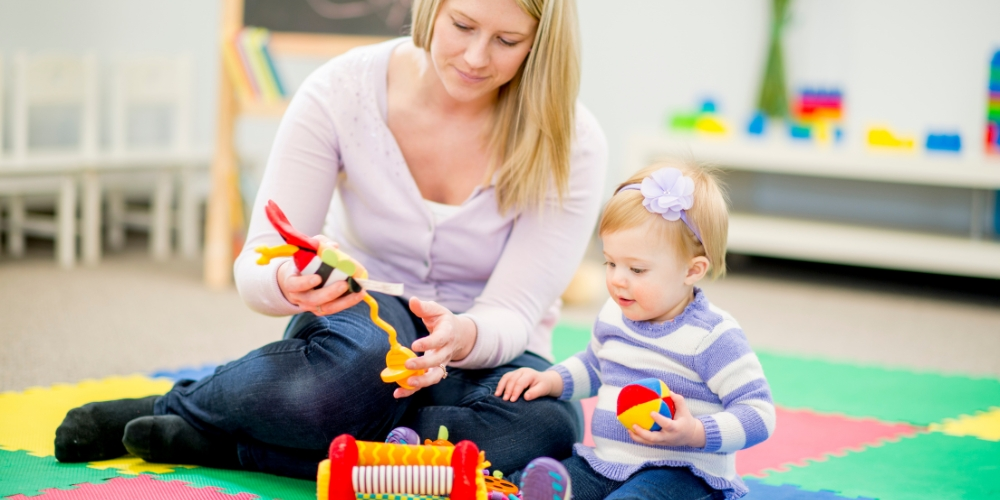
Choosing the right preschool is an important step in your child's early education. Preschool helps children develop social skills, build confidence, explore new interests, and prepare for kindergarten. However, parents must consider several factors before selecting a program, including their child's needs, family schedule, budget, and the amount of time they can spend at school.
For families looking for Preschool Roselle NJ, one of the main decisions is whether to choose a part-time or full-time program. Both options provide opportunities for learning and development, but they differ in daily schedules, classroom experiences, and childcare arrangements.
Understanding these differences can help parents make a choice that suits their family. By comparing the benefits of each option, you can find a preschool program that supports your child's growth while fitting into your daily routine.
Understanding Part-Time Preschool
Part-time preschool allows children to attend school for a few hours a day or on selected days each week. Depending on the school, children may attend morning sessions, afternoon classes, or a limited number of days.
This option is suitable for families who want to introduce their children to a structured learning environment without committing to a full school day. It gives children time to interact with teachers and classmates while leaving room for family activities and rest.
Part-time preschool usually includes activities such as storytelling, drawing, music, creative play, and simple learning exercises. These activities help children improve their communication skills, learn to share, and become comfortable following classroom routines.
A shorter schedule can also help children who are new to group learning. They have time to adjust to being away from home and learn how to interact with other children at a comfortable pace.
However, part-time preschool may not provide enough childcare for parents who work full-time. Families may need to arrange additional care or adjust their schedules to manage school drop-offs and pickups.
Understanding Full-Time Preschool
Full-time preschool provides a longer school day and a more consistent daily routine. Children usually spend several hours at school participating in learning activities, creative play, meals, rest periods, and social interactions.
This option can be helpful for working parents who need dependable childcare during the day. It can also provide children with more time to explore different activities and become familiar with classroom expectations.
A longer schedule allows teachers to include a variety of experiences throughout the day. Children can practise early language and maths skills, take part in group activities, play with classmates, and develop greater independence.
Daily routines also help children learn practical skills, such as putting away their belongings, washing their hands, following instructions, and preparing for different activities.
However, a full-time program may not suit every child. Some children need more time to adjust to school or may become tired during longer sessions. Parents should look for a program that balances learning with play, rest, and emotional support.
1. Consider Your Child's Age and Needs
Your child's age, personality, and developmental stage are important factors when choosing a preschool schedule.
Some children enjoy being around other children and quickly become comfortable in a classroom. Others may feel nervous about leaving their parents or joining new activities. Understanding your child's behaviour can help you choose a suitable starting point.
Part-time preschool may be a good option for children who are attending school for the first time. Shorter sessions give them an opportunity to become familiar with their teachers, classmates, and surroundings without spending the entire day away from home.
Children who enjoy structured activities and feel comfortable in group settings may adjust well to full-time preschool. A consistent routine can help them build confidence and develop independence.
Still, age alone should not determine your decision. Consider your child's energy levels, comfort with separation, communication skills, and ability to manage changes throughout the day.
When researching Preschool Roselle Nj, ask how teachers help new students settle into the classroom. A supportive environment can make the transition easier, regardless of the schedule you choose.
2. Consider Your Family's Daily Routine
Your family's daily routine can help determine whether part-time or full-time preschool is more practical.
Parents who work from home, have flexible working hours, or stay home during the day may find part-time preschool convenient. It gives children time to learn and socialise while leaving room for family responsibilities and other activities.
Full-time preschool may be more suitable for parents who work regular business hours or have long commutes. A longer school day can reduce the need to arrange separate childcare before or after preschool.
When comparing schedules, consider the entire day rather than classroom hours alone. Think about getting your child ready in the morning, travelling to school, managing work commitments, and collecting your child at the end of the day.
Ask each school about arrival and pickup times, extended care options, and policies for late pickups. These details can help you decide whether a particular schedule will work for your household.
The right preschool should support your child's development without making everyday responsibilities unnecessarily difficult for your family.
3. Compare Learning Opportunities
Both part-time and full-time preschool can provide valuable learning experiences. The quality of teaching and the activities offered are often more important than the number of hours a child spends at school.
Part-time programs introduce children to early learning through stories, art, music, puzzles, and guided play. These activities encourage curiosity and help children develop basic communication, problem-solving, and social skills.
Full-time programs may provide more time to explore topics in different ways. For example, children learning about shapes might identify them in a story, build structures with blocks, and draw pictures using different shapes.
The additional time can allow teachers to revisit ideas and give children more opportunities to practise new skills. However, the quality of these experiences depends on the school's curriculum and teaching approach.
When comparing Preschool Roselle NJ programs, ask how teachers plan lessons and support children's progress. Look for a balanced approach that includes play, creative activities, movement, and age-appropriate learning.
A good preschool should encourage children to ask questions, explore their surroundings, and learn at a pace that matches their development.
4. Think About Social Skills and Friendships
Preschool provides children with opportunities to make friends, communicate with others, and learn how to participate in a group.
In a part-time program, children can practise sharing toys, taking turns, listening to classmates, and expressing their feelings. These experiences are particularly useful for children who have had limited opportunities to interact with peers.
Full-time preschool offers more time for children to interact with classmates and teachers. Regular contact may help them become familiar with others, build friendships, and feel more comfortable during group activities.
Children also learn how to handle small disagreements, work together, and respect different needs with guidance from their teachers.
However, the number of hours spent at school does not automatically determine how well a child develops social skills. Teacher support, classroom size, and the overall environment also matter.
When visiting a preschool, observe how teachers encourage cooperation and help children resolve disagreements. Choose a school where children are treated with patience and respect.
5. Compare Tuition and Other Costs
Preschool fees are another important consideration for families. Full-time programs generally cost more overall because they provide care for longer hours or more days each week. Part-time programs may offer a more affordable option for families who need fewer hours of childcare.
However, tuition is not the only expense to consider. Registration fees, meals, supplies, transportation, and extended care may increase the total cost.
Parents should also consider whether a part-time schedule will require additional childcare. Although the preschool fees may be lower, paying for another caregiver could reduce the savings.
Ask each school for a clear breakdown of its fees and the services included in the tuition. You can then compare the total cost of both options and decide which one fits your budget.
It is also worth asking about payment plans, sibling discounts, or financial assistance if these options are available.
Choosing a preschool should involve balancing cost with the quality of care, learning opportunities, and convenience for your family.
6. Visit the Preschool Before Enrolling
Online research can help you create a shortlist, but visiting a preschool gives you a better understanding of the learning environment.
During your visit, look at the classrooms, play areas, learning materials, and general cleanliness. Observe how teachers communicate with children and whether students seem comfortable participating in activities.
Ask about teacher qualifications, supervision, safety procedures, daily routines, and communication with parents. You should also find out how the school manages meals, rest periods, outdoor play, and children's individual needs.
Another useful question is whether part-time and full-time students follow the same curriculum. Some schools may organise their activities differently depending on the age group or schedule.
When evaluating Preschool Roselle NJ options, choose a school that answers your questions clearly and explains how it supports children's learning and well-being.
If possible, visit during regular classroom hours. Seeing how teachers and children interact can help you decide whether the school feels right for your family.
7. Ask About Flexible Scheduling
Some preschools offer more than the usual part-time and full-time options. Depending on availability, families may be able to choose a few full days each week, shorter daily sessions, or programs with extended care.
These arrangements can be helpful for parents with changing work schedules or children who need time to adjust to a new environment.
For example, a family may prefer several days of attendance each week instead of sending a child to school for a full day every weekday. Another family may need longer hours to manage work and transportation.
Before enrolling, ask whether the school allows schedule changes and whether additional fees apply. You should also check whether changing the schedule later depends on classroom availability.
Understanding these options in advance can help you choose a program that meets your current needs while allowing some flexibility if your circumstances change.
Making the Right Choice for Your Child
Choosing between part-time and full-time preschool comes down to your child's needs and your family's daily responsibilities.
Part-time preschool may suit children who benefit from shorter sessions and families with flexible schedules. Full-time preschool can be a practical choice for working parents and children who enjoy a consistent routine with more time for learning and social activities.
Neither option is automatically better for every child. The quality of teaching, classroom environment, daily activities, and emotional support should all influence your decision.
Take time to compare schools, ask questions about their programs, and review their schedules and fees. Consider how your child responds to new environments and whether the school can provide the right balance of learning, play, and rest.
A thoughtful decision can help your child feel comfortable at school and develop skills that support future learning.
Final Thoughts
Finding the right preschool is about choosing a place where your child can learn, play, make friends, and develop confidence. Whether you select part-time or full-time attendance, look for a program that understands children's individual needs and maintains open communication with families.
For parents exploring educational opportunities in the area, Little Einstein's Academy is another option to consider. You can learn more about the academy's educational approach and available programs through our online presence. Before enrolling, contact the school directly to confirm our location, current schedule options, age groups, and admission requirements.
You can also visit our academy's Google Business Profile to find business information and explore available details before making an inquiry.
Ultimately, the best preschool is one that fits your child's developmental needs and your family's routine. By comparing your options carefully, you can choose a supportive learning environment that helps your child build a strong foundation for the years ahead.













Comments (0)