

How to Select a High-Quality Copper Bonded Electrode for Electrical Safety

Introduction
Choosing the right earthing material is an important decision in electrical construction and infrastructure development. The selected electrode must meet the project's technical requirements while offering suitable mechanical strength, electrical properties, and resistance to environmental deterioration.
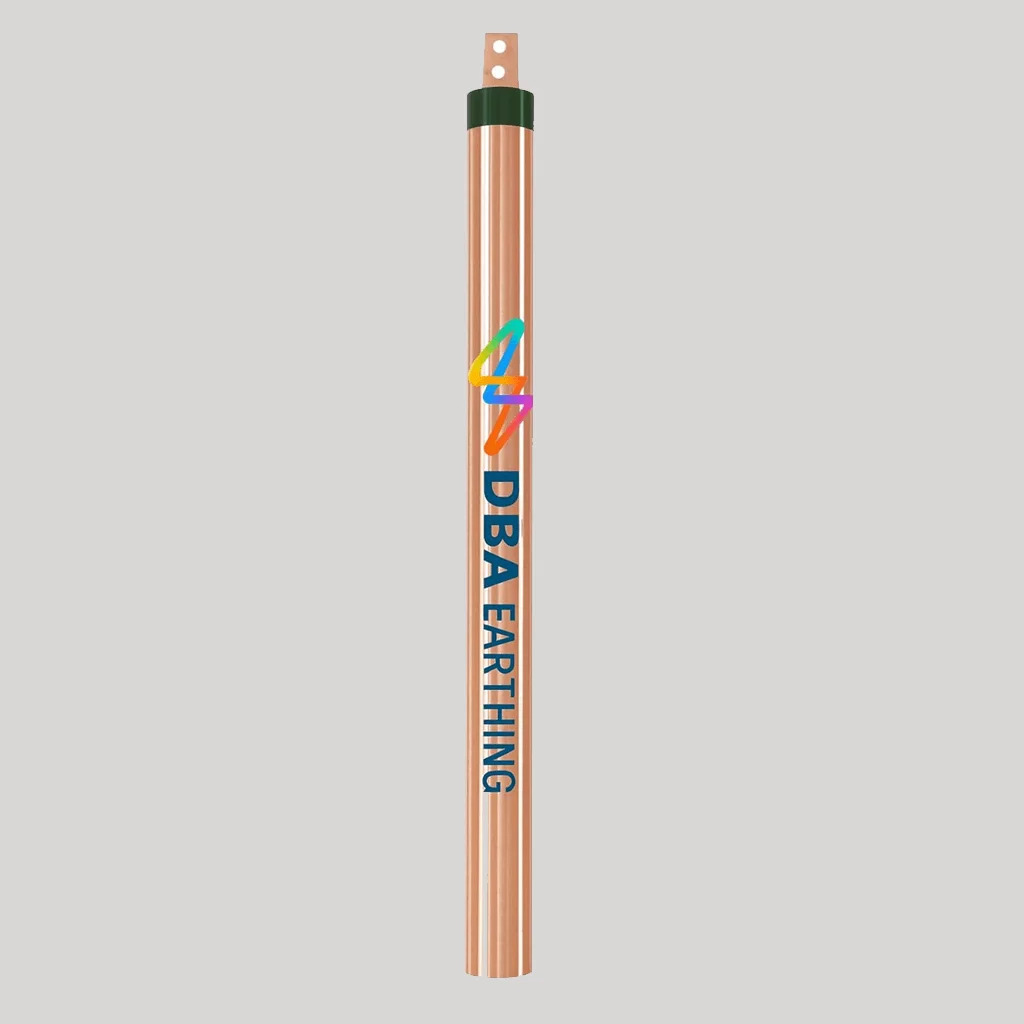
Copper Bonded Electrodes are commonly considered for applications that require a copper-coated steel grounding component. However, not all products have identical specifications or manufacturing quality.
Understanding the important selection criteria can help electrical contractors, engineers, procurement professionals, and project developers choose an appropriate product.
1. Check the Copper Coating Thickness
The copper coating is one of the most important characteristics of a copper bonded electrode. It provides the conductive outer surface and contributes to corrosion protection.
A suitable coating thickness should be specified according to the project requirements and applicable standards.
Buyers should request documented coating measurements instead of relying only on general product descriptions. Uniformity across the electrode is also important because inconsistent coating can affect durability.
2. Examine the Bonding Quality
The copper layer should remain securely bonded to the steel core throughout the electrode's expected service life.
Poor bonding may increase the risk of separation or deterioration, particularly during installation and long-term exposure to soil conditions.
Manufacturers should be able to provide information about their bonding process and relevant quality-control testing.
3. Evaluate the Steel Core
The steel core provides the mechanical strength of the electrode. Its dimensions and material quality influence the electrode's ability to withstand installation-related stresses.
A suitable core should match the product's technical specifications and intended application.
Buyers should verify the diameter, length, material properties, and manufacturing consistency before placing an order.
4. Consider Soil Resistivity
Soil resistivity is an important factor when designing a grounding system. It describes how strongly the soil resists the flow of electrical current.
Different soil types can produce different grounding conditions. Rocky, sandy, dry, or highly resistive soil may require different electrode arrangements compared with moist, conductive soil.
A soil resistivity survey helps engineers select suitable grounding components and determine the required electrode configuration.
5. Review Corrosion Resistance
Copper bonded electrodes are designed with a copper exterior that can provide corrosion protection when manufactured correctly.
However, the actual service life depends on environmental conditions, coating quality, soil chemistry, and installation practices.
For installations in highly corrosive environments, additional engineering assessment may be necessary. The possibility of galvanic corrosion should also be considered when different metals are connected.
6. Verify Product Dimensions
Copper bonded electrodes are available in various lengths and diameters. The correct dimensions depend on the electrical design and site conditions.
Longer electrodes may be useful when suitable soil layers are available at greater depths, but the best configuration must be established through engineering assessment.
Selecting a product solely because it is longer or thicker does not guarantee better grounding performance.
7. Check Manufacturing Standards and Quality Documents
Product documentation helps buyers understand whether an electrode meets the required technical specifications.
Before approving a supplier, consider requesting:
-
Technical data sheets.
-
Copper coating thickness information.
-
Electrode dimension specifications.
-
Material composition details.
-
Relevant test reports.
-
Applicable certifications and compliance documents.
-
Installation instructions.
-
Product warranty information, where offered.
The applicable standards should be checked against the project's requirements and the exact electrode design.
8. Select Compatible Accessories
A grounding installation may require connecting clamps, couplers, conductors, inspection chambers, and other accessories.
These components should be compatible with the selected electrode and designed for the environmental conditions.
Using unsuitable connection materials can increase the risk of loose joints, corrosion, and electrical continuity problems.
9. Consider the Supplier's Experience
The supplier plays an important role in the procurement process. Buyers should evaluate product consistency, technical support, manufacturing capabilities, documentation, and delivery reliability.
A knowledgeable manufacturer should be able to explain product specifications and help customers identify suitable options for different applications.
DBA Earthing can be considered when researching earthing products and suppliers. Customers should review its available product information and confirm the exact specifications before making a purchase decision.
10. Plan Testing and Maintenance
After installation, the grounding system should be tested by qualified personnel. Earth resistance measurements and continuity checks help determine whether the completed installation meets the approved design requirements.
Maintenance should include periodic inspections, testing, and examination of accessible connections. Any unexpected changes in performance should be investigated.
Maintaining accurate test records also helps electrical maintenance teams evaluate the condition of the grounding system over time.
Common Mistakes to Avoid When Buying Copper Bonded Electrodes
Some common procurement mistakes include:
-
Selecting products based only on their price.
-
Ignoring copper coating specifications.
-
Not checking the bonding quality.
-
Overlooking soil resistivity.
-
Purchasing incompatible accessories.
-
Ignoring applicable technical standards.
-
Skipping installation and post-installation testing.
Avoiding these mistakes can help improve procurement decisions and reduce problems during installation.
Conclusion
Selecting a high-quality Copper Bonded Electrode requires attention to coating thickness, bonding quality, steel core construction, soil conditions, dimensions, and product documentation. A suitable product should be selected according to the requirements of the complete grounding system rather than individual specifications alone. With careful supplier evaluation, professional installation, and regular testing, electrical projects can establish dependable grounding arrangements that support long-term safety and reliability.















Comments (0)