

Palatal Expander Dubai: Modern Treatment for Jaw Development and Better Oral Function

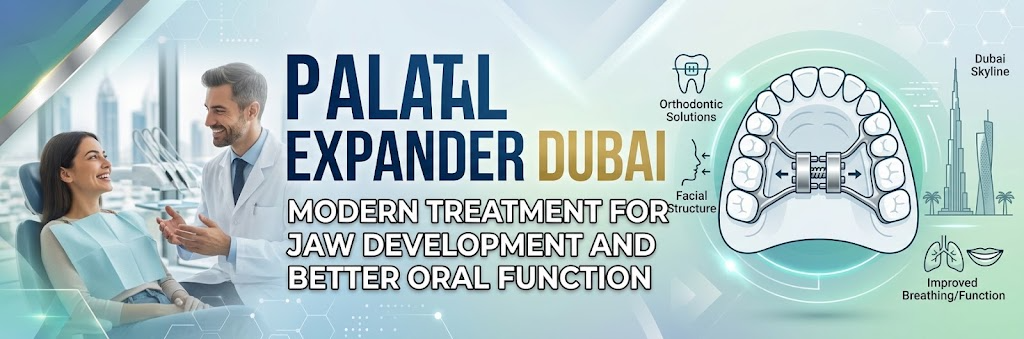
A well-developed upper jaw plays an important role in healthy bite alignment, comfortable chewing, speech, and overall oral function. When the upper jaw is too narrow, it can contribute to crowding, crossbite, and other orthodontic concerns. Palatal Expander Dubai treatment is an orthodontic approach designed to gradually widen the upper jaw and create additional space for the teeth to develop or align properly.
At AQR Orthodontics, palatal expansion begins with a detailed orthodontic assessment to determine whether an expander is appropriate. The treatment plan depends on factors such as age, jaw development, dental alignment, and the specific orthodontic concern being addressed.
What Is a Palatal Expander?
A Palatal Expander Treatment In Dubai is an orthodontic appliance used to gradually expand the upper dental arch. It applies controlled pressure to the palate and upper jaw area, helping increase the width of the upper arch.
A narrow upper jaw can sometimes cause the upper teeth to bite inside the lower teeth, creating a condition known as a posterior crossbite. Expansion may also be considered when there is insufficient space for permanent teeth or when the upper and lower arches do not fit together properly.
The type of expander and the treatment approach are selected according to the patient's individual needs rather than using the same appliance for everyone.
Who May Benefit From Palatal Expansion?
Palatal expansion is commonly considered for children and teenagers while the upper jaw is still developing, although certain expansion approaches may also be suitable for adults following an orthodontic evaluation.
Your orthodontist may discuss Palatal Expander Treatment In Dubai if you have concerns such as:
- A narrow upper jaw
- Posterior crossbite
- Dental arch width discrepancy
- Crowding caused by limited arch space
- Poor coordination between the upper and lower dental arches
- Certain developmental orthodontic problems
Not every patient with crowded teeth requires a palatal expander. A comprehensive examination is important before deciding whether expansion is suitable.
How Does Palatal Expander Treatment Work?
During treatment, the orthodontist places the selected expander in the upper arch. Depending on the appliance, it may be activated according to a specific schedule provided by the orthodontic team.
The appliance applies gradual, controlled forces that encourage the upper arch to widen. The amount and speed of expansion vary between patients. Younger patients may respond differently from adults because jaw development and the maturity of the palatal structures change with age.
Regular appointments allow the orthodontist to monitor progress and make adjustments when necessary. Once the desired expansion has been achieved, the appliance may remain in place for a period to help stabilize the result.
What to Expect During Treatment
Getting used to a palatal expander can take some time. Patients may initially notice pressure or mild discomfort, particularly after activation. Temporary changes in speech, increased saliva, or difficulty eating certain foods can also occur while the mouth adjusts to the appliance.
Good oral hygiene is particularly important because food particles can collect around the expander. Following your orthodontist's cleaning instructions can help maintain healthy teeth and gums throughout treatment.
Most patients gradually become more comfortable with the appliance as they adjust to it.
Benefits of Palatal Expansion
The purpose of palatal expansion is not simply to make the upper jaw wider. Properly planned expansion can help address the relationship between the upper and lower arches and create a more suitable environment for orthodontic alignment.
Potential benefits may include:
- Improved correction of certain crossbites
- Better coordination between the upper and lower arches
- Additional space for developing teeth in selected cases
- Improved dental arch proportions
- Support for a more balanced orthodontic treatment plan
The expected benefits depend on the patient's individual anatomy and the reason for treatment. An orthodontist can explain what expansion may accomplish in your particular case.
Why Professional Assessment Matters
Palatal expansion is not a one-size-fits-all procedure. Age, jaw structure, dental development, bite relationship, and the severity of the orthodontic problem all influence treatment planning.
A professional assessment may include clinical examination, photographs, digital scans, X-rays, or other diagnostic records when appropriate. These records help the orthodontist understand the relationship between the teeth and jaws before recommending treatment.
If you are considering Palatal Expander Dubai treatment for yourself or your child, an orthodontic consultation is the appropriate first step. The orthodontist can determine whether expansion is necessary and discuss alternative treatment options when appropriate.
Palatal Expander Treatment In Dubai
Choosing an orthodontic clinic with a structured approach to diagnosis and treatment can make the process easier to understand. At AQR Orthodontics, treatment planning focuses on the patient's individual orthodontic needs rather than applying a standard approach to every case.
Whether the concern is a crossbite, narrow upper arch, dental crowding, or another alignment issue, the first step is understanding the underlying cause. After assessment, the orthodontist can explain whether palatal expansion is appropriate and how it may fit into the overall treatment plan.
If you have noticed a narrow upper arch or your child has a developing crossbite, arranging an orthodontic evaluation can help you understand the available options.
Frequently Asked Questions
1. What is a palatal expander used for?
A palatal expander is primarily used to widen the upper dental arch and address certain orthodontic problems, including a narrow upper jaw and posterior crossbite. It may also create additional space in selected cases.
2. Is palatal expander treatment painful?
Patients may experience pressure or mild discomfort, particularly when the appliance is activated. This usually becomes easier to manage as the mouth adjusts. Your orthodontist will provide guidance specific to your treatment.
3. How long does palatal expander treatment take?
Treatment duration varies according to age, jaw development, the amount of expansion required, and the type of appliance used. Your orthodontist can provide a more accurate timeframe after examining your teeth and jaws.
4. Can adults have a palatal expander?
Some adults may be candidates for specific forms of palatal expansion. However, adult treatment requires careful assessment because the maturity of the upper jaw affects which expansion techniques are appropriate.
5. Does everyone with crowded teeth need a palatal expander?
No. Crowding can have different causes, and a palatal expander is not appropriate for every patient. An orthodontic examination is necessary to determine the underlying problem and suitable treatment.
6. How should I clean a palatal expander?
Maintaining good oral hygiene around the appliance is important. Your orthodontic team can demonstrate suitable brushing and cleaning techniques and advise you about foods or habits that may interfere with the appliance.
7. What happens after the upper jaw is expanded?
After the desired expansion has been achieved, the orthodontist may keep the appliance in place for a period to allow the result to stabilize. Additional orthodontic treatment may then be recommended depending on the patient's bite and tooth alignment.
8. How do I know if palatal expansion is right for me?
The best way to determine whether palatal expansion is appropriate is through an orthodontic assessment. Your orthodontist can evaluate your jaw development, bite, tooth position, and overall treatment needs before making a recommendation.








Comments (0)