

Rebuilding Comfort and Confidence: A Complete Guide to Full Mouth Restoration
A full mouth restoration may combine several forms of dental care in a carefully planned sequence. Depending on the condition of the mouth, treatment can involve crowns for weakened teeth, bridges or dental implants for missing teeth, fillings for decay, or other restorations for damaged surfaces.

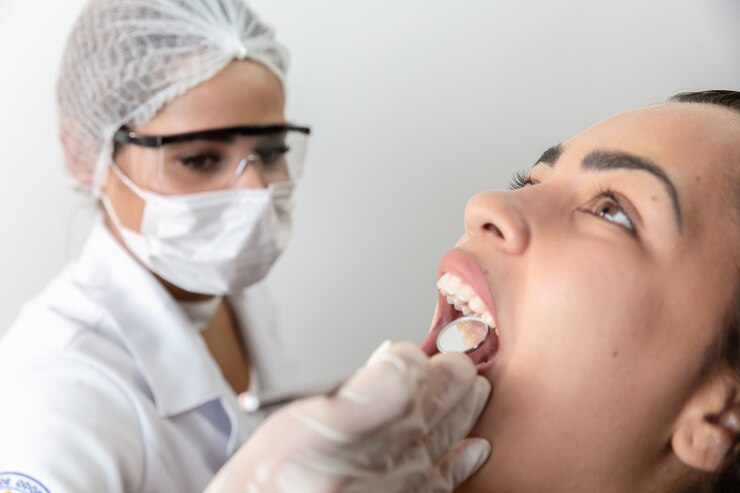
When several teeth are worn, damaged, missing, or causing ongoing bite problems, treating one tooth at a time may not address the bigger picture. Full mouth restoration Raleigh NC is a comprehensive approach that evaluates the teeth, gums, jaw function, bite, and appearance together. Rather than describing one specific procedure, it refers to a personalized combination of restorative treatments designed to improve oral function and rebuild a healthier, more comfortable smile. The exact plan can vary widely because every person begins with different dental needs, priorities, and long-term goals.
What Does Full Mouth Restoration Involve?
A full mouth restoration may combine several forms of dental care in a carefully planned sequence. Depending on the condition of the mouth, treatment can involve crowns for weakened teeth, bridges or dental implants for missing teeth, fillings for decay, or other restorations for damaged surfaces. Gum health may also need attention before permanent restorations are placed. In some cases, bite-related concerns must be addressed so the upper and lower teeth meet in a more balanced way.
The purpose of full mouth restoration Raleigh NC is not simply to make teeth look different. A well-designed plan considers chewing ability, tooth stability, comfort, speech, cleaning, and the way restorations function together. Cosmetic improvements may be part of the result, but restoring dependable oral function is usually a central objective.
Who May Benefit From a Comprehensive Approach?
People may explore comprehensive restoration when dental problems affect many areas of the mouth at once. Common examples include multiple missing teeth, extensive decay, fractured teeth, severe wear, failing older restorations, or difficulty chewing. Some people have a combination of these concerns rather than one isolated problem. A detailed evaluation helps determine whether full mouth restoration Raleigh NC is appropriate or whether a more limited treatment plan would meet the person's needs.
Severe tooth wear deserves particular attention because its cause can influence treatment. Grinding, an uneven bite, erosion, or long-term habits may continue to damage new dental work if the underlying issue is overlooked. Identifying contributing factors is therefore an important part of planning.
How the Planning Process Works
Comprehensive treatment normally begins with an examination of the teeth, gums, existing dental work, and bite. Dental imaging, photographs, impressions, or digital scans may be used to understand current conditions and plan changes. The dentist may also discuss discomfort, chewing difficulties, appearance concerns, previous dental experiences, and expectations for treatment.
For full mouth restoration Raleigh NC, sequencing matters. Active decay or gum problems may need treatment first. Teeth that cannot be predictably restored may require a different solution, while weakened teeth may need protection before final restorative work is completed. When several procedures are involved, treatment may be divided into phases so healing and function can be assessed along the way.
Common Treatment Options
Crowns can rebuild teeth that have lost significant structure, while bridges can replace certain missing teeth by using neighboring support. Dental implants may provide another replacement option when bone, gum health, medical considerations, and other factors allow. Tooth-colored restorations can repair smaller areas of damage, and selected cosmetic procedures may refine shape or appearance when appropriate.
No single combination is automatically best for full mouth restoration Raleigh NC. Treatment choices depend on the number and location of affected teeth, remaining tooth structure, gum and bone condition, bite forces, personal preferences, and practical considerations. The goal is to create a plan in which individual restorations work as part of one functional system.
Treatment Time, Comfort, and Recovery
The timeline can range from a series of appointments to a longer phased process. Procedures involving healing, such as implant treatment or certain gum therapies, can extend the overall schedule. Temporary restorations may sometimes be used while the mouth heals or while the final bite and appearance are evaluated.
Comfort and recovery also depend on the procedures performed. Some appointments may cause only short-term sensitivity, while surgical treatment can require a more involved healing period. Before beginning full mouth restoration Raleigh NC, patients should understand the expected stages, temporary limitations, home-care instructions, and signs that warrant contacting the dental office.
Protecting the Results Over Time
Long-term care remains important after extensive restorative treatment. Daily brushing, interdental cleaning, routine dental examinations, and professional cleanings help protect natural teeth, gums, and restorations. People who grind or clench their teeth may be advised to use a protective appliance when appropriate. Habits that place excessive force on restorations should also be avoided.
Making an Informed Decision
Before choosing full mouth restoration Raleigh NC, it is useful to ask what problems the proposed plan is intended to solve, which alternatives are available, how long each phase may take, and what maintenance will be required. Understanding the reasoning behind each procedure makes it easier to evaluate a complex treatment plan. Because comprehensive restoration is highly individualized, a thorough dental assessment is essential for determining suitable options, realistic expectations, and a sequence of care that supports both function and long-term oral health.









Comments (0)