

How to Choose High Physical Support Homes in Sydney for a Loved One
High Physical Support Homes in Sydney are designed for eligible NDIS participants who require specialist housing features because of very high physical support needs.

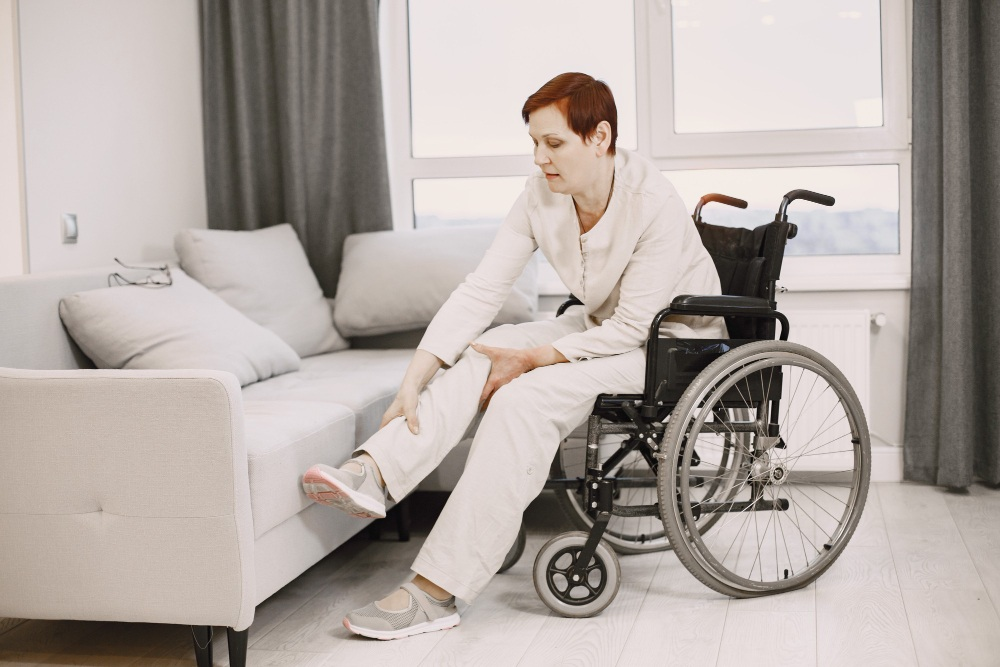
Choosing a suitable home for a loved one with significant physical support needs is an important decision. Families want to know that the person they care about will be comfortable, safe, and supported in their new home. High Physical Support Homes in Sydney are designed for eligible NDIS participants who require specialist housing features because of very high physical support needs.
Finding the right property takes careful planning. Families should consider the person's needs, preferences, support arrangements, location, and long-term goals before making a decision.
Understand Your Loved One's Needs
The first step is to understand what your loved one needs in their daily life. Every person has different mobility, personal care, communication, and equipment requirements.
Before looking at High Physical Support Homes in Sydney, make a list of important requirements. These may include wheelchair access, accessible bathrooms, space for equipment, support worker access, or assistance with transfers.
It is also important to consider what the person wants from their home. Their preferences should be part of the decision wherever possible.
Check SDA Eligibility and Funding
High Physical Support is one of the Specialist Disability Accommodation (SDA) design categories. However, not every NDIS participant automatically receives SDA funding.
Families should understand whether their loved one is eligible for SDA and whether the relevant funding is included in their NDIS plan. An NDIS professional can help explain the process and what the funding means.
Understanding funding early can make the housing search more organised.
Look at Accessibility Features
When comparing High Physical Support Homes in Sydney, look carefully at the accessibility features available in each property.
Depending on the home, features may include:
- Accessible entrances and pathways
- Wider doorways
- Accessible bathrooms
- Ceiling hoist provisions
- Assistive technology
- Home automation
- Emergency power solutions
- Space for mobility equipment
The availability of these features can vary. Families should confirm that the property can meet their loved one's specific needs.
Consider the Location
A good home should also be in a practical location. Think about how close the property is to family, friends, healthcare services, shops, public transport, community facilities, and other important places.
When choosing High Physical Support Homes in Sydney, consider whether the location will help your loved one maintain existing relationships and participate in activities they enjoy.
A convenient location can make regular appointments and community activities easier to manage.
Visit the Property
Photos and online information can be helpful, but visiting the property provides a better understanding of the actual space.
During a visit, check the entrance, doorways, bedrooms, bathroom, living areas, storage, and spaces for equipment. Think about how your loved one would move around the home during a normal day.
If possible, bring a support worker, occupational therapist, or another person who understands your loved one's physical needs.
Think About Support Arrangements
The home should work well with the support your loved one receives. Consider where support workers will assist with personal care and daily activities.
There should be enough space for support workers to provide assistance while also respecting the resident's privacy and personal space.
A good balance can help the resident feel comfortable and maintain greater control over their routine.
Consider Future Needs
Your loved one's needs may change over time. A property that meets today's requirements may not always be suitable in the future.
When considering High Physical Support Homes in Sydney, think about possible changes in mobility, equipment, personal care, and support needs.
Choosing a home with suitable features and practical space can provide greater flexibility over time.
Involve Your Loved One
The person moving into the home should be involved in the decision as much as possible. Ask about their preferred location, room setup, lifestyle, routines, and community connections.
Even when family members provide most of the planning, the individual's choices and preferences should remain central to the process.
How Christian Care Can Help
Finding suitable specialist accommodation can feel overwhelming for families. Christian Care supports people with disability and focuses on individual needs, preferences, and goals.
The team can help participants and families understand their support and accommodation options and consider important factors when exploring suitable housing.
Make a Confident Housing Choice
Choosing High Physical Support Homes in Sydney for a loved one requires more than finding an accessible property. Families should consider SDA eligibility, funding, accessibility features, location, support arrangements, personal preferences, and future needs.
With careful planning and the right guidance, families can help their loved one find a home that provides comfort, safety, accessibility, and greater opportunities for independence.










Comments (0)