

What Are The Symptoms Of Exposure-Related Sound And Vestibular Injury?
Learn the common symptoms of sound and vestibular injury, when they may signal lasting damage, and when to seek medical evaluation after exposure.
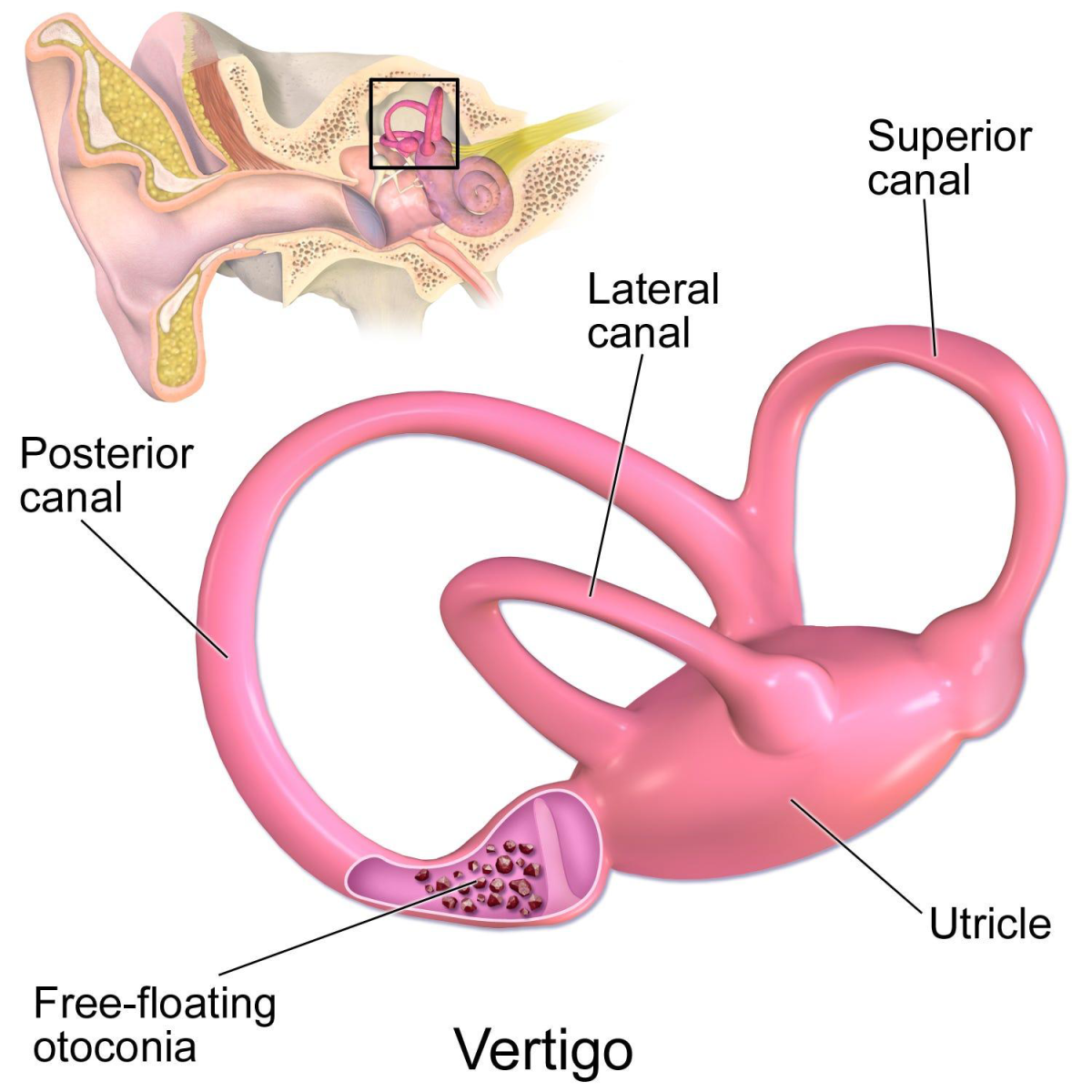
A sudden blast, prolonged industrial noise, or repeated exposure to intense sound can affect more than hearing. Some people also develop problems with balance, movement, or spatial awareness afterward. These effects can be confusing, especially when symptoms appear hours or days later. Understanding the warning signs of Exposure-Related Sound and Vestibular Injury can help you recognize a potential problem early and seek appropriate medical care before symptoms interfere with daily life.
What Is Sound and Vestibular Injury?
Sound-related injury can occur when the ears and surrounding sensory systems experience sound levels that are too intense, too long-lasting, or both. A single explosive event may cause damage, while repeated occupational or recreational noise exposure can gradually affect the auditory system.
The vestibular system, located within the inner ear, helps the brain understand head movement and maintain balance. When this system becomes impaired, a person may feel dizzy, unsteady, or disoriented even when hearing seems relatively normal.
In some cases, sound exposure affects both hearing and balance-related structures. The resulting symptoms can vary significantly depending on the intensity and duration of exposure, individual susceptibility, and whether an injury occurred at the same time.
Common Symptoms to Watch For
Symptoms may be immediate or develop gradually. Some are obvious, while others can initially seem unrelated to the ears.
Hearing Changes
Hearing-related symptoms may include:
- Muffled or reduced hearing
- Difficulty understanding speech, particularly in noisy settings
- A feeling of fullness or pressure in the ears
- Increased sensitivity to ordinary sounds
- Ringing, buzzing, or other unexplained sounds in the ears
Sudden hearing loss deserves prompt medical attention. Do not assume that hearing will automatically return, particularly when the change occurs after a loud blast or other intense exposure.
Dizziness and Vertigo
One of the most noticeable signs of vestibular injury is dizziness. People may describe the sensation as spinning, rocking, floating, swaying, or feeling as though the ground is moving.
Vertigo can become more noticeable when turning the head, standing up, walking, or changing position. Severe episodes may also cause nausea or vomiting.
Problems With Balance and Coordination
A vestibular injury can make routine movements unexpectedly difficult. Someone who normally walks without problems may suddenly feel unstable, bump into objects, or need to hold onto furniture for support.
Other possible signs include:
- Difficulty walking in a straight line
- Feeling unsteady on stairs
- Trouble maintaining balance in darkness
- Increased risk of stumbling or falling
- A sensation of being pulled to one side
These symptoms can become particularly concerning when they persist or interfere with work, driving, exercise, or other normal activities.
Less Obvious Signs of Vestibular Injury
Not every vestibular problem produces dramatic spinning sensations. Some people experience subtle symptoms that are easier to overlook.
Visual Disturbances
The vestibular system works closely with vision and the brain to stabilize images during movement. When this system is impaired, a person may experience blurred vision, difficulty focusing while walking, or discomfort when moving through visually busy environments.
For example, scrolling on a phone, walking through a crowded store, or riding in a vehicle may suddenly feel uncomfortable.
Motion Sensitivity
A person may become unusually sensitive to movement after an injury. Riding in a car, turning quickly, looking up and down, or moving the head repeatedly can trigger dizziness or nausea.
This sensitivity may lead people to avoid activities they previously tolerated without difficulty. Persistent motion-related symptoms are worth discussing with a healthcare professional.
Fatigue and Difficulty Concentrating
Maintaining balance requires constant communication between the inner ear, eyes, muscles, and brain. When this system is not working normally, some people report feeling unusually tired after walking, standing, or processing visual information.
Difficulty concentrating can also accompany dizziness or sensory overload. These symptoms are not specific to vestibular injury, however, so a medical evaluation is important before assuming they have a single cause.
What Can Cause Exposure-Related Injury?
Different forms of sound exposure can produce different risks. A very loud impulse, such as an explosion or gunshot, can expose the auditory system to an intense pressure wave within a very short period.
Continuous or repeated loud noise can also cause harm. Common examples include:
- Industrial and construction equipment
- Aircraft and airport environments
- Concerts and amplified music
- Recreational shooting
- Heavy machinery
- Explosions and other blast events
- High-powered engines
The risk generally increases as sound intensity and exposure duration rise. Hearing protection can reduce risk, but it does not make extremely loud environments completely safe.
When Should You Seek Medical Attention?
Symptoms following significant sound exposure should not be ignored, particularly when they are sudden, severe, or worsening.
Seek prompt medical evaluation if you experience sudden hearing changes, persistent vertigo, significant balance problems, severe ear pain, drainage or bleeding from the ear, or symptoms following a blast or other major exposure.
Emergency care may be appropriate when dizziness or balance problems occur with potentially serious neurological symptoms, such as weakness, facial drooping, confusion, difficulty speaking, or a severe sudden headache.
A healthcare professional may perform hearing tests, balance assessments, an ear examination, and other evaluations based on the symptoms and exposure history. Early assessment can help identify problems that require treatment or monitoring.
How Is Vestibular Injury Evaluated?
Evaluation usually begins with a detailed history. Tell the clinician what happened, how intense the exposure was if known, how long it lasted, whether hearing protection was used, and when symptoms began.
Hearing testing can help identify changes in auditory function. Depending on the symptoms, clinicians may also recommend vestibular testing to examine how well the balance system responds to movement and stimulation.
Because dizziness has many possible causes, an accurate diagnosis matters. Inner-ear problems, medication effects, neurological conditions, migraines, dehydration, and other issues can produce similar symptoms.
Practical Steps After Significant Sound Exposure
If symptoms develop after intense noise exposure, several practical steps can help while you arrange appropriate care.
Protect Your Ears From Additional Noise
Avoid unnecessary exposure to loud environments immediately after an injury. Give your ears time away from high sound levels, and use appropriate hearing protection if exposure cannot be avoided.
However, do not rely on earplugs or earmuffs as a substitute for medical evaluation when symptoms are significant.
Keep Track of Symptoms
Write down when symptoms began and what makes them better or worse. Note changes in hearing, dizziness, balance, nausea, ear pressure, ringing, and sensitivity to sound.
This information can give a healthcare professional a clearer picture of how the problem developed.
Avoid Risky Activities During Severe Dizziness
If balance is impaired, avoid driving, climbing ladders, operating machinery, or other activities where a sudden episode could cause an accident. Ask someone for assistance when necessary.
Gradual return to normal activities should depend on symptom severity and medical advice.
Preventing Future Sound-Related Problems
Prevention remains one of the most effective ways to protect hearing and balance-related function. Reduce unnecessary exposure to loud environments, increase your distance from powerful sound sources, and use properly fitted hearing protection when exposure cannot be avoided.
At work, follow established hearing-conservation procedures and use engineering or administrative controls where available. Outside work, be mindful of recreational noise, including concerts, power tools, engines, and shooting activities.
It is also useful to pay attention to early warning signs. Temporary ringing or muffled hearing after loud noise can indicate that the ears have been exposed to excessive sound, even if the symptoms later improve.
Conclusion
Sound exposure can affect more than the ability to hear clearly. Ringing ears, muffled hearing, dizziness, motion sensitivity, visual discomfort, and balance problems may indicate an issue involving the auditory or vestibular systems. While some symptoms may improve, persistent or sudden changes deserve professional evaluation. Recognizing the signs of a possible Vestibular Injury early can help people make safer decisions about work, driving, recreation, and treatment. After a major noise or blast exposure, do not dismiss new symptoms simply because they seem mild at first. Prompt attention is especially important when hearing or balance changes are sudden, severe, or getting worse.

ESVI Group International provides support for people affected by exposure-related sound and vestibular injuries. The organization focuses on care, education, research, and public awareness to help individuals better understand hearing and balance conditions. ESVI Group International works to connect people with helpful resources, guidance, and support for recovery and daily wellness. By promoting research and sharing important information, the organization aims to improve the quality of life for those dealing with sound-related injuries and vestibular disorders. ESVI Group International is committed to building awareness and supporting communities through trusted information, advocacy, and compassionate care for individuals and families worldwide. Visit: https://esvigroupinternational.com/











Comments (0)