

Vaginal Tightening Laser Treatment in Dubai: Can It Improve Vaginal Laxity?
Learn how Vaginal Tightening Laser Treatment in Dubai may help improve vaginal laxity, its potential benefits, treatment process, and expected results.
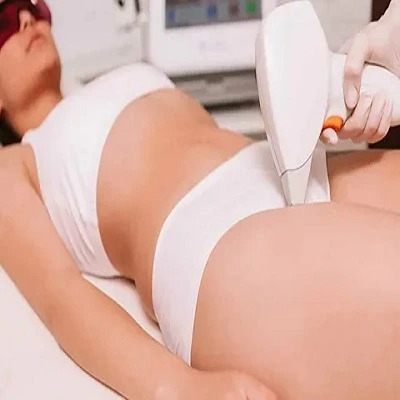
Vaginal Tightening Laser Treatment in Dubai is a treatment option marketed to women who want to address vaginal laxity, dryness, or changes in intimate comfort. Vaginal laxity can be associated with childbirth, changes in pelvic floor muscle function, ageing, and other factors. However, the sensation of looseness does not always mean that the vaginal tissues need tightening, and identifying the underlying cause is essential before choosing a treatment.
Laser treatments use energy to heat targeted tissue. Some clinics promote vaginal laser procedures as a way to stimulate tissue changes, but evidence supporting their effectiveness for vaginal laxity remains limited. Their long-term safety and benefits are not firmly established for many advertised uses. Patients should understand these limitations before deciding whether to proceed.
Dr. Rashad Haddad can discuss individual concerns, explain available options, and help patients understand the questions to ask before considering intimate treatments. Depending on the cause of symptoms, options may include pelvic floor physiotherapy, assessment for pelvic floor disorders, treatment for vaginal dryness, or other appropriate care.
This article explains how laser vaginal tightening is intended to work, what results may be realistic, how it compares with other approaches, and what patients should consider before treatment.
Vaginal Tightening Laser Treatment in Dubai: What Is It?
Vaginal Tightening Laser Treatment in Dubai generally refers to a procedure in which a laser device delivers controlled energy to vaginal tissue. Depending on the device, the energy may heat selected tissue layers and produce changes in the tissue's response.
Clinics may market these procedures for vaginal laxity, dryness, or intimate comfort. However, the mechanism proposed by manufacturers does not automatically establish that a treatment produces meaningful or lasting improvements in symptoms.
Vaginal laxity can have several causes. Changes following childbirth may involve pelvic floor muscle weakness, stretching, injury, or changes in tissue support. Menopause-related hormonal changes may affect tissue moisture and elasticity, while pelvic organ prolapse can cause pressure or a feeling of vaginal fullness.
These conditions are not interchangeable, and laser treatment may not address the underlying problem. A clinical assessment should establish the nature of the symptoms before a treatment is recommended.
Patients should ask which device is being used, whether it is approved for the intended purpose, what clinical evidence supports its use, and what risks are known. They should also ask about established alternatives and whether treatment is likely to address their particular concern.
Non-Surgical Vaginal Rejuvenation in Dubai: Can It Improve Vaginal Laxity?
Non-Surgical Vaginal Rejuvenation in Dubai is a broad term that may include laser or radiofrequency procedures and other treatments marketed for intimate wellness. These approaches are often presented as alternatives to surgery because they do not involve conventional surgical reconstruction.
Whether a non-surgical treatment improves vaginal laxity depends on the cause of the symptoms and the evidence supporting the specific procedure. Laser treatments have been promoted for tissue tightening, but high-quality evidence showing consistent, lasting benefits remains insufficient for many indications.
For women whose symptoms relate to pelvic floor muscle weakness, pelvic floor physiotherapy may be a more appropriate option. A trained pelvic health professional can assess muscle strength, coordination, and relaxation and recommend exercises or other strategies suited to the individual.
If vaginal dryness is associated with menopause or another hormonal change, lubricants, vaginal moisturisers, or appropriate prescription treatments may be considered. These treatments address dryness rather than mechanically tightening the vaginal canal.
Patients with a vaginal bulge, pelvic pressure, or urinary symptoms may need assessment for pelvic organ prolapse or another pelvic floor condition. Treatment should target the diagnosed problem rather than relying on a general vaginal rejuvenation label.
Before choosing Non-Surgical Vaginal Rejuvenation in Dubai, patients should receive a clear explanation of the available evidence, potential complications, alternatives, and realistic expectations.
Intimate Laser Therapy in Dubai: How Does the Procedure Work?
Intimate Laser Therapy in Dubai may involve a device that delivers laser energy to selected vaginal tissue. The exact procedure depends on the technology, device settings, and intended treatment area.
A consultation should take place before any procedure. The clinician should review symptoms, medical history, previous childbirth or pelvic procedures, current medications, and any history of pelvic floor disorders. Symptoms such as unexplained bleeding, persistent pain, unusual discharge, or possible infection require appropriate assessment before a cosmetic procedure is considered.
If treatment is offered, the provider should explain how the device works, what the procedure involves, and what sensations or side effects may occur. Patients should also receive written aftercare instructions and information about whom to contact if complications develop.
Laser procedures can cause adverse effects, including pain, burning, irritation, scarring, and changes in sensation. The risk depends on the device and treatment technique, and the full extent of long-term risks is not known for all marketed uses.
Patients should be cautious about claims that a procedure is completely safe, painless, or guaranteed to tighten vaginal tissues. Non-surgical does not mean risk-free.
Dr. Rashad Haddad can discuss individual concerns and help patients understand what to ask about the proposed treatment, its evidence, and other available options.
Best Doctor For Laser Vaginal Tightening in Dubai: What Should You Check?
Choosing the Best Doctor For Laser Vaginal Tightening in Dubai requires more than comparing promotional offers or advertised results. Patients should consider professional qualifications, experience, knowledge of pelvic health, and the quality of the consultation.
Before agreeing to a procedure, patients should independently verify the practitioner's relevant qualifications and professional registration. They should also ask whether the provider has experience assessing vaginal laxity and distinguishing it from pelvic floor weakness, prolapse, and hormonal changes.
When consulting Dr. Rashad Haddad, patients should feel comfortable discussing symptoms and asking questions about the treatment recommendation.
Important questions include:
- What is the likely cause of my vaginal laxity?
- What clinical evidence supports this laser treatment for my symptoms?
- Is the device approved for the intended use?
- What are the potential short-term and long-term risks?
- Are pelvic floor physiotherapy or other established treatments more appropriate?
- How many sessions are being proposed, and what evidence supports that schedule?
- What should I do if the treatment does not help?
- What follow-up care is available if a complication develops?
Patients should not feel pressured to book treatment during an initial consultation. A responsible provider should discuss uncertainty, explain alternatives, and allow sufficient time for an informed decision.
Vaginal Tightening Laser Treatment in Dubai: Before and After Results
Before-and-after results from Vaginal Tightening Laser Treatment in Dubai can vary, and patients should understand that improvement is not guaranteed. Evidence does not currently establish consistent, lasting benefits for vaginal laxity across all laser devices and indications.
Before treatment: Patients may describe a feeling of vaginal looseness, changes following childbirth, reduced intimate comfort, or symptoms associated with dryness. These concerns can have different causes, so a clinical assessment is important before choosing a procedure.
Immediately after treatment: Temporary discomfort, irritation, swelling, or burning may occur. The early response does not indicate whether the procedure will produce a meaningful or lasting benefit.
During the following weeks: Some clinics describe gradual tissue changes after treatment, but the degree of benefit is uncertain. Patients should monitor symptoms and attend recommended follow-up appointments rather than assuming that a sensation of tightness means the treatment has worked.
After the recovery period: Outcomes vary. Some patients may report a subjective change in comfort, while others may experience little or no improvement. There is not enough high-quality evidence to guarantee a particular degree of tightening or a lasting improvement in sexual function.
Before-and-after photographs should be interpreted carefully. Lighting, positioning, camera settings, and differences in the timing of photographs can affect how results appear. Photographs also cannot reliably demonstrate pelvic floor strength or determine whether symptoms have improved.
Patients should ask for realistic information about likely outcomes and understand that complications, including burns, scarring, pain, and changes in sensation, are possible.
How Long Does Vaginal Tightening Laser Treatment in Dubai Take?
The length of a Vaginal Tightening Laser Treatment in Dubai session depends on the device, protocol, and area being treated. However, the duration of a session should not be confused with the time needed to recover or determine whether the treatment has worked.
A clinic may recommend a course of sessions, but patients should ask for the clinical evidence supporting the number and frequency of treatments. Repeated sessions should not be assumed necessary or beneficial without a clear explanation.
After a procedure, the provider should give specific instructions about hygiene, exercise, sexual activity, and follow-up. Patients should not resume activities based solely on the fact that the appointment was brief or that symptoms initially seem mild.
If symptoms persist or worsen, the next step should be a clinical review. Further treatment should not automatically be scheduled without reassessing the original diagnosis and considering other options.
Patients should seek prompt medical advice if they experience severe or increasing pain, significant bleeding, fever, unusual discharge, or symptoms suggesting a burn or infection.
Alternatives to Vaginal Tightening Laser Treatment in Dubai
Before deciding on Vaginal Tightening Laser Treatment in Dubai, patients should understand that alternatives depend on the underlying cause of their symptoms.
Pelvic floor physiotherapy: If muscle weakness or poor coordination contributes to symptoms, a trained pelvic health physiotherapist may recommend exercises and strategies tailored to the patient's needs. Treatment may take several weeks or longer, depending on the condition and consistency of practice.
Vaginal moisturisers and lubricants: These products may help when dryness or friction contributes to discomfort. Lubricants provide temporary relief during sexual activity, while moisturisers are generally used regularly to maintain moisture. They do not surgically tighten vaginal tissue.
Assessment for pelvic organ prolapse: Patients who experience a vaginal bulge, heaviness, or pelvic pressure may require assessment for prolapse. Depending on severity, management may include pelvic floor therapy, a pessary, or surgical treatment.
Hormonal treatment for selected patients: When vaginal dryness and tissue changes are related to low oestrogen levels, a clinician may discuss appropriate prescription treatments. Suitability depends on the patient's medical history and individual risks.
Surgical consultation: Surgery may be discussed in selected cases when a specific anatomical problem is identified. Surgical procedures carry their own risks and should not be chosen solely because non-surgical treatments are marketed as less effective.
The most appropriate approach is the one that addresses the actual cause of the symptoms and has a reasonable evidence base.
Vaginal Tightening Laser Treatment in Dubai: Cost and Treatment Planning
The cost of Vaginal Tightening Laser Treatment in Dubai may depend on the device used, the number of proposed sessions, consultation requirements, and follow-up care.
Patients should request a written quotation that explains what is included, whether each session is charged separately, and whether follow-up appointments or additional assessments involve separate fees. Where applicable, quoted prices should be stated as excluding VAT, with any relevant taxes identified separately.
Cost should not be the only factor in deciding whether to proceed. Patients should consider the practitioner's qualifications, device suitability, quality of evidence, risks, and availability of follow-up care.
It is also important to ask whether the treatment is supported by evidence for the specific symptom being addressed. A procedure marketed for vaginal rejuvenation should not automatically be considered an established treatment for vaginal laxity.
Patients should avoid packages that promise permanent results or guaranteed improvements in sexual satisfaction. A transparent consultation should explain the uncertainties and alternatives before any financial commitment is made.
Frequently Asked Questions About Vaginal Tightening Laser Treatment in Dubai
1. Can Vaginal Tightening Laser Treatment in Dubai improve vaginal laxity?
Vaginal Tightening Laser Treatment in Dubai is marketed for vaginal laxity, but high-quality evidence supporting consistent, lasting benefits remains limited. The best approach depends on the cause of symptoms, and a clinical assessment can help determine whether pelvic floor physiotherapy or another treatment may be more appropriate.
2. What is included in Non-Surgical Vaginal Rejuvenation in Dubai?
Non-Surgical Vaginal Rejuvenation in Dubai may refer to laser, radiofrequency, or other treatments marketed for intimate wellness. These procedures differ in their evidence, risks, and intended effects. Patients should ask exactly which procedure is proposed and whether it is supported by evidence for their specific concern.
3. Is Intimate Laser Therapy in Dubai safe?
The safety of Intimate Laser Therapy in Dubai depends on the device, technique, and intended use. Potential complications include burns, pain, scarring, and changes in sensation. Long-term safety is not firmly established for all marketed indications, so patients should discuss risks and alternatives with a qualified clinician.
4. How do I choose the Best Doctor For Laser Vaginal Tightening in Dubai?
When choosing the Best Doctor For Laser Vaginal Tightening in Dubai, verify professional qualifications, registration, relevant experience, and follow-up arrangements. The consultation should explain the evidence, possible complications, alternative treatments, and realistic expectations without guaranteeing results.
5. What should I expect from before-and-after results?
Before treatment, patients may experience vaginal laxity or reduced comfort. After treatment, results vary, and some patients may notice little or no improvement. Photographs cannot guarantee an individual outcome, and any persistent or worsening symptoms should be reassessed by a clinician.
Conclusion: Is Vaginal Tightening Laser Treatment in Dubai Right for You?
Vaginal Tightening Laser Treatment in Dubai is marketed as a non-surgical option for vaginal laxity, but patients should understand that the evidence supporting consistent, lasting benefits remains limited. A short procedure does not guarantee effective results, and laser treatments can cause complications such as burns, scarring, pain, or changes in sensation.
Non-Surgical Vaginal Rejuvenation in Dubai and Intimate Laser Therapy in Dubai can refer to different procedures, so patients should confirm exactly what is being offered and ask about evidence, risks, and alternatives. Pelvic floor physiotherapy, treatment for vaginal dryness, and assessment for pelvic floor disorders may be more appropriate depending on the cause of symptoms.
Dr. Rashad Haddad can discuss individual concerns and the questions patients should ask when considering available treatment options. Patients should independently verify professional qualifications and request clear information about treatment costs, including fees stated as excluding VAT where applicable.
Ultimately, treatment should be chosen based on an accurate assessment, realistic expectations, and patient safety rather than marketing promises. A personalised plan can help patients make a better-informed decision about vaginal laxity and intimate health.

With over 25 years of experience in Obstetrics and Gynecology, Dr. Rashad Haddad is an international leading expert in the emerging and glamorous field of cosmetic gynecology.














Comments (0)