

5 Types of Cataract: How to Tell Them Apart
The word “cataract” covers more than one condition. Cataracts can form in different layers of the lens, and each type has its own pattern and speed. Knowing the differences helps you understand your diagnosis and talk to your eye doctor with confidence.

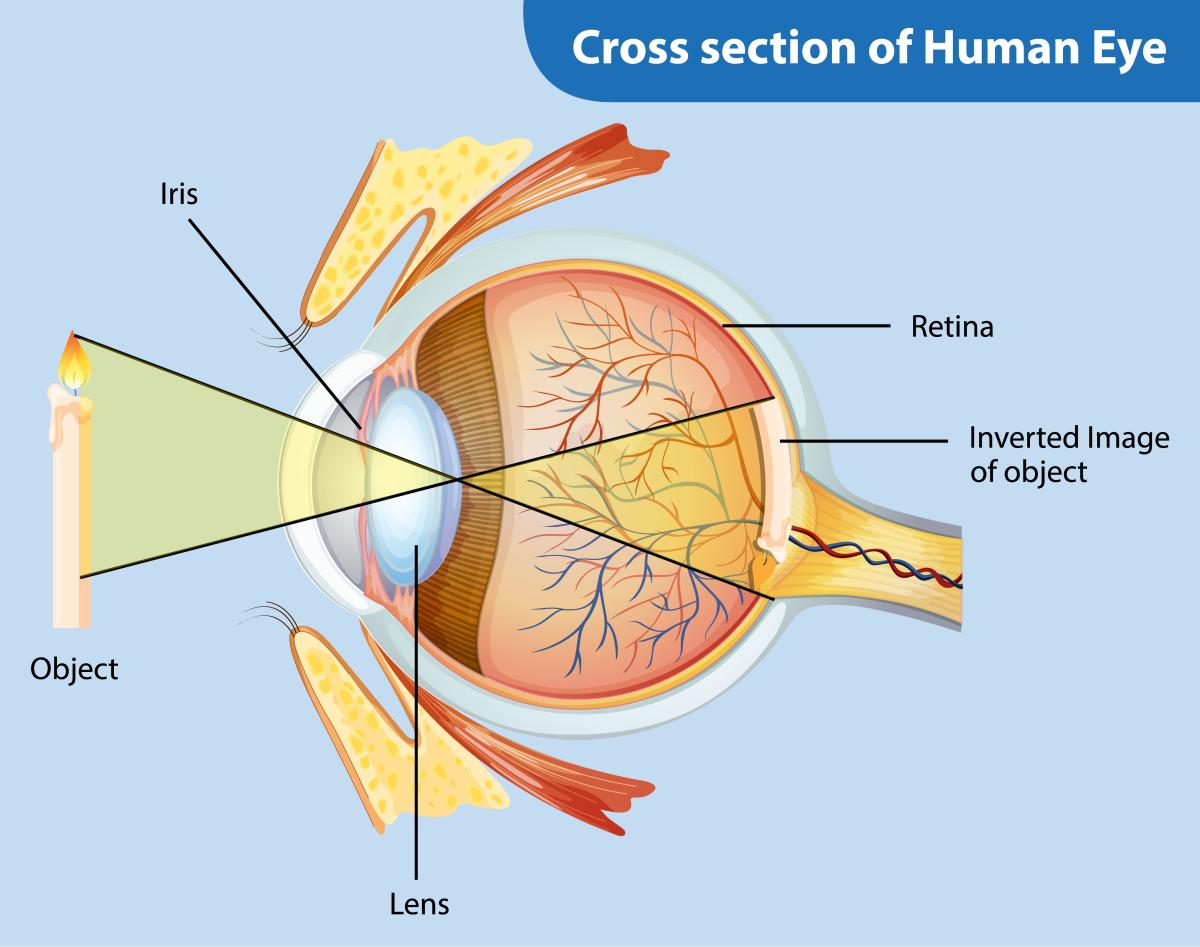
1. Nuclear Cataract
This begins in the centre of the lens and is the most common age-related type. The lens slowly turns yellow or brown. People may first notice that their near vision briefly improves (called “second sight”) before it worsens again.
2. Cortical Cataract
This starts at the lens edge and forms white, spoke-like streaks. It is common in people with diabetes. Glare and blurred vision are typical. Learn more about cortical cataract treatment and when surgery is advised.
3. Posterior Subcapsular Cataract
This forms at the back of the lens, right in the path of light. It can develop faster than other types and often affects reading and vision in bright light. Steroid use, diabetes and eye inflammation are known risk factors.
4. Congenital Cataract
Present at birth or in early childhood, this type needs quick evaluation. Untreated, it can cause lazy eye (amblyopia) and permanent vision loss in a child.
5. Mature Cataract
This is not a separate origin but an advanced stage in which the whole lens becomes cloudy. It can follow any untreated type. Read more about a mature cataract and why delay raises the risk of pressure problems in the eye.
Quick Comparison
- Nuclear: slow, central, yellowing
- Cortical: edge streaks, glare
- Posterior subcapsular: faster, hurts reading
- Congenital: present early in life
- Mature: complete lens opacity
One Treatment for Most Types
Although the types differ, the treatment is the same in principle. The cloudy lens is removed and a clear intraocular lens is placed. Modern surgery is highly safe, with serious complications reported in a small minority of cases. People comparing the best hospital for cataract surgery in Noida can review how cataract treatment is planned, from first test to final check-up.
When to See an Eye Doctor
- Vision stays blurry even with new glasses
- Glare makes night driving unsafe
- You struggle to read or recognise faces
- One eye sees much worse than the other
- Sudden vision change or eye pain (seek care right away)
Final Thoughts
Whatever the type, regular eye checks help catch cataract before it affects your independence. To find out more about the best hospital for cataract surgery in Noida, visit https://maps.app.goo.gl/DbKZKdoB6epGpwnf7, and ask your doctor which type you may have.

















Comments (0)