

Haveli in Jodhpur: Discover the Heritage, Architecture and Royal Charm of the Blue City
Explore the heritage and architectural beauty of Jodhpur through its traditional havelis, historic streets and famous landmarks. Discover the significance of Rajasthani haveli architecture, visit attractions such as Mehrangarh Fort, Ghanta Ghar and Jaswant Thada, and learn about the heritage hospitality experience at Amritara Manak Haveli Jodhpur.

Jodhpur, popularly known as the Blue City of Rajasthan, is a destination where history, architecture and local traditions come together. From the majestic Mehrangarh Fort overlooking the old city to the narrow lanes lined with blue-painted houses, every corner reflects the region's rich cultural heritage. Among its many architectural attractions, traditional havelis hold a special place, offering a glimpse into the lifestyle, craftsmanship and hospitality of Rajasthan's past.
For travellers looking to experience the city's traditional character, exploring a haveli in Jodhpur can add a memorable dimension to their visit. These historic residences, with their carved doorways, decorative balconies, courtyards and traditional architectural elements, reflect the artistic legacy of the Marwar region.
The Historical Significance of Havelis in Jodhpur
Havelis were traditionally built as residences for wealthy merchants, noble families and influential members of society. These buildings were designed to provide privacy, comfort and protection from the desert climate while showcasing the owner's social standing.
Jodhpur's havelis are particularly interesting because of their architectural details. Many feature intricately carved sandstone facades, jharokhas (projecting balconies), traditional courtyards, ornamental windows and beautifully decorated entrances.
The use of locally available sandstone gives many heritage buildings their distinctive appearance. Walking through the old city, visitors can discover these architectural details while learning about the traditions that shaped Jodhpur's identity.
What Makes a Traditional Haveli in Jodhpur Special?
Staying in or visiting a traditional haveli offers a different experience from exploring modern buildings and contemporary accommodation.
Here are some features that make Jodhpur's havelis distinctive:
1. Traditional Rajasthani Architecture
Havelis are known for their detailed stonework, carved pillars, decorative arches and intricately designed balconies. These architectural features reflect the craftsmanship of local artisans.
2. Beautiful Courtyards
Many traditional havelis were designed around open courtyards. These spaces allowed natural light and ventilation while providing families with a private area to gather.
3. Cultural Heritage
The architecture, decorative elements and layout of these properties provide insights into the lifestyle and traditions of Rajasthan's merchant and royal communities.
4. Artistic Craftsmanship
From carved wooden doors to sandstone windows, traditional havelis showcase the skills of craftsmen who contributed to the region's architectural heritage.
Famous Places to Explore Around Jodhpur's Heritage Havelis
Exploring the old city is one of the best ways to understand Jodhpur's architectural and cultural history. Several popular attractions are worth including in your itinerary.
Mehrangarh Fort
One of Rajasthan's most impressive historical landmarks, Mehrangarh Fort stands on a rocky hill overlooking Jodhpur. Built in 1459 by Rao Jodha, the fort features grand gateways, royal courtyards, museums and beautifully decorated palaces. Its elevated location also provides spectacular views of the Blue City.
Ghanta Ghar and Sardar Market
Ghanta Ghar, also known as the Clock Tower, is one of the most recognisable landmarks in Jodhpur's old city. The surrounding Sardar Market is a lively shopping destination where visitors can explore handicrafts, textiles, spices, traditional jewellery and local products.
Toorji Ka Jhalra
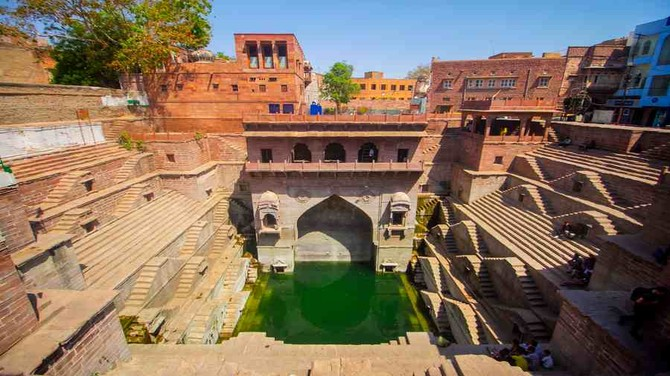
Toorji Ka Jhalra is a historic stepwell known for its symmetrical steps and traditional sandstone construction. It reflects the importance of water conservation in Rajasthan's desert environment and is an interesting example of historic urban architecture.
Jaswant Thada
Located close to Mehrangarh Fort, Jaswant Thada is a beautiful marble cenotaph built in memory of Maharaja Jaswant Singh II. Its peaceful surroundings, intricate marble work and traditional architecture make it an important heritage attraction.
Umaid Bhawan Palace
Umaid Bhawan Palace is another architectural landmark associated with Jodhpur's royal history. Part of the palace continues to serve as a royal residence, while other sections include a museum and a luxury hotel.
Experience Heritage Hospitality at Amritara Manak Haveli Jodhpur
For travellers interested in experiencing the traditional atmosphere of the old city, Amritara Manak Haveli Jodhpur offers an opportunity to stay in a restored heritage property.
Located inside Sojati Gate in Sonaro Ka Bas, also known as Goldsmith Lane, the property was once a family residence. Its setting offers guests an opportunity to experience the character of Jodhpur's historic neighbourhoods while exploring the city's cultural attractions.
The property features 14 rooms, a library, garden spaces and an open-deck jacuzzi. Its rooftop vegetarian restaurant provides views of the surrounding old city, creating an inviting setting for guests to enjoy their meals.
The location also makes exploring nearby attractions convenient. The famous Clock Tower and Sardar Market area are within walking distance, allowing visitors to experience local markets, traditional shops and the everyday atmosphere of the old city.
Guests can also benefit from arrangements such as complimentary e-rickshaw transfers from the designated parking area, guided street tours and rooftop breakfast experiences.
Whether visiting Jodhpur for its architecture, local markets, historical landmarks or cultural experiences, staying in a heritage property can offer a closer connection to the city's traditional surroundings.
Best Time to Explore Jodhpur's Heritage Architecture
The best time to explore Jodhpur is generally between October and March, when temperatures are relatively pleasant for sightseeing and walking through the old city.
During these months, visitors can comfortably explore Mehrangarh Fort, heritage streets, traditional markets and historical monuments. The winter season is also suitable for photography and outdoor cultural experiences.
Summer months, particularly April to June, can be extremely hot due to the desert climate. Travellers visiting during this period should plan outdoor activities for early mornings or late afternoons.
Tips for Exploring the Old City of Jodhpur
To make the most of a heritage-focused visit, keep these practical suggestions in mind:
-
Wear comfortable footwear, as the old city has narrow lanes and uneven walking surfaces.
-
Explore local markets to discover traditional handicrafts, textiles and Rajasthani souvenirs.
-
Visit major monuments early in the morning to avoid peak crowds.
-
Carry water and sun protection, particularly during warmer months.
-
Respect the privacy of residents when photographing traditional homes and heritage buildings.
-
Consider staying in a heritage property to experience the architectural character and atmosphere of the old city.
Conclusion
Jodhpur's havelis are an important part of the city's cultural and architectural identity. Their traditional courtyards, intricate sandstone carvings and historic surroundings offer a fascinating look into Rajasthan's past.
Whether you are interested in architecture, history, photography or cultural travel, exploring a haveli in Jodhpur can make your journey more meaningful. For travellers seeking a heritage-style stay in the historic part of the city, Amritara Manak Haveli Jodhpur provides an opportunity to experience the charm of traditional surroundings while discovering the Blue City's famous attractions.
Find Amritara Manak Haveli Jodhpur on Google Maps.


















Comments (0)