

What I Would Check Before Buying an RV Bed Lift Kit
Before buying an RV bed lift kit, check the mattress and platform weight, bed measurements, hinge position, mounting space, gas spring force, and installation requirements. These simple checks can help you choose a lift system that fits your RV and works as expected.
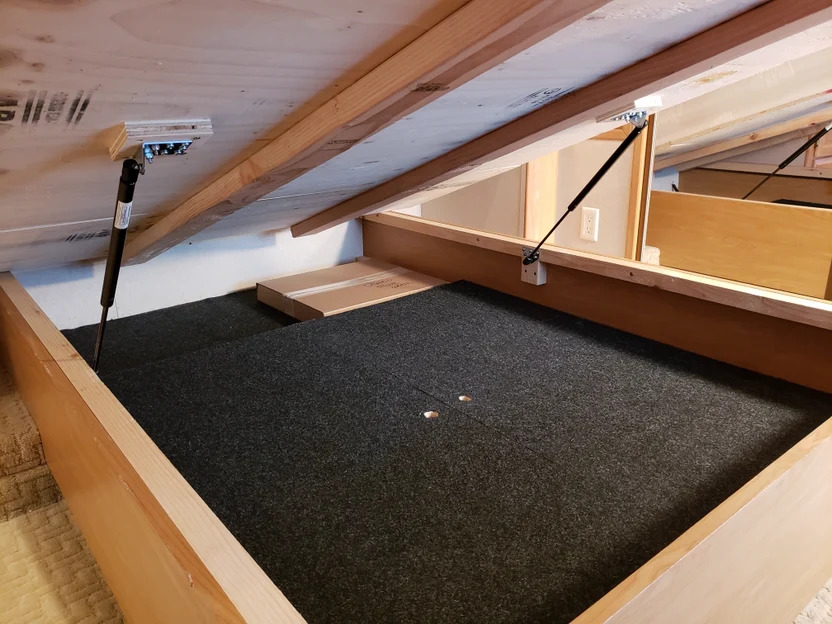
Buying an RV bed lift kit sounds simple until you start comparing different kits and realize that they are not all designed for the same bed, mattress, or lifting setup. Before ordering one, I would first look at the weight of the mattress and bed platform, the way the bed is hinged, the available mounting space, and the lifting force of the gas springs. These details matter because an RV bed lift has to work with the specific setup inside your RV. Spending a few minutes checking those things first can save you from buying a kit that is difficult to install or does not provide the lifting assistance you expected.
Start With the Weight You Actually Need to Lift
The first thing I would check is the weight of the mattress and bed platform together. It is easy to think only about the mattress, but the lift mechanism is supporting more than that. The wooden or composite platform, bedding, and anything that normally stays on the bed can all add weight. If you have recently changed to a thicker or heavier mattress, that is especially important. A lift kit needs to be matched to the load it is expected to assist. I would weigh the mattress if its weight is not listed and then consider the platform before choosing a gas spring lift system.
Measure the Bed Before Looking at Prices
I would measure the bed before comparing prices because RV manufacturers use different layouts and construction methods. Measure the length and width of the platform, but also pay attention to its thickness and the space underneath it. The hinge position is another measurement worth noting. A kit may have suitable lifting force but still be difficult to install if there is not enough room for the brackets or gas springs. Taking a tape measure into the RV and writing down the measurements takes only a few minutes. It also gives you useful information to compare against the manufacturer's sizing chart before placing an order.
Check How the Bed Platform Opens
Next, I would look at how the existing bed platform moves. Does it lift from the foot, the side, or another hinged point? Does the platform have enough clearance to open without contacting a wall, cabinet, mattress, or other interior component? These questions are easy to overlook when shopping online because product photographs rarely show every possible RV configuration. Watch the platform as you raise it and identify where the movement begins and ends. Understanding that movement will help you determine where the lift springs and mounting brackets can realistically be installed without interfering with the rest of the bed structure.
Pay Attention to Gas Spring Force
Gas spring force is one of the most important specifications to understand. The number printed on a gas spring represents its force rating, but choosing a spring is not simply a matter of selecting the highest number available. The correct setup depends on the weight being lifted and the geometry of the installation. A spring that does not provide enough assistance may leave most of the lifting work to you. A setup with excessive force can make lowering the platform unnecessarily difficult. I would always use the manufacturer's sizing information rather than guessing based on the appearance or physical size of the spring.
Look at the Mounting Area Carefully
Before buying an RV bed lift kit, I would get underneath the bed and inspect the actual mounting surfaces. You need solid areas where the brackets can be attached, and you also need enough clearance for the gas springs to move through their operating range. Look for anything that could interfere with installation, including wiring, plumbing, storage compartments, structural supports, and nearby cabinetry. The mounting location matters because changing it can affect the leverage of the gas spring. A kit that looks like it should fit from a product photograph may require a different mounting arrangement in your RV, so checking the available space beforehand is worthwhile.
Find Out What the Kit Includes
I would also check the contents of the package before ordering. Some lift systems may include the gas springs and mounting hardware, while other products may require additional components. Look for a clear list of everything included in the kit, such as springs, brackets, spacers, screws, and installation instructions. This is particularly useful if you are replacing an existing lift system because you can compare the new hardware with what is already installed. It also prevents a common problem: receiving the product and discovering that an additional bracket or piece of hardware is needed before the installation can be completed.
Read the Installation Instructions First
If installation instructions are available online, I would read them before purchasing the kit. You do not need to be an expert mechanic to do this. The instructions can tell you what tools are required, where the brackets are positioned, and whether the installation involves drilling or other modifications. They can also reveal whether the manufacturer expects the kit to be installed on a particular type of bed platform. Good instructions should make the installation process understandable before you begin. If the instructions are difficult to follow or important specifications are missing, I would look for clarification before ordering rather than trying to figure everything out afterward.
Think About How Often You Use the Storage Space
The amount of use is another factor I would consider. If the space underneath your RV bed is where you keep chairs, tools, outdoor equipment, clothing, or other camping gear, you may be lifting the platform frequently. In that situation, smooth and predictable operation becomes much more important than it might be for someone who rarely accesses the storage area. Think about your normal camping routine. If you open the bed every morning to reach storage, the lift system becomes part of your daily RV setup. Choosing a properly matched system can make repeated access much easier than manually lifting the entire platform every time.
Do Not Assume the Strongest Kit Is the Best Kit
It can be tempting to choose the strongest lift kit available because it sounds like it should make lifting easier. That is not necessarily how gas springs work in practice. The system needs to be matched to the weight and geometry of the bed. Too little assistance can make lifting difficult, while excessive assistance can make the platform harder to control when closing. I would therefore start with the manufacturer's recommended range and the actual weight of my setup. The goal is not to find the strongest spring. The goal is to find a lift system that provides appropriate assistance throughout the movement of the bed.
Consider Future Changes to Your RV Bed
One thing I would think about before ordering is whether the bed setup is likely to change. For example, if you currently have a lightweight mattress but plan to replace it with a substantially heavier model, the lift requirements could change. The same applies if you intend to modify the bed platform or add equipment that permanently increases its weight. A lift system should be selected based on the setup you actually intend to use. If you are unsure about a future change, check the manufacturer's recommendations before buying. Knowing the limits of the system is better than discovering later that the original configuration has changed significantly.
A Simple Pre-Purchase Checklist
Before ordering an RV bed lift kit, I would have these details written down:
-
Mattress weight
-
Bed platform weight
-
Bed platform dimensions
-
Mattress dimensions
-
Hinge location
-
Available mounting space
-
Required gas spring force
-
Available clearance when opening
-
Hardware included with the kit
-
Installation requirements
-
Manufacturer's sizing recommendations
Having this information makes it much easier to compare products based on compatibility instead of price alone. It also gives you useful information if you need to contact the manufacturer with a question. Rather than saying, "I need a lift for my RV bed," you can provide the actual measurements and weight information. That usually leads to a much more useful conversation about whether a particular lift system is appropriate for your setup.
What I Would Check Before Clicking Buy
If I were standing in my RV ready to order an RV bed lift kit, I would not start with the checkout page. I would start with a tape measure and the mattress specifications. I would check how the platform opens, where the brackets could go, how much weight the springs need to assist, and whether the kit includes the hardware required for installation. Then I would compare those details with the manufacturer's sizing information. That process may take a little longer than choosing a product based on a photograph and price, but it gives you a much better chance of ending up with a system that actually suits your RV.
Frequently Asked Questions

I love camping











Comments (0)