

Forest Living Community: A Modern Approach to Nature-Inspired Living
Discover the benefits of a Forest Living Community, from green spaces and outdoor living to sustainable design, modern homes, and community-focused amenities.

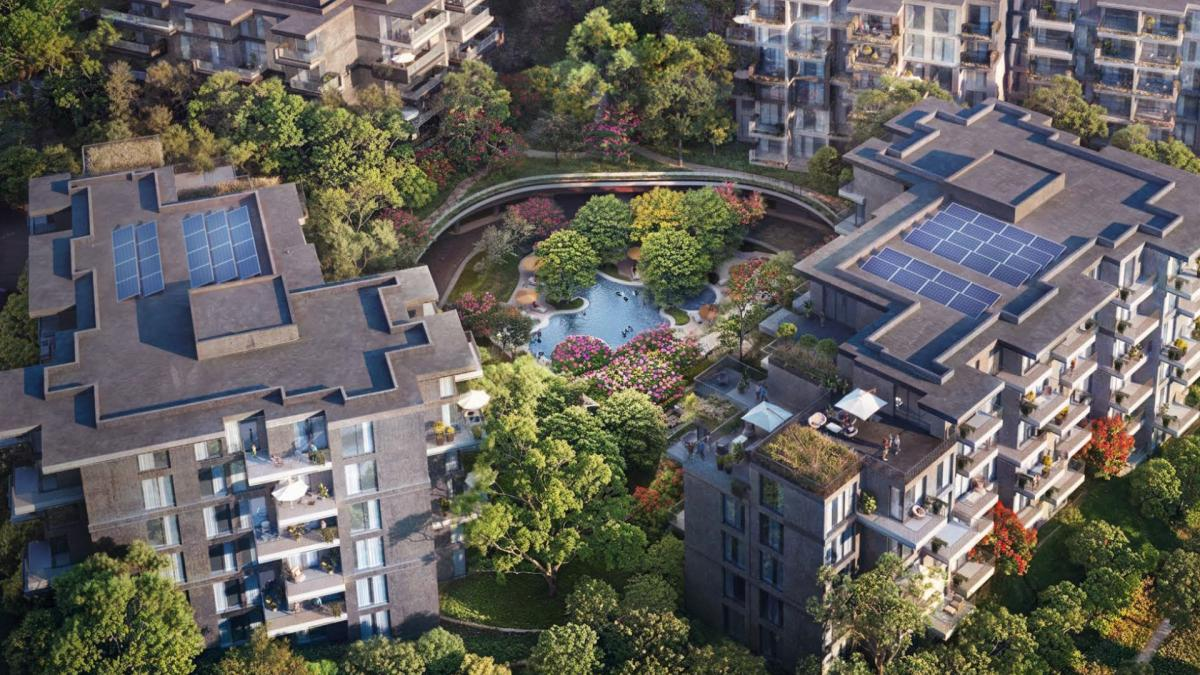
The concept of a Forest Living Community is gaining attention as more people look for a lifestyle that combines modern comfort with a closer connection to nature. Instead of living in highly congested urban environments, many homeowners are becoming interested in communities designed around greenery, open spaces, fresh air, and a peaceful atmosphere.
A forest-inspired community is not simply about placing homes near trees. It represents a broader approach to residential planning where natural surroundings, sustainable design, outdoor spaces, and community facilities are incorporated into everyday life. This concept can appeal to families, professionals, retirees, and anyone looking for a healthier and more balanced residential environment.
What Is a Forest Living Community?
A Forest Living Community is a residential development designed to integrate homes with natural landscapes. Trees, gardens, walking trails, green spaces, and outdoor recreational areas can become important components of the community.
Unlike conventional developments where buildings may dominate the landscape, forest-oriented communities generally place greater emphasis on preserving or creating green environments. Homes can be planned around landscaped areas, providing residents with opportunities to experience nature as part of their daily routine.
The exact design of each community can vary, but the central idea remains the same: creating a residential environment where modern living and natural surroundings exist together.
Why Forest Living Is Becoming Popular
Urbanization has transformed the way people live. Large cities provide employment, education, entertainment, and business opportunities, but urban life can also involve traffic, noise, crowded neighborhoods, and limited access to natural spaces.
A forest living environment offers an alternative residential experience. Green surroundings can create a calmer atmosphere and provide residents with more opportunities to spend time outdoors.
For families, access to landscaped areas and recreational spaces can encourage children to spend more time outside. For adults, walking paths, gardens, and open areas can provide convenient opportunities for relaxation and recreation.
The Importance of Green Spaces
Green spaces are one of the defining characteristics of a forest-inspired residential community. Parks, landscaped gardens, tree-lined streets, and walking trails can significantly influence the character of a neighborhood.
Well-planned greenery can also create visual separation between homes and provide attractive communal areas. Instead of treating landscaping as an additional feature, a forest living community can make nature an integral part of its overall design.
Residents may enjoy morning walks, outdoor activities, family gatherings, or quiet time surrounded by greenery without needing to travel far from home.
A Healthier Outdoor Lifestyle
A major attraction of a Forest Living Community is the opportunity to incorporate outdoor activities into everyday life.
Walking and cycling paths can encourage residents to remain physically active. Parks and open spaces can provide areas for exercise, recreation, and social interaction.
Access to nature may also encourage people to spend less time indoors. Whether it is taking an evening walk, enjoying a weekend picnic, or simply sitting in a landscaped garden, outdoor spaces can contribute to a more active residential lifestyle.
Sustainable Community Planning
Sustainability can play an important role in modern forest-oriented developments. Responsible planning may include preserving existing vegetation, increasing tree coverage, using efficient infrastructure, and incorporating environmentally conscious construction practices.
Water management, energy efficiency, waste management, and landscaping choices can also influence the environmental performance of a residential community.
A sustainable approach does not necessarily mean sacrificing modern comfort. Instead, it focuses on designing homes and infrastructure in ways that use resources efficiently while maintaining a pleasant environment.
Community-Centered Living
A Forest Living Community can also encourage stronger neighborhood interaction. Shared parks, walking trails, playgrounds, community gardens, recreational facilities, and gathering areas can create opportunities for residents to meet one another.
This is particularly valuable for families who want children to grow up in an environment where outdoor recreation and community interaction are easily accessible.
Social spaces can transform a residential development from a collection of individual properties into a connected neighborhood where residents share common facilities and experiences.
Homes Designed Around Nature
Architecture plays an important role in creating the forest living experience. Homes can be designed to maximize views of greenery, natural light, ventilation, and connections between indoor and outdoor spaces.
Large windows, balconies, terraces, gardens, and outdoor seating areas can help bring nature closer to the living environment.
The objective is not necessarily to create rustic homes. Modern architecture can be combined with natural surroundings to create residences that offer contemporary comfort while maintaining a connection with the landscape.
Benefits for Families
Families can find several practical advantages in a well-planned Forest Living Community. Green areas can provide children with safe places to play and explore, while parents can enjoy a more peaceful residential setting.
Community amenities can also make daily life more convenient. Parks, recreational spaces, walking trails, and social areas may reduce the need to travel elsewhere for basic outdoor activities.
For families considering a long-term home, the overall environment of a neighborhood can be just as important as the individual property.
Forest Living as a Property Investment Concept
The growing interest in nature-focused lifestyles has also made green residential communities an interesting concept within the real estate sector.
Buyers may consider factors such as location, infrastructure, developer reputation, property design, community facilities, accessibility, and future development when evaluating such projects.
However, purchasing property should always involve detailed research. Buyers should verify ownership documentation, approvals, construction status, development plans, service charges, and applicable taxes before making an investment decision.
The presence of greenery alone does not guarantee property appreciation. Market conditions, location, demand, infrastructure, and project execution remain important considerations.
Technology and Modern Forest Living
A nature-focused community does not mean residents have to give up modern technology. Smart home systems, high-speed internet, security technology, energy-efficient appliances, and digital community services can be integrated into contemporary residential developments.
This combination of technology and nature can create a lifestyle that provides modern convenience while maintaining an emphasis on outdoor living.
Smart infrastructure can also support energy management, security, transportation, and other aspects of community operations.
Choosing the Right Forest Living Community
People considering a forest-oriented residential development should evaluate more than landscaping. Location and accessibility remain important, particularly for residents who commute to work or need regular access to schools, healthcare facilities, shopping centers, and business districts.
Potential residents should also examine the quality and quantity of green spaces, community facilities, security arrangements, utilities, road infrastructure, maintenance standards, and long-term development plans.
Visiting the community in person can be useful because photographs and marketing materials may not fully communicate the actual environment.
Conclusion
A Forest Living Community represents a modern approach to residential planning that places nature, greenery, outdoor recreation, and community interaction alongside contemporary housing and infrastructure.
As people increasingly look for balanced lifestyles, communities designed around natural surroundings can provide an appealing alternative to highly dense urban environments. From tree-lined streets and walking trails to landscaped parks and nature-inspired homes, the concept brings outdoor living closer to everyday life.
For homeowners and property buyers, the key is to evaluate the complete development rather than focusing on one feature. Location, accessibility, infrastructure, sustainability, amenities, property quality, and long-term planning should all be considered before making a decision.
Ultimately, the Forest Living Community concept reflects a broader shift in residential design: creating places where people can enjoy modern convenience while maintaining a meaningful connection with the natural environment.


Comments (0)