

From Squishy Toys to Fidget Tools: Understanding Different Types of Tactile Play
Explore different types of tactile play, from squishy toys and fidget tools to textured toys, modelling materials and building activities.
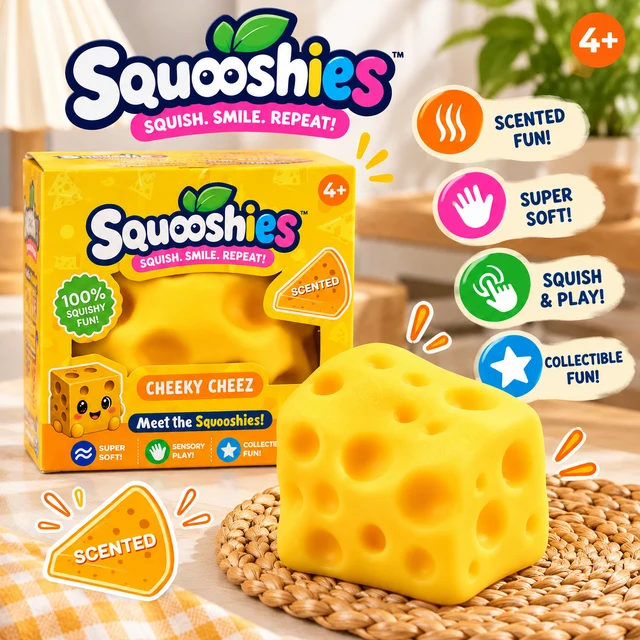
Children explore the world through their senses every day. They run their fingers over different surfaces, squeeze soft objects, build with blocks and investigate how materials feel. These simple experiences are part of tactile play, a form of hands-on activity that allows children to discover textures, shapes and physical sensations.
Tactile play can take many forms. Some children enjoy the soft, flexible feel of squishy toys, while others prefer textured objects, building materials or small fidget tools. Understanding the differences can help parents and caregivers choose toys that suit a child’s age, interests and preferred ways of playing.
What Is Tactile Play?
Tactile play involves exploring objects and materials through touch. Children may press, squeeze, rub, roll, pinch or handle different items to discover how they feel and respond.
These activities can be simple and informal. A child might compare a soft cushion with a smooth plastic toy, shape modelling dough or explore the surface of a textured ball. The experience gives them an opportunity to notice differences and decide what they enjoy.
Tactile play is not limited to sensory toys. Everyday objects, creative materials and construction toys can also provide tactile experiences. The main feature is that children are actively using their hands to explore.
Squishy Toys: Soft, Flexible and Satisfying to Handle
Squishy toys are designed to be pressed, squeezed or gently manipulated. They often have soft or flexible materials that change shape when handled and return towards their original form.
Children may enjoy the simple physical experience of squeezing a toy, while others are drawn to its shape, colour or playful design. Some squishy toys are made to resemble food, animals or everyday objects, which can also make them appealing for imaginative play or collecting.
The level of softness and resistance can vary between products. When choosing one, consider the child’s age, how they are likely to use it and whether the material is suitable for regular handling.
Parents can explore examples in Gifzy’s Squeeze & Squishy Toys collection:
https://gifzy.co.uk/collections/squeeze-squishy-toys
Always check the product’s age guidance and safety information before offering it to a child.
Fidget Tools: Small Objects for Repeated Movement
Fidget tools are generally designed for repeated movement or manipulation. They may involve clicking, rolling, twisting, spinning or pressing. Their appeal often comes from the action itself rather than from a particular texture.
Some children enjoy fidget tools because they are small and easy to handle. Others may simply find the movement interesting during play or quiet moments. Different designs offer different experiences, so one type may appeal to a child while another does not.
Fidget tools should be chosen with the same care as other toys. Consider the child’s age, whether the toy contains small parts and whether its sounds or movements are suitable for the environment where it will be used.
Textured Toys: Exploring Different Surfaces
Textured toys introduce children to a range of surfaces, such as raised patterns, ridges, bumps or soft materials. They can encourage children to compare how different objects feel and notice details they might otherwise overlook.
Textured balls, blocks and soft toys can be used in simple games or incorporated into imaginative activities. For example, children might sort toys by texture, describe their surfaces or use them as part of a pretend story.
Texture preferences differ from child to child. Some children enjoy noticeable patterns, while others prefer smoother surfaces. Offering a choice can help children discover what feels comfortable and interesting to them.
Modelling Materials: Creating and Changing Shapes
Modelling dough and other age-appropriate creative materials offer a different type of tactile experience. Children can press, roll, flatten, stretch or shape the material into something new.
These activities combine touch with creativity. A child might make pretend food, create simple shapes or build a small scene. The material changes as they interact with it, giving them opportunities to experiment and make decisions.
Choose materials that are suitable for the child’s age and follow the manufacturer’s instructions. Younger children should be supervised, especially when materials could be swallowed or contain small components.
Building Toys: Touch, Movement and Construction
Building toys provide tactile experiences through handling, connecting and positioning pieces. Children may notice the weight, shape and surface of each component as they decide how to use it.
Blocks, construction sets and other age-appropriate building toys can be used in many ways. Children might stack pieces, create patterns, build structures or use their creations in imaginative play.
For younger children, larger pieces may be more appropriate. Older children may enjoy smaller or more detailed sets, provided the components are suitable for their age and abilities.
How These Types of Tactile Play Differ
Although squishy toys, fidget tools, textured toys, modelling materials and building toys all involve touch, they offer different kinds of interaction.
Squishy toys focus on pressing and squeezing flexible materials. Fidget tools usually involve repeated movements such as spinning, clicking or twisting. Textured toys encourage children to notice and compare surfaces. Modelling materials allow them to change shapes, while building toys involve connecting and arranging pieces.
There is no single best type of tactile play. The most suitable choice depends on what the child enjoys, how they use the toy and whether it is appropriate for their age.
Choosing Tactile Toys for Different Ages
Age guidance is an important starting point. Babies and toddlers need toys that are easy to hold and free from small detachable parts that could present a choking risk. Their toys should be designed for their stage of development and used with appropriate supervision.
Preschool-aged children may enjoy simple textured toys, larger building pieces, soft play items and creative materials. These can offer opportunities to explore different sensations while using imagination and movement.
Older children may prefer more detailed fidget tools, construction sets or tactile toys that can be included in games and collections. However, children develop at different rates, so it is important to consider individual abilities and interests as well as the age label.
Making Tactile Play Part of Everyday Life
Tactile play does not need a special setting or a long activity plan. A few suitable toys can be included in ordinary playtime at home.
Parents might offer a small selection of toys and let the child choose what to explore. A child could squeeze a soft toy, build with blocks or use modelling material to create something. Adults can join in when invited, but it is also useful to allow children to lead their own play.
For families with limited space, compact toys may be easier to store and bring out when needed. A small selection of varied tactile toys can provide different experiences without taking over a room.
Safety and Care Matter
Before buying a tactile toy, check the age recommendation, materials and care instructions. Look for information about small parts, batteries, detachable components and any supervision requirements.
Inspect toys regularly for damage. If a toy becomes torn, cracked or develops loose parts, stop using it if it may no longer be safe. Keep toys clean according to the manufacturer’s instructions, especially when they are handled frequently or shared.
For online purchases, read product details carefully rather than relying only on photographs. Clear information about size, materials and age suitability can help you make a more informed choice.
Final Thoughts
Tactile play includes many different experiences, from squeezing soft toys to manipulating fidget tools, exploring textured surfaces, shaping creative materials and building with blocks. Each type offers a different way for children to use their hands and discover what they enjoy.
The best choice is not necessarily the newest or most complicated toy. It is one that suits the child’s age, interests and comfort while offering a safe and enjoyable play experience. By providing a small variety of suitable options, parents can give children opportunities to explore different forms of tactile play as part of everyday life.
Explore more tactile play ideas and toys at:

Hi, I’m Freya Parker, an automotive expert focused on helping car owners make smarter decisions when selling their vehicles. I specialise in breaking down the car-selling process in a simple, practical way from understanding your car’s real value to reading market trends and spotting the right time to sell. My goal is to give you clear, honest guidance so you can confidently get the best possible price for your car without confusion or stress. Whether you’re selling for the first time or just want a better deal, I’m here to make the process straightforward, transparent, and rewarding.

















Comments (0)