

Gentle Aftercare Routine for Acne Treatment Healing
Gentle aftercare after Acne Treatment in Dubai can support skin healing. Learn simple cleansing, hydration, sun protection, and recovery tips for calmer skin.
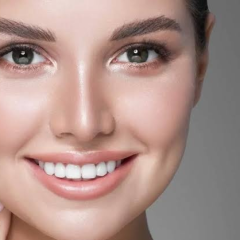
Acne-prone skin often needs more than a treatment session to look and feel its best. The healing period afterward can play an important role in maintaining comfort, supporting the skin barrier, and encouraging a smoother-looking complexion. For people considering Acne Treatment in Dubai, understanding a gentle aftercare routine can make the recovery process easier and help protect the skin from unnecessary irritation.
Whether a treatment focuses on active breakouts, clogged pores, inflammation, or post-acne marks, the skin may be temporarily more sensitive afterward. Simple daily habits can help create a calm environment for the skin while it recovers.
Why Aftercare Matters After Acne Treatment
Acne treatments can work in different ways depending on the method used. Some procedures exfoliate the surface, while others target oil production, inflammation, bacteria, or damaged skin. Because treatments can temporarily affect the skin barrier, following suitable aftercare is an important part of the overall process.
Immediately after treatment, mild redness, dryness, tightness, or sensitivity may occur. These effects can vary depending on the treatment and individual skin type. A gentle routine helps minimize unnecessary friction and supports the skin as it returns to its normal condition.
Instead of using multiple strong products, the goal during recovery should be simple: cleanse gently, hydrate consistently, protect the skin, and avoid unnecessary irritation.
Start With a Mild Cleansing Routine
Cleansing is essential for acne-prone skin, but aggressive cleansing can make recovering skin feel worse. After treatment, choose a gentle cleanser that removes impurities without leaving the skin feeling excessively dry or tight.
Use lukewarm water rather than very hot water, as heat may increase discomfort and redness. Apply the cleanser with clean fingertips and avoid rubbing or scrubbing the treated areas.
After washing, pat the face dry with a soft, clean towel instead of dragging the towel across the skin.
A gentle cleansing routine can include:
- Washing with a mild, non-abrasive cleanser
- Using lukewarm water
- Avoiding facial brushes and rough washcloths
- Patting the skin dry
- Keeping hands clean before touching the face
These small changes can make the healing period more comfortable.
Keep the Skin Properly Hydrated
Hydration is another important part of post-treatment care. When the skin barrier becomes temporarily sensitive, it may lose moisture more easily, leading to dryness or tightness.
A lightweight moisturizer can help maintain comfort while supporting the skin barrier. Look for a formula that suits acne-prone skin and does not feel excessively heavy or irritating.
Moisturizing does not necessarily mean adding a thick layer of product. A simple, suitable moisturizer applied consistently can be enough to help the skin feel balanced.
For people undergoing Acne Treatment in Dubai, hydration can be particularly relevant because environmental factors such as heat, strong sunlight, and air-conditioned indoor spaces may affect how the skin feels during recovery.
Make Sun Protection a Daily Habit
Sun protection should remain a key part of an acne aftercare routine. Treated or healing skin may be more sensitive to sunlight, and excessive UV exposure can contribute to irritation and make post-acne discoloration more noticeable.
Apply a broad-spectrum sunscreen suitable for your skin type when going outdoors. Reapply as recommended, particularly when spending extended periods outside.
Dubai's bright, sunny conditions make daily sun protection especially important. Wearing a hat, seeking shade, and limiting prolonged direct exposure can provide additional protection.
Remember that sunscreen is not only for beach days. Everyday exposure during commuting, walking, shopping, or outdoor activities can also add up over time.
Pause Harsh Products During Healing
One of the easiest ways to support recovery is to avoid overwhelming the skin. Strong active ingredients may not be appropriate immediately after every acne procedure.
Depending on the treatment, a skincare professional may recommend temporarily avoiding certain products, including strong exfoliants or potentially irritating acne ingredients.
During the recovery period, avoid introducing several new products at once. If the skin reacts, it can then become difficult to determine which product caused the problem.
A simple routine is often easier to manage:
- Gentle cleanser
- Suitable moisturizer
- Recommended sunscreen during the day
Additional products can be reintroduced gradually when the skin has recovered and professional aftercare instructions allow it.
Avoid Picking, Scratching, or Squeezing
It can be tempting to touch peeling skin, small bumps, or remaining blemishes after treatment. However, picking and squeezing can unnecessarily irritate the area and may interfere with the healing process.
Keep your hands away from treated areas as much as possible. If peeling occurs, allow the skin to shed naturally rather than manually removing it.
Changing pillowcases regularly and keeping items that touch the face clean can also be helpful. Phones, towels, makeup tools, and pillowcases can collect oils and debris, so maintaining good hygiene around them is a sensible part of an acne-friendly routine.
Be Careful With Heat and Sweating
After some acne treatments, the skin may be more sensitive to heat and excessive sweating for a short period. Depending on the procedure, you may be advised to temporarily avoid activities that significantly increase heat or perspiration.
This can include intense workouts, steam rooms, saunas, or very hot showers.
Because aftercare recommendations vary between treatments, follow the specific instructions provided for your procedure. What is appropriate after one acne treatment may not be suitable immediately after another.
Give Your Skin Time to Recover
It is natural to want quick improvements after an acne treatment, but skin healing takes time. The appearance of redness, dryness, or sensitivity may gradually settle rather than disappearing immediately.
Avoid judging the final outcome too early. Skin can continue changing as inflammation settles and the natural renewal process progresses.
A consistent routine is generally more useful than constantly changing products in search of faster results. Patience, gentle care, and appropriate professional guidance can help support the skin throughout recovery.
When to Seek Professional Advice
Some temporary sensitivity can be expected after certain procedures, but unusual or worsening symptoms should not be ignored.
Contact a qualified skincare professional if you experience significant swelling, increasing pain, severe irritation, unusual discharge, or symptoms that concern you. They can determine whether the reaction is part of the expected healing process or requires additional attention.
Following customized aftercare instructions is especially important because skin type, acne severity, treatment method, and individual healing responses can differ considerably.
Building a Long-Term Acne-Friendly Routine
After the initial healing period, maintaining healthy skincare habits can help support longer-term skin management. Consistent cleansing, hydration, sun protection, and avoiding unnecessary picking can become part of an everyday routine.
For those exploring Acne Treatment in Dubai, aftercare should be viewed as part of the broader skincare journey rather than an optional final step. Treatment may address specific concerns, while daily habits help maintain a supportive environment for the skin.
The most effective routine is not necessarily the most complicated one. A few carefully selected products used consistently can be easier for acne-prone skin to tolerate and easier to maintain over time.
Conclusion
Gentle aftercare can make the healing period following acne treatment more comfortable while helping protect sensitive skin from avoidable irritation. Mild cleansing, regular hydration, daily sun protection, avoiding harsh products, and resisting the urge to pick can all contribute to a calmer recovery.
Anyone considering Acne Treatment in Dubai should follow the specific aftercare guidance provided for their treatment rather than relying on a one-size-fits-all routine. With patience and consistent care, the skin can be given the time and support it needs to recover.
FAQs
1. How soon can I return to my normal skincare routine after acne treatment?
It depends on the treatment performed and your skin's response. Follow the specific instructions provided by your skincare professional before restarting active products.
2. Can I use makeup during acne treatment recovery?
This depends on the procedure and the condition of your skin afterward. If the skin is irritated or peeling, you may be advised to avoid makeup temporarily.
3. Why is sunscreen important after acne treatment?
Healing skin can be more sensitive to sunlight, while UV exposure may contribute to irritation and visible post-acne discoloration. Daily sun protection can help reduce these concerns.
4. Should I exfoliate peeling skin after treatment?
It is generally better not to manually remove peeling skin or exfoliate aggressively during recovery. Allow the skin to shed naturally and follow your professional aftercare instructions.


![N7 Neo UK Reviews [Latest Update] – Formula, Benefits & Daily Use](https://postr.yruz.one/uploads/images/image_870x_647fc414aa697.png)






Comments (0)