

Residential Battery Storage Tasmania: Making Better Use of Home Solar Energy
Transparent, affordable, and high-quality solar packages custom-designed for Southern Tassie homes and businesses. ☀️ Zero jargon, maximum savings.

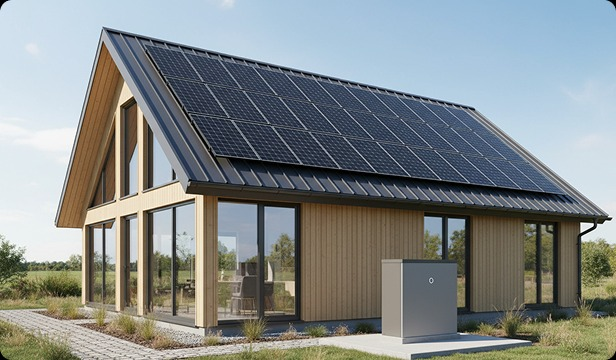
Solar panels allow households to generate electricity during daylight hours, but energy consumption does not always follow the same schedule. Many homes use a significant amount of electricity in the evening, when solar production has reduced or stopped. This is one reason Residential Battery Storage Tasmania has become an important topic for homeowners exploring ways to manage their energy use.
A home battery stores electricity generated by a solar system so it can be used later. Although battery storage can offer greater flexibility, the right solution depends on household consumption, system size, electricity tariffs and budget.
What Is Residential Battery Storage?
A residential battery is an energy storage device that stores electricity for later use. When solar panels generate more electricity than the home needs, surplus energy can be directed into the battery if the system is configured to do so.
The stored electricity can then be used when solar production is low or household demand increases.
Depending on the system design, batteries may also provide backup power during certain grid outages. However, backup capability is not automatic. It depends on the battery, inverter, system configuration and installation arrangements.
Why Are Tasmanian Homeowners Considering Batteries?
Households have different energy requirements, but several common reasons encourage homeowners to investigate battery storage.
One reason is the opportunity to use more self-generated solar electricity. Instead of exporting all surplus daytime energy, a household may store some of it for use later.
Battery storage may also provide greater flexibility when managing electricity consumption. Some systems allow homeowners to monitor battery levels and adjust how stored electricity is used.
For households interested in backup power, selected battery systems may provide additional resilience when configured with suitable backup equipment.
How Does a Solar Battery Work?
During daylight hours, solar panels generate electricity. The home uses the electricity it needs, while surplus generation may be exported to the grid or stored in the battery.
When solar production falls, the battery can discharge stored electricity to supply household demand. If the battery becomes depleted, the property may draw electricity from the grid as usual.
The system's operation depends on its settings, battery capacity, inverter configuration and household energy use.
Choosing the Right Battery Size
Battery capacity is an important factor, but a larger battery is not automatically better.
Homeowners should consider how much electricity they use after sunset and how much surplus solar energy is available during the day. A battery that is too small may not cover the desired evening demand, while an oversized battery may add unnecessary expense.
Recent electricity bills and solar generation information can help establish likely requirements. An installer can use this information to recommend an appropriate capacity.
Battery Quality, Safety and Warranties
A home battery is a significant electrical product, so safety and quality should be central to the selection process.
Compare the battery's usable capacity, power output, warranty conditions, operating specifications and compatibility with the existing solar system.
Ask about installation location, ventilation requirements, safety features and monitoring. It is also important to confirm that the product and installation meet applicable Australian requirements.
Customers should understand what the warranty covers, how performance is measured and who will provide support if a problem occurs.
Adding a Battery to an Existing Solar System
Some households already have solar panels and want to add storage later.
Whether this is possible depends on the existing inverter, system configuration and battery compatibility. Some installations may require additional equipment or changes to the electrical setup.
Before purchasing a battery, ask a qualified installer to assess the existing system. This can help identify suitable options and avoid buying equipment that cannot be integrated as expected.
Is Battery Storage Worth the Investment?
The financial value of a battery varies from household to household. Factors include the purchase and installation cost, electricity tariffs, export rates, household usage and available incentives.
A battery may be more useful when a household has significant evening electricity consumption and sufficient surplus solar generation. However, the financial outcome should be assessed using realistic assumptions rather than guaranteed savings claims.
Ask the installer to explain the expected system operation and the assumptions behind any estimated savings.
Professional Installation Matters
Battery systems require appropriate electrical design and installation. The installer should assess the property, confirm equipment compatibility and explain the proposed battery configuration.
Customers should also ask whether backup power is included, which circuits it can support and how the system behaves during an outage.
Clear documentation and after-installation support are important parts of the overall service.
Final Thoughts
Residential Battery Storage Tasmania offers homeowners another way to manage the electricity generated by their solar panels. By storing surplus energy for later use, a suitable battery may help households make better use of their own electricity.
The best option depends on actual energy consumption, system compatibility, battery quality and installation costs. Careful planning and professional advice can help homeowners decide whether battery storage is appropriate for their property.



















Comments (0)