Himalayan pink salt is one of the most recognizable natural salts in the world. Its soft pink color, coarse crystals, and long history have made it popular in kitchens, bath products, salt lamps, and decorative home items. But beyond its appearance, it is important to understand what Himalayan pink salt actually is, how it differs from ordinary table salt, and how to use it safely.
What Is Himalayan Pink Salt?
Himalayan pink salt is a type of rock salt, or halite, mined from ancient underground salt deposits. One of the most famous sources is the Khewra Salt Mine in Pakistan, though it is not the only source. The salt formed when ancient seas and salt lakes evaporated, leaving thick salt beds that were later buried and preserved underground.
Like other rock salt, Himalayan pink salt is mostly sodium chloride. Its color comes from trace minerals in the deposit, especially iron oxide, which gives it the characteristic pink, rose, or light orange hue. Depending on the specific deposit, the salt can range from pale pink to deeper reddish tones, and some pieces may appear white or translucent.
How Is It Different From Table Salt?
Himalayan pink salt differs from regular table salt mainly in texture, mineral content, and processing.
-
Texture: It is often sold as coarse crystals, chunks, or fine ground salt. Coarse crystals are popular for grinders and salt crust cooking.
-
Color and appearance: Its pink color comes from trace minerals, not from artificial coloring.
-
Processing: Food-grade Himalayan pink salt is cleaned and processed to meet food safety standards. However, it is usually less refined than typical table salt.
-
Additives: Regular table salt often contains iodine and anti-caking agents. Himalayan pink salt is often sold without those additives, though this depends on the brand.
Nutritionally, the difference is small. Himalayan pink salt is still sodium chloride, and it should not be treated as a major source of minerals. Any trace minerals present are in very small amounts.
Culinary Uses
Food-grade Himalayan pink salt is versatile in the kitchen. It can be used for everyday seasoning, finishing dishes, roasting, grilling, and preserving.
Everyday Seasoning
Fine-ground Himalayan pink salt works well as a general-purpose salt for cooking and baking. Coarse crystals are better for salt grinders and for finishing dishes just before serving.
Salt Crust Cooking
Coarse rock salt can be used to create a salt crust around whole fish, chicken, or vegetables. The salt hardens in the oven and helps seal in moisture, producing tender results. This technique requires a large amount of salt and should be done with food-grade salt only.
Pickling and Fermenting
Plain, additive-free food-grade rock salt is useful for pickling and fermenting vegetables. For fermentation, avoid salt with iodine or anti-caking agents, as these can affect the process and the final flavor.
Finishing Salt
Because of its texture and appearance, coarse Himalayan pink salt is often used as a finishing salt. A small pinch added at the table can give a pleasant crunch and visual contrast.
Himalayan Pink Salt Beyond the Kitchen
Himalayan pink salt is also used in non-food products.
Salt Lamps
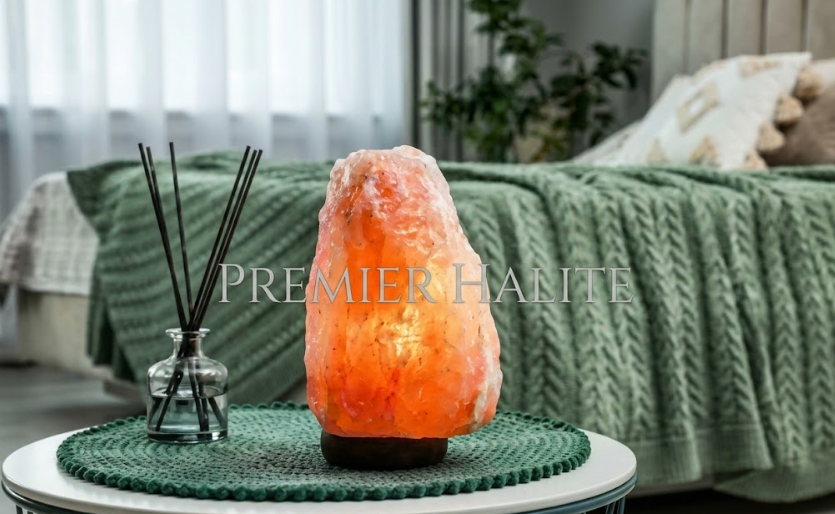
Himalayan salt lamps are made from large chunks of pink rock salt fitted with a light bulb. They are used as decorative lighting. If you own one, keep in mind that salt is hygroscopic, meaning it attracts moisture from the air. Salt lamps should be wiped with a dry or barely damp cloth, never washed or soaked, and kept away from heavy moisture.
Bath Products
Himalayan pink salt is commonly sold for bath soaks and other mineral products. While it is the same basic material as food-grade salt, bath products are not necessarily processed to food-grade standards. Do not assume that salt sold for bath use is safe to eat.
Animal Salt Licks
Rock salt is also sold as mineral licks for livestock and horses. These blocks are not processed to human food safety standards and should never be used for cooking.
Food Grade vs Industrial Rock Salt
This distinction is critical. Food-grade Himalayan pink salt has been cleaned, tested, and approved for human consumption. It is the only type that should be used in cooking.
Industrial rock salt is sold for de-icing roads, water softening, and other non-food uses. It may contain impurities, dust, or contaminants and should never be used in food preparation. Always check the label to confirm that the salt is food grade.
How to Buy Quality Himalayan Pink Salt
When buying Himalayan pink salt, look for:
-
A clear food-grade label: This is especially important if you plan to cook with it.
-
Additive information: If you are fermenting or pickling, choose plain salt without iodine or anti-caking agents.
-
Reputable sourcing: Quality brands provide clear information about where the salt comes from and how it is processed.
-
Consistent texture: Choose coarse, fine, or ground salt based on how you plan to use it.
-
Clean packaging: Avoid damaged or damp packaging, since salt can absorb moisture.
For a trusted source of Himalayan pink salt and related products, visit premierhalite.com.
How to Store Himalayan Pink Salt
Himalayan pink salt should be stored in a cool, dry place in an airtight container. Because salt is hygroscopic, it can absorb moisture from the air and become clumpy or damp. Keep it away from steam, open windows in humid weather, and damp kitchen counters. If the salt becomes damp, spread it out and let it dry completely before storing it again.
Common Misconceptions
A few common claims about Himalayan pink salt deserve clarification:
-
“It contains many essential minerals.” It does contain trace minerals, but in very small amounts. It is not a meaningful nutritional supplement.
-
“It is healthier than table salt.” It is still sodium chloride. Any health differences are minor, and it should be used in moderation like any salt.
-
“It detoxifies the body.” There is no scientific evidence that salt lamps or pink salt detoxify the body.
-
“All pink salt is the same.” Quality, processing, and mineral content can vary by source and brand.
Final Thoughts
Himalayan pink salt is a natural, attractive, and versatile type of rock salt. It works well for everyday seasoning, finishing dishes, salt crust cooking, and pickling, and it is also used in salt lamps and bath products. The most important rule is to choose food-grade Himalayan pink salt for cooking and to store it in a dry place. Used properly, it can be a practical ingredient and a distinctive addition to your kitchen.
















Comments (0)