

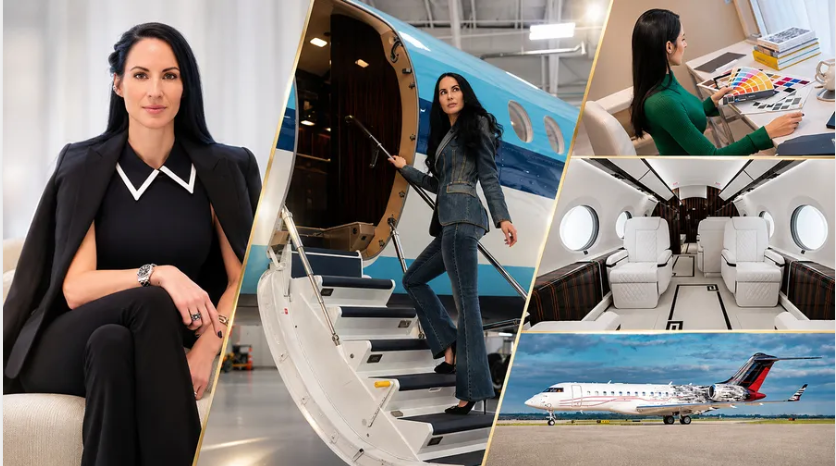
Top Sarah Larranaga named Robb Report Best of the Best 2026 Best in Wings


Luxury is not simply about owning expensive things. It is about quality, creativity, innovation, and the experience behind every product. From powerful supercars and remarkable watches to beautiful yachts, private jets, and extraordinary travel destinations, the luxury world continues to reach new heights in 2026.
Every year, leading brands introduce products that challenge traditional ideas of design and craftsmanship. Some focus on advanced technology, while others protect traditional skills that have taken generations to perfect. The most impressive creations often bring both worlds together.
One of the most interesting annual luxury selections is the Robb Report Best of the Best 2026, which highlights exceptional products, destinations, and experiences across several industries. The annual edition brings together the work of experienced editors and specialist contributors who explore the finest achievements in the luxury market.
Now in its 38th edition, the annual Best of the Best issue covers 15 categories. These include automobiles, watches, travel, jewellery, dining, art, aviation, real estate, design, and more. Rather than focusing only on price or popularity, the selection celebrates creativity, technical skill, and original thinking.
For luxury enthusiasts, collectors, designers, and industry professionals, the 2026 edition offers an interesting look at how modern luxury is changing.
What Is Robb Report Best of the Best?
Robb Report is an international luxury lifestyle publication known for covering premium products, influential designers, exceptional destinations, and high-end experiences.
Its Best of the Best selection is an annual editorial project that recognises outstanding achievements in different luxury industries. The tradition began in 1989 and has developed into a recognised guide for people interested in exceptional products and experiences.
The selection is not simply a list of expensive products. It looks at the details that make something special. This can include engineering, design, material quality, performance, originality, and the vision behind a product.
For example, a luxury watch may stand out because of its complicated movement and careful hand-finishing. A yacht may receive attention because of its innovative layout, advanced technology, and beautiful interiors.
The same thinking applies to hotels, cars, private aircraft, and other luxury experiences.
The 2026 edition continues this tradition by bringing together products and ideas that represent some of the strongest work across the luxury market.
The Main Luxury Categories in 2026
The 2026 selection explores several areas of modern luxury. Each category highlights a different part of the industry and shows how brands are developing new ideas.
1. Luxury Automobiles and Performance Cars
The automotive world remains one of the most exciting parts of luxury culture. In 2026, car manufacturers are competing through advanced engineering, impressive performance, and distinctive designs.
Modern luxury cars offer much more than speed. Buyers also look for comfort, safety, technology, and a unique driving experience.
Supercars and hypercars are especially interesting because they often introduce engineering ideas that later influence other vehicles. Lightweight materials, advanced aerodynamics, hybrid power systems, and improved manufacturing methods are changing what performance cars can achieve.
Design also plays an important role. A beautiful car should have a strong visual identity while supporting its performance. Every curve, air intake, and body panel can serve a purpose.
Luxury automotive brands are also exploring electric technology. Electric powertrains provide instant torque and create new opportunities for vehicle design.
However, traditional engines still have a strong place in enthusiast culture. The sound, character, and mechanical feeling of a powerful engine remain important to many collectors.
The best automotive creations combine performance with personality.
2. Exceptional Watches and Fine Watchmaking
A luxury watch is more than a device that tells time. It can represent history, patience, engineering, and artistic expression.
Watchmakers spend countless hours developing movements, testing materials, and finishing small components. Even a tiny detail can require remarkable skill.
The 2026 watch category reflects a growing interest in technical creativity. Some brands are exploring new ways to display time, while others are improving traditional complications.
A complicated movement may include a tourbillon, chronograph, or advanced calendar system. These features require careful engineering and precise assembly.
Materials also influence modern watch design. Platinum, gold, titanium, sapphire crystal, and other specialist materials offer different visual and technical qualities.
Collectors often consider several factors before choosing a watch:
-
Movement quality and reliability.
-
Brand history and reputation.
-
Originality of the design.
-
Materials and finishing.
-
Production numbers and rarity.
-
Long-term service and maintenance.
The most interesting watches are not always the most complicated. A simple design with excellent proportions and outstanding finishing can be just as impressive.
3. Luxury Yachts and Life on the Water
Yachting represents one of the most distinctive parts of the luxury lifestyle. A private yacht combines engineering, architecture, travel, and personal comfort.
Large yachts can include swimming pools, private cinemas, wellness areas, spacious dining rooms, and guest suites. Some are designed for long international journeys, while others focus on entertainment and relaxation.
In 2026, yacht design continues to explore better use of space, improved efficiency, and more personalised interiors.
A yacht's exterior design is important, but the experience inside matters just as much. Natural light, comfortable furniture, thoughtful room layouts, and access to outdoor spaces can completely change the atmosphere.
The superyacht industry also faces growing interest in environmental responsibility. Designers are exploring more efficient propulsion systems, improved energy management, and materials that reduce environmental impact.
For owners, a yacht is not only a symbol of wealth. It can be a private place to explore the world with family and friends.
4. Private Jets and Luxury Aviation
Private aviation offers flexibility, privacy, and access to destinations that may be difficult to reach through regular commercial flights.
Modern private jets focus on comfort as well as performance. Cabin design, noise reduction, seating arrangements, connectivity, and onboard services all influence the passenger experience.
Some aircraft offer separate working and sleeping areas. Others provide large entertainment spaces and carefully designed interiors.
Technology is another important part of the industry. Modern avionics systems help pilots manage flights, improve situational awareness, and operate aircraft more efficiently.
In the 2026 luxury aviation landscape, manufacturers are working to improve cabin experiences without always increasing aircraft size.
This approach is valuable because better design can create more useful space without requiring a larger airframe.
For business travellers, private aviation can save time. For leisure travellers, it can make long journeys more comfortable and personal.
5. Fine Jewellery and Precious Materials
Fine jewellery combines artistic vision with traditional craftsmanship. Every piece begins with an idea, but turning that idea into a finished creation requires technical knowledge and patience.
High jewellery often features rare gemstones, precious metals, and detailed handwork. Designers must understand how different stones reflect light, how metals behave, and how individual elements work together.
In 2026, jewellery design continues to balance classic elegance with modern creativity.
Some designers prefer bold shapes and unusual combinations of materials. Others focus on traditional settings and timeless forms.
Collectors may look at the quality of gemstones, the reputation of the jewellery house, the originality of the design, and the quality of its construction.
A remarkable jewellery piece should feel beautiful today and remain meaningful for years.
6. Luxury Travel and Extraordinary Destinations
Travel is another major part of the modern luxury industry. For many travellers, luxury is no longer only about staying in an expensive hotel. It is about discovering places and enjoying experiences that feel personal and memorable.
Private island resorts, historic hotels, remote nature retreats, and exclusive cultural journeys attract people looking for something different.
Some travellers want complete privacy. Others prefer exciting adventures, local food, and opportunities to explore unfamiliar cultures.
Luxury hospitality brands are responding with more personalised services. Guests may enjoy private guides, customised activities, private dining, and wellness programmes.
Sustainability is also becoming an important consideration. Responsible tourism, local partnerships, and environmental protection can make a destination more attractive to thoughtful travellers.
The finest travel experiences combine comfort with a genuine connection to the destination.
7. Fine Dining and Culinary Experiences
Food has always been an important part of luxury culture. Fine dining is not simply about expensive ingredients. It is about creativity, technique, presentation, and the complete experience.
Leading chefs often spend years developing their skills. They study ingredients, experiment with flavours, and create menus that tell a story.
In 2026, the fine-dining industry continues to explore new ways of presenting food. Some restaurants focus on local ingredients and traditional cooking methods. Others use modern techniques to create surprising combinations.
The atmosphere also matters. Lighting, table settings, interior design, and service all influence how guests experience a meal.
A memorable restaurant visit can combine excellent food with warm hospitality and a strong sense of place.
8. Luxury Real Estate and Architectural Design
Luxury real estate is about more than large houses and expensive locations. Architecture, privacy, natural light, materials, and the surrounding environment all contribute to a property's value and appeal.
Modern luxury developments often combine beautiful architecture with practical features. Large windows, open living spaces, landscaped gardens, private terraces, and advanced home technology are common elements.
Branded residences have also become an interesting part of the property market. These developments connect residential living with the identity and services of established luxury brands.
Buyers may value professional management, personalised services, security, and access to exclusive facilities.
In 2026, thoughtful architecture and lifestyle-focused planning remain important areas of development.
9. Art, Design, and Creative Innovation
Art and design influence almost every part of luxury culture. They shape how products look, how spaces feel, and how people interact with everyday objects.
Artists, architects, and designers bring different perspectives to the industry. Their work can challenge traditional ideas and introduce new ways of thinking.
Contemporary art includes painting, sculpture, photography, digital work, and mixed-media installations.
Luxury interior design also continues to evolve. Designers combine textures, lighting, furniture, and materials to create spaces with a clear identity.
Some projects celebrate traditional craftsmanship. Others explore technology, unusual materials, and experimental forms.
The strongest designs often balance beauty with purpose.
10. Wine, Spirits, and Cigars
Wine, spirits, and cigars have long been connected with collecting and specialist craftsmanship.
Fine wine reflects its region, climate, grape variety, and production methods. Vintage conditions can also influence the character and availability of particular bottles.
Premium spirits involve careful ingredient selection, production techniques, blending, and ageing. The final character depends on many details, including the quality of the raw materials and the experience of the producers.
Cigar craftsmanship also requires specialist knowledge. Tobacco selection, fermentation, ageing, rolling, and storage all affect the final product.
These industries attract enthusiasts who appreciate heritage, production methods, and the stories behind individual products.
However, luxury recognition should not be confused with a recommendation for consumption. Product quality, cultural significance, and commercial value are separate considerations.
What Makes a Product Truly Exceptional?
Not every expensive product deserves recognition. A high price does not automatically mean something is innovative, beautiful, or well made.
Several important qualities help distinguish exceptional luxury products from ordinary premium goods.
1. Superior craftsmanship
The quality of construction is one of the most important factors. Skilled professionals pay attention to details that many people may never notice. This can include hand-finishing, material selection, precise assembly, and quality control.
2. Original design
A strong design gives a product its identity. It should offer something distinctive rather than simply copying existing ideas.
3. Innovation and technology
Innovation can improve performance, comfort, efficiency, or usability. The best technology solves real problems and creates meaningful benefits.
4. Heritage and experience
A brand's history can add value, especially when it represents decades of knowledge and expertise. However, heritage alone is not enough. Brands must continue to develop.
5. Long-term appeal
Exceptional products should offer qualities that remain attractive beyond a short-lived trend. Durability, timeless design, and reliable performance can contribute to long-term value.
These qualities help explain why editorial luxury selections consider much more than price tags.
Why the 2026 Luxury Market Is Changing
The luxury market is changing as technology, customer expectations, and global economic conditions evolve.
Today's luxury buyers have access to more information than ever before. They can compare products, research manufacturers, watch independent reviews, and learn about production methods before making a purchase.
This means brands must offer more than an attractive logo. They need to demonstrate quality and provide a clear reason for their products to stand out.
Technology is one major influence.
Artificial intelligence, advanced manufacturing, digital design, and new materials are changing how luxury products are developed. Automotive companies can improve engineering processes, while architects can explore more complex building concepts.
Personalisation is another important trend. Customers increasingly appreciate products and services that reflect their own preferences.
A customised watch, private travel itinerary, or specially designed interior can create a more meaningful experience than a standard luxury purchase.
Sustainability is also receiving greater attention. Some buyers want to understand where materials come from, how products are manufactured, and whether brands take responsibility for their environmental impact.
The next stage of luxury will likely depend on how well brands balance innovation, responsibility, quality, and personal experience.
The Importance of Expert Editorial Selection
One reason annual luxury selections attract attention is the knowledge required to evaluate products across different industries.
A luxury automobile and a mechanical watch have very little in common from a technical perspective. Evaluating a yacht requires different expertise from reviewing a hotel or a piece of fine jewellery.
Experienced editors and specialist contributors bring industry knowledge to the process. They can examine products in greater detail and understand the challenges behind their development.
The 2026 annual issue reflects this approach. Its 38th edition brings together editorial research and specialist knowledge across 15 categories.
This makes the selection useful for readers who want to understand more than product names and brand reputations.
It also gives manufacturers and creative professionals an opportunity to see how their work compares with other outstanding developments.
Notable Highlights from the 2026 International Luxury Scene
The wider 2026 awards landscape offers several interesting examples of innovation and craftsmanship.
For instance, the Robb Report Monaco and Côte d'Azur Best of the Best Awards recognised achievements across 15 categories.
Its published winners included:
|
Category |
2026 Winner |
|---|---|
|
Watch of the Year |
Bovet Récital 32 |
|
Private Jet of the Year |
Bombardier Global 8000 |
|
Best Superyacht |
Maiora 36 Exuma |
|
Best Gigayacht |
Leviathan by Oceanco |
|
Best Design Studio |
Pininfarina |
|
Jewellery of the Year |
Boghossian Queen Indradevi Necklace |
|
Best Destination Estate |
Castelfalfi |
|
Best Property |
Westminster Tower by London Square |
|
Cigar of the Year |
Plasencia Alma Fuerte Robustus I |
These are regional Monaco and Côte d'Azur award results, not a substitute for the winners or editorial selections in every international Robb Report edition.
They demonstrate the range of industries involved in modern luxury recognition. From advanced aviation to high jewellery, different sectors are finding new ways to combine technical expertise with creative thinking.
Who Should Follow the Best of the Best Selection?
The annual luxury selection can interest several types of readers.
Luxury enthusiasts: People who enjoy premium cars, watches, travel, fashion, and design can discover products and experiences worth exploring.
Collectors: Watch, jewellery, art, and automobile collectors can use editorial coverage to discover interesting developments and emerging designs.
Business owners: Luxury brand founders and executives can learn how successful companies communicate quality, develop products, and build distinctive identities.
Designers and creative professionals: Architects, product designers, and artists can find inspiration in innovative materials, visual concepts, and manufacturing techniques.
Travel enthusiasts: Readers interested in exclusive hotels, fine dining, and unusual destinations can discover new ideas for future journeys.
The selection is particularly useful for people who enjoy understanding the thinking behind exceptional products rather than simply looking at their prices.
How to Explore Luxury Products More Carefully
Reading about luxury products can be enjoyable, but making a purchase requires more research.
Before investing in a premium product, consider these practical points:
-
Research the manufacturer: Learn about the company's history, reputation, and experience.
-
Understand the materials: Check which materials are used and why they matter.
-
Compare alternatives: Look at competing products in the same category.
-
Check authenticity: Buy through trusted retailers or authorised representatives.
-
Consider maintenance: Expensive watches, cars, yachts, and properties can require significant ongoing costs.
-
Think about personal value: Choose something that matches your interests and lifestyle rather than buying only for its reputation.
These steps are important because luxury purchases can involve significant financial commitments.
A product may be impressive on paper but unsuitable for a particular buyer. Personal needs should always come before brand recognition.
The Future of Luxury Beyond 2026
The luxury industry will continue to develop as new technologies and creative ideas emerge.
Electric mobility, advanced materials, intelligent home systems, personalised hospitality, and innovative architecture are likely to influence future products.
However, technology alone will not define the future of luxury.
Traditional craftsmanship will remain important because people still appreciate the human skill behind exceptional products. A carefully finished watch or a beautifully constructed piece of furniture can have lasting appeal even as manufacturing methods change.
Luxury brands will also need to build stronger relationships with customers. Personal service, transparency, product quality, and trust will matter increasingly.
Another important development is the growing interest in experiences rather than possessions. Some customers may prefer a private journey, an unforgettable meal, or time spent in a remarkable destination over purchasing another expensive object.
This does not mean traditional luxury products are losing their importance. Instead, the definition of luxury is becoming broader.
For some people, luxury means owning a rare supercar. For others, it means having the freedom to travel, enjoy privacy, or spend time with family.
The industry must understand these different expectations if it wants to remain relevant.
Conclusion
Luxury in 2026 is about much more than wealth and expensive products. It represents creativity, technical achievement, personal expression, and the dedication of people who want to make something exceptional.
From remarkable watches and powerful automobiles to private aviation, fine dining, yachts, and extraordinary destinations, the industry continues to introduce ideas that challenge traditional expectations.
The Robb Report Best of the Best 2026 offers an interesting overview of these achievements. Its 38th annual edition explores 15 categories and highlights the importance of craftsmanship, innovation, and editorial expertise.
For collectors, business professionals, designers, and luxury enthusiasts, it provides an opportunity to discover what is shaping the premium lifestyle market.
Ultimately, true luxury is not measured only by how much something costs. It is measured by the thought, skill, quality, and experience that make it special.
The most remarkable products are those that offer something meaningful today while creating a lasting impression for tomorrow.














Comments (0)