

Artificial Grass vs Natural Lawn in the UAE: Water, Cost and Upkeep Compared

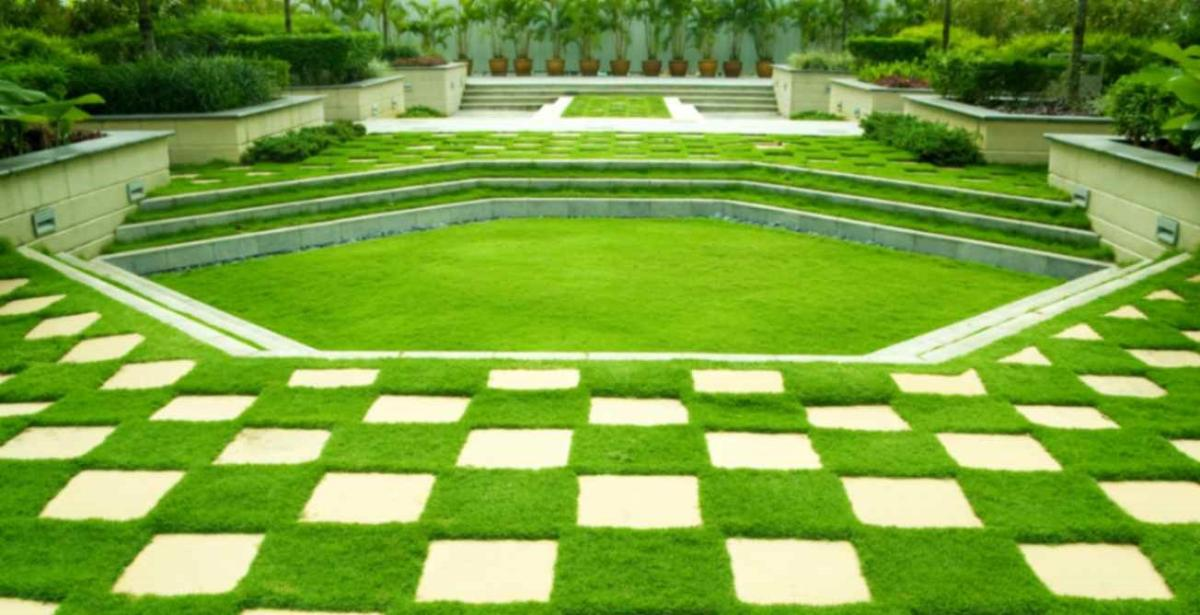
Every UAE homeowner who dreams of a green garden eventually faces the same question: should the lawn be real or synthetic? Natural grass looks lovely in brochures, but keeping it alive through a long desert summer is a very different story. Before you call landscapers or speak to artificial grass suppliers in UAE, it helps to understand how the two options compare on water, money, time and comfort. A good artificial turf supplier in uae will happily talk you through the numbers, and so will any honest artificial grass supplier in uae, but this guide gives you a clear, simple starting point.
Why This Choice Matters More in the UAE
In cooler countries, a lawn is a low-effort feature. Rain does most of the watering and mild temperatures keep the grass growing evenly. In the UAE, the picture is very different.
-
Summer temperatures regularly pass 45°C.
-
Rainfall is rare and unpredictable.
-
Soil is often sandy and holds very little water.
-
Humidity near the coast encourages fungus and pests.
-
Dust and sand settle on every surface.
Because of these conditions, a natural lawn here is not a "plant it and forget it" feature. It is a living system that needs daily support. Synthetic grass, on the other hand, was designed to handle exactly the problems that make natural lawns hard work.
Water Use: The Biggest Difference
How Much Water a Natural Lawn Needs
A healthy natural lawn in the UAE can need watering once or even twice a day during the hottest months. Sprinklers often run early in the morning and again in the evening to avoid evaporation in the midday sun. Even then, a large share of that water simply disappears into the air or drains through sandy soil.
For a typical villa garden, this can add up to thousands of litres every week. Over a year, the total is significant, both for your utility bill and for the wider environment in a country where fresh water is produced at great cost through desalination.
How Much Water Synthetic Grass Needs
Artificial grass does not need watering to stay green. The only water it uses is for occasional rinsing to remove dust, pet waste or spills. Some homeowners also give the surface a quick spray on very hot afternoons to cool it before children play.
In practical terms, most families find that their outdoor water use drops sharply after switching. For schools, communities and hotels with large green areas, the savings can be even more dramatic.
Cost: Upfront Price vs Long-Term Spending
Natural Lawn Costs
Natural grass usually looks cheaper at the start. Seed or turf rolls, soil preparation and an irrigation system are the main upfront costs. However, the spending does not stop once the lawn is planted. Ongoing costs include:
-
Daily irrigation water
-
Fertiliser and soil treatments
-
Pest and fungus control
-
Mowing, edging and trimming
-
Replacement of dead or patchy areas
-
Gardener labour, often several visits a week
When summer stress kills sections of the lawn, many homeowners end up re-turfing every year or two. Those repeat costs quietly add up.
Artificial Grass Costs
Synthetic turf usually has a higher upfront price. You are paying for the grass itself, base preparation, drainage, infill where needed and professional installation. After that, ongoing costs are low:
-
Occasional rinsing
-
Brushing to lift the fibres
-
Topping up infill in busy areas
-
A periodic professional clean, if you choose
Many property owners find that the extra installation cost is recovered within a few years through lower water bills and reduced maintenance. After that point, the synthetic option is usually the cheaper one.
Thinking in Total Cost of Ownership
Instead of comparing only the price on day one, compare the total spend across eight to ten years. That simple shift in thinking often changes the decision completely. Ask for a written breakdown that covers installation, expected lifespan and typical yearly care, so you can compare like with like.
Upkeep and Time
Weekly Work for a Natural Lawn
A natural lawn in the UAE needs regular attention to stay green. Mowing, watering checks, weeding, sprinkler repairs and pest treatments all take time. If you employ a gardener, you also need to manage schedules and costs. If you do it yourself, weekends can easily disappear into lawn care.
Weekly Work for Synthetic Grass
Synthetic grass mostly needs a quick tidy. Clearing leaves, brushing the fibres and rinsing off dust usually takes minutes rather than hours. There is no mowing, no fertiliser and no wilting after a hot week. For busy families, this freedom is often the main reason they switch.
Look and Feel Through the Seasons
Natural Grass Through the Year
Natural lawns can look stunning in the cooler months from November to March. During summer, however, they often turn yellow, thin or patchy, especially in areas with heavy foot traffic or poor sprinkler coverage. Shaded corners may stay damp and develop moss or fungus, while sunny corners dry out.
Synthetic Grass Through the Year
Good-quality synthetic grass looks the same in August as it does in January. Modern products use a mix of colours and fibre shapes to copy the natural variation of real grass, so they no longer look flat or plastic. Many visitors cannot tell the difference without touching the surface.
Comfort Underfoot
Natural grass is cool and soft when well cared for, but it can also be muddy after watering and prickly when dry. Synthetic grass is soft and even, with no mud and no thorny weeds. The main comfort issue is heat, which is covered below.
Heat and Surface Temperature
It is important to be honest: synthetic grass can get hot in direct summer sun. Any surface exposed to strong sunlight will warm up, but artificial fibres can feel hotter than living grass, which cools itself through moisture.
There are several practical ways to manage this:
-
Choose products with heat-reducing fibre technology.
-
Add shade sails, pergolas or trees over play and seating areas.
-
Use a light rinse before play on very hot afternoons.
-
Plan outdoor activities for mornings and evenings in summer.
With sensible planning, families use synthetic lawns comfortably for most of the year.
Environmental Considerations
Points in Favour of Natural Grass
Natural grass produces oxygen, supports insects and helps cool the air through evaporation. These are real benefits, especially in large parks.
Points in Favour of Synthetic Grass
In the UAE, the environmental cost of keeping natural grass alive is high. Desalinated water, fertilisers, pesticides and fuel for mowers all have an impact. Synthetic grass removes most of these inputs. Many products are now also designed to be recyclable at the end of their life.
A Balanced Approach
Many gardens now combine both. Some homeowners keep natural planting such as shrubs, palms and flower beds, while using synthetic grass for the main lawn area. This mix gives greenery and shade without the heavy water demand of a full natural lawn.
Where Each Option Works Best
When Natural Grass Can Make Sense
-
Very large parks with dedicated maintenance teams
-
Areas where natural cooling is a top priority
-
Projects with access to treated irrigation water
When Synthetic Grass Is the Better Fit
-
Villa gardens and townhouse yards
-
Rooftops, balconies and terraces
-
School play areas and nursery yards
-
Pet areas that need easy cleaning
-
Commercial landscapes that must look neat every day
-
Shaded spots where natural grass will not grow
Questions to Ask Before You Decide
Before choosing, it helps to answer a few simple questions:
1. How much time do you want to spend on garden care each week?
2. What is your budget for installation, and what is your budget for yearly upkeep?
3. Who will use the lawn most: children, pets, guests or all of them?
4. How much shade does the area get during the day?
5. Is the site drained well, or does water tend to pool?
Your answers will usually point clearly in one direction. When you share these answers with artificial grass suppliers in uae, they can recommend a product with the right pile height, density and backing for your space.
What to Look For When You Choose Synthetic Grass
If you decide that synthetic grass is right for you, keep these points in mind:
-
UV stability: The fibres should be made to resist fading in strong sun.
-
Drainage: The backing should drain quickly, with a well-prepared base beneath.
-
Warranty: Look for a clear written warranty that covers fading and wear.
-
Installation quality: Neat seams, firm edges and a level base make a huge difference.
-
Samples: Always see and touch samples in daylight before you commit. Any trusted artificial grass supplier in uae should be happy to leave a few pieces with you.
An experienced artificial turf supplier in UAE will also visit the site, check the levels and suggest the right base build-up for your soil.
Planning the Switch From a Natural Lawn
If you already have natural grass, the move to synthetic is fairly simple when handled properly:
1. The old lawn, roots and weeds are removed.
2. Irrigation lines in the lawn area are capped or rerouted to planting beds.
3. The ground is levelled and compacted.
4. A crushed stone or similar base layer is added for drainage.
5. A weed barrier is laid where needed.
6. The synthetic grass is rolled out, joined and secured.
7. Infill is spread and brushed in if the product requires it.
Most villa gardens can be completed in a few days. Ask your artificial grass supplier in uae for a clear timeline so you can plan around family life.
Getting Fair, Comparable Quotes
Ask for the Same Specification
When you collect prices, make sure every quote describes the same product and the same scope of work. One price may include base preparation and drainage while another covers only the grass. Ask each company to list the fibre height, density, backing type, base depth and edging method. This makes comparison simple and fair.
Check References and Past Work
Reputable artificial grass suppliers in uae are usually glad to share photos of finished projects or arrange a visit to a lawn they installed a few years ago. Seeing how a surface has aged in real UAE sun is far more useful than any brochure.
Understand the Aftercare
Ask what happens after handover. Will someone return to brush and top up infill after the first few months? Is there a simple care guide? A dependable artificial turf supplier in uae will explain the aftercare clearly and give you contact details for any warranty questions.
Final Thoughts
Natural grass and synthetic grass both have a place, but in the UAE climate the balance often tips towards synthetic for homes, schools and commercial spaces. That is why so many property owners now speak to artificial grass suppliers in uae before they plant a single seed. It saves large amounts of water, cuts weekly work and stays green through the hottest months. The higher upfront cost is usually offset by lower long-term spending.
The best decision comes from looking at your own space, your budget and the way your family uses the garden. Compare the total cost over several years, see samples in person and ask your chosen artificial turf supplier in uae or artificial grass supplier in uae plenty of questions. With the right product and careful installation, you can enjoy a green, welcoming outdoor space all year round without worrying about the next heatwave.















Comments (0)