

From Bakery Shelf to British Homes: The Art of Chocolate Chip Cookie Packaging
Discover how chocolate chip cookie packaging helps UK bakeries protect freshness, build trust, improve shelf appeal, and create memorable customer experiences.

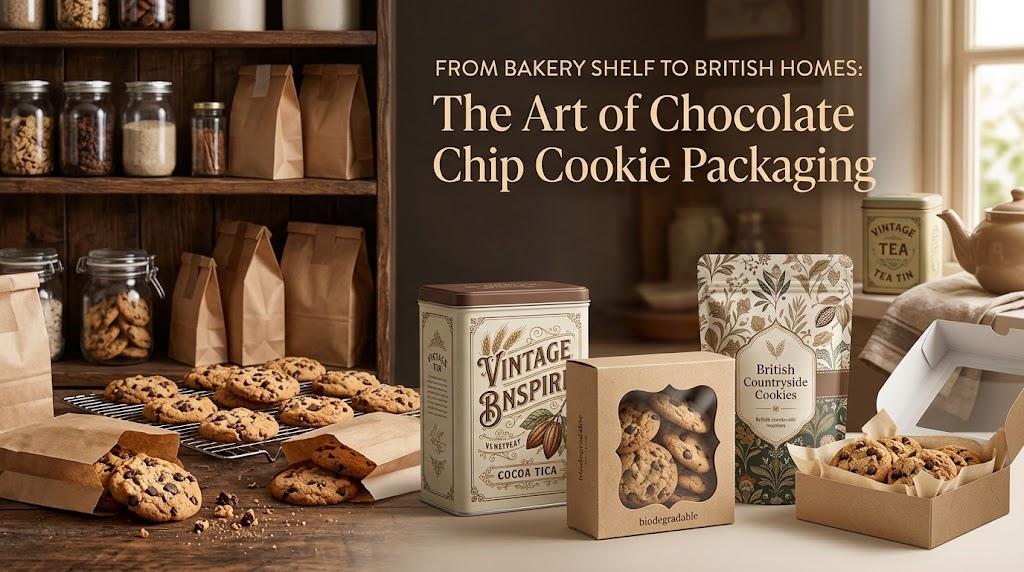
The first impression of a cookie often happens before the first bite. A warm, golden chocolate chip cookie may carry the comforting aroma of a family recipe, but its packaging is what introduces the product to customers in a shop, market, café, or online order. In the competitive UK bakery market, thoughtfully designed chocolate chip cookie packaging can transform a simple treat into a recognisable and desirable brand.
For independent bakers, cafés, artisan food producers, gift companies, and growing online businesses, packaging is more than a protective covering. It is a silent salesperson. It communicates flavour, quality, personality, and trust in just a few seconds.
Why Packaging Matters for Cookie Brands
Chocolate chip cookie packaging are familiar products, which makes differentiation especially important. Customers can find similar-looking cookies in supermarkets, local bakeries, farm shops, and online stores. Packaging gives a brand the opportunity to answer an important question: why should someone choose this product?
Effective packaging can highlight:
-
The handmade character of the cookies.
-
The quality of the ingredients.
-
The brand’s story and personality.
-
The product’s suitability for gifting.
-
The care taken to protect freshness.
-
The visual style customers can remember.
A plain wrapper may protect the product, but distinctive chocolate cookies packaging helps create a complete brand experience. A premium box with rich brown tones can suggest indulgence, while kraft paper, soft neutrals, and natural textures can communicate an artisanal approach. Bright colours and playful illustrations may appeal to families, younger shoppers, or cafés with a cheerful identity.
Creating a Cinematic Unboxing Experience
Great packaging can make a customer feel as though they are entering a small story. Imagine opening a carefully printed cookie box: the lid reveals a warm message, the inner flap carries a short note about the recipe, and the cookies sit neatly in a secure presentation tray. This sequence creates anticipation before the product is tasted.
That is the value of cinematic packaging. It uses visual movement and sensory detail to turn an ordinary purchase into a memorable moment.
For chocolate chip cookies packaged for delivery or gifting, brands can build this experience through:
-
A strong front-panel image that shows the cookie texture.
-
A carefully selected colour palette inspired by chocolate, caramel, or baked dough.
-
Interior printing that surprises the customer when the box opens.
-
Custom stickers or labels that add a handmade finishing touch.
-
Short brand messages that feel warm rather than overly promotional.
-
Window cut-outs that reveal the actual cookies.
The goal is not to make packaging complicated. The goal is to guide the customer through a visual journey: notice, open, discover, taste, and remember.
Packaging Ideas for UK Bakeries
Different businesses need different packaging formats. A small home bakery may prefer compact boxes for local orders, while a retail brand may require packaging suitable for shelves, displays, and courier handling.
Popular options include:
Window cookie boxes
A transparent window allows customers to see the product before purchasing. This works especially well when the cookies have visible chocolate chunks, a thick texture, or an attractive handmade finish.
Folding cartons
Folding cartons are practical for retail and gifting. They can be printed with ingredients, flavour descriptions, brand messages, and seasonal artwork while remaining easy to store before assembly.
Kraft-style boxes
Kraft packaging is often associated with natural, handmade, and small-batch food products. It can be paired with dark brown, black, cream, or muted colour printing for a refined bakery look.
Cookie sleeves and bands
A printed sleeve can add branding to a plain food-safe container. This approach may suit limited-edition flavours, café collections, or businesses testing a new product range.
Resealable pouches
Pouches are useful when customers may not eat all the cookies at once. Resealable features can support convenience, although the material and recycling instructions should be considered carefully for the UK market.
Design for Trust and Clarity
Beautiful design must work alongside accurate product information. UK pre-packed food generally requires key details such as the name of the food, ingredients, allergen information, net quantity, and relevant date or storage information. Allergenic ingredients must be clearly emphasised in the ingredients list, which is particularly important for cookies containing wheat, milk, eggs, soya, peanuts, or tree nuts.gov+1
This means the design should leave enough space for readable information rather than treating legal copy as an afterthought. Customers should be able to find essential details quickly, especially when shopping in a busy store or ordering online.
A strong front panel may include:
-
Product name.
-
Flavour description.
-
Number or weight of cookies.
-
Brand name.
-
A short quality statement, where accurate.
-
A clear visual cue such as a cookie image or viewing window.
The back or side panel can include the ingredients, allergen statement, nutrition information where applicable, storage advice, business details, and a concise brand story. Always check the final artwork against current UK requirements before printing.
Sustainable Choices with Local Relevance
Sustainability has become an important consideration for UK consumers and food businesses. However, sustainable packaging should be approached honestly. Instead of relying only on vague claims such as “eco-friendly,” brands can make practical decisions about reducing unnecessary material, choosing suitable board, and providing clear disposal information.
Packaging businesses supplying the UK market also need to be aware of Extended Producer Responsibility requirements. Depending on the organisation’s size and activities, businesses may have reporting and financial responsibilities for the packaging they place on the UK market. UK guidance lists recycling targets for different materials, including paper and board, plastic, glass, aluminium, and steel.gov+1
For cookie brands, sensible questions include:
-
Can the box use one material instead of several?
-
Is the packaging appropriately sized for the product?
-
Can excessive plastic windows, laminations, or inserts be avoided?
-
Is the chosen material suitable for food contact?
-
Can customers understand how to dispose of it?
-
Does the structure protect cookies without creating unnecessary waste?
The best solution balances product protection, appearance, practicality, and end-of-life considerations.
Helping Customers Find the Brand Online
Packaging and search visibility can support each other. A customer may photograph a beautifully presented cookie box and share it on social media, creating organic recognition for the brand. Printed packaging can also encourage customers to search the business name, scan a QR code, or revisit the online shop.
For UK-focused bakery brands, natural wording around chocolate chip cookie packaging, chocolate cookies packaging, and chocolate chip cookies packaged can help clarify the product range across packaging, product pages, and business profiles. The wording should remain natural and useful rather than appearing forced.
For example, a bakery serving customers in London, Manchester, Birmingham, Leeds, or Edinburgh might present packaging that reflects its local identity while still appealing to customers throughout the UK. A short line such as “Baked in small batches for cookie lovers across the UK” can communicate both origin and reach, provided it is accurate.
Custom Packaging Labels for a Memorable Finish
Labels are a flexible way to refresh packaging without redesigning an entire box. Custom Box Packaging Labels can help bakery businesses create branded seals, flavour labels, seasonal stickers, thank-you messages, and batch identifiers for different products.
A label might say:
-
“Classic Chocolate Chip.”
-
“Baked for sharing.”
-
“Small-batch bakery.”
-
“Limited winter flavour.”
-
“Thank you for supporting our bakery.”
The most effective labels are easy to read, consistent with the main packaging, and appropriate for the product’s personality. A simple round seal may suit a traditional bakery, while a bold rectangular label could work for a modern café brand.
A Packaging Investment That Builds Recognition
Chocolate chip cookies may be enjoyed in minutes, but effective packaging can keep the brand in a customer’s mind much longer. It protects the product, frames the first impression, communicates essential information, and creates a reason to share the experience.
For UK bakeries and food businesses, the strongest packaging combines attractive design with practical structure, clear labelling, responsible material choices, and a recognisable brand voice. When every detail works together, chocolate chip cookie packaging becomes more than a box or wrapper. It becomes part of the product people remember, recommend, and buy again.







Comments (0)