

How Live Cricket Data Helps Fans Understand Changing Match Pressure with cricket betting id
Learn how live cricket data, wickets, run rates, partnerships and recent overs help fans understand changing match pressure during a game.

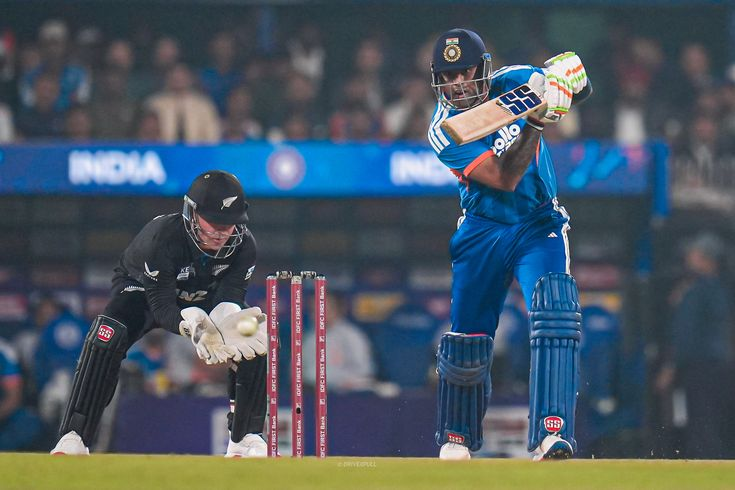
Live cricket is no longer followed only through the score at the end of an over. Fans can watch the action, check the latest score, review recent balls, and compare key numbers while the match is still moving. For someone using cricket betting id information, this makes it easier to understand why pressure can rise or fall from one over to the next.
Match pressure is not represented by one statistic. It comes from several connected factors: runs, wickets, overs remaining, scoring rate, required rate, partnerships, and recent events. Reading these numbers together gives a clearer picture than reacting to every boundary or wicket on its own.
What Match Pressure Means in Live Cricket
Match pressure describes how difficult the current situation appears for a batting or bowling side. It can change quickly because cricket gives every delivery a different value depending on the score, wickets, and time remaining.
Consider a chasing team that needs 60 runs from 30 balls. If it has eight wickets available and has just scored two boundaries, the situation looks different from a team needing the same 60 runs with only three wickets left.
The target has not changed, but the context has. That is why live data matters.
A cricket betting id user can use the scorecard to see this context, but the same information is useful for any fan trying to understand the match. The goal is not to predict the result from one number. It is to understand what has changed and why.
Start With Four Basic Numbers
A live score becomes easier to read when you begin with four simple figures:
-
Current score
-
Wickets lost
-
Overs or balls remaining
-
Target, if the team is chasing
These numbers establish the basic match situation.
For example, suppose a team is 110 for 3 after 15 overs in a T20 innings. Another team might also be 110 for 3 after the same number of overs in a different match. The numbers look identical, but the pitch, batting quality, recent scoring pattern, and remaining bowling resources could make the two situations very different.
This is why the score should be treated as a starting point rather than a complete explanation.
Current Run Rate and Required Run Rate
Current run rate shows how quickly a team has scored so far. Required run rate applies to a chase and shows the average scoring pace needed from the remaining overs.
Imagine a hypothetical chase of 180. If the chasing side has 100 runs after 14 overs, it needs 80 from 36 balls. Its required rate is therefore higher than the rate it has maintained across the innings.
If the next over produces 15 runs, the required rate falls. If the batting side loses two wickets and scores only three runs from the next over, the pressure can rise again.
Neither number predicts the final result. They simply describe the scoring situation at a particular point.
For readers following live score updates, this distinction is useful because it prevents a common mistake: assuming that a strong current run rate automatically means the chase is comfortable.
Cricket id Why Wickets Change the Picture
Runs tell you how much has been scored. Wickets tell you how many batting resources have been lost.
This difference becomes especially important late in an innings. A team may have a manageable required rate but only two wickets left. Another team may need more runs but still have seven wickets available. Looking at the required rate alone would miss that difference.
Partnerships also matter. A stable partnership can allow batters to rotate the strike and choose when to attack. A wicket can interrupt that pattern and bring a new batter into the middle.
When reading Cricket id information, look at the current partnership alongside the total score. Ask how many runs have come from the partnership, how many balls it has faced, and whether the scoring rate has changed since it began.
These details help explain why pressure can shift even when the score changes only slightly.
Recent Overs Often Reveal More Than the Full Innings
A full innings average can hide what is happening right now.
Suppose a team scores 6, 7, 8, 7, and 15 runs across five overs. The last over is clearly different from the earlier pattern. A fan looking only at the overall run rate may miss that acceleration.
The opposite can happen too. A team can begin quickly and then slow down for several overs. Its total may still look strong, but the recent scoring pattern may show that the bowling side has regained some control.
Ball-by-ball information helps explain these changes. A sequence of dot balls followed by a boundary is different from an over containing steady singles and twos. A wicket in the middle of an over can also change the next few deliveries because a new batter may need time to settle.
This is where cricket betting id information can provide context alongside the live score, but the underlying match data should remain the starting point for understanding what is happening.
Cricket id and the Importance of Match Phase
The same event can have different meaning depending on when it happens.
A boundary in the opening overs can help build a strong base. A boundary near the end of a chase can immediately reduce the number of runs still required. A wicket early in an innings gives the batting side more time to recover, while a wicket in the final overs can remove a batter at a critical moment.
The match phase also changes how much time remains to respond.
In a T20 match, a few overs can represent a large part of the remaining innings. In a longer format, the same number of overs has a different meaning. That is why data should always be read in relation to the format and stage of play.
A Cricket id screen with score, wickets, overs, recent balls, and partnership details can therefore be more useful than a single headline number. This is also where cricket id online tools can make live information easier to compare on a mobile screen.
How Mobile Viewing Changes Live Cricket Tracking
Indian cricket fans increasingly use digital screens alongside live viewing. Google reported in May 2026 that 90% of surveyed cricket fans were active on a second screen while watching a match. The same report described fans using Search to explore real-time statistics and changing match situations.
This means a fan can watch the match on one screen while checking a scorecard or statistics on another device. The extra information can answer questions quickly: How many runs are needed? How many wickets remain? Has the scoring rate changed? Which batter is involved in the current partnership?
The benefit comes from using the second screen selectively. Checking every available statistic can make a live match harder to follow rather than easier.
Which Numbers Are Worth Watching?
A simple live-data routine can cover most situations.
| Number | Why it matters |
|---|---|
| Score | Shows the current total |
| Wickets | Shows remaining batting resources |
| Overs/balls | Shows how much time remains |
| Current run rate | Shows scoring pace so far |
| Required run rate | Shows the pace needed in a chase |
| Recent overs | Shows whether scoring is accelerating or slowing |
| Partnership | Shows how the current batters are contributing |
| Recent balls | Provides immediate delivery-by-delivery context |
You do not need to track all of these constantly. Start with the score, wickets, and remaining overs. Add the required rate during a chase and recent scoring when the match begins to change quickly.
This keeps the information manageable.
Do Not Treat One Event as the Whole Story
A six can change the score quickly, but it does not automatically mean that one side has complete control. The next few balls still matter.
The same applies to a wicket. Losing a batter can increase pressure, but the effect depends on who was dismissed, who comes next, how many wickets remain, and how much time is available.
A useful approach is to compare the event with the wider match state.
Ask:
-
What was the situation before the event?
-
What changed because of the event?
-
What resources remain?
-
Has the recent scoring pattern changed?
-
How much time is left?
These questions turn a live update into useful context.
How Live Data Can Reduce Confusion
Fast-moving matches can create information overload. A score may update, a player statistic may change, commentary may describe the pressure, and other numbers may move at the same time.
The simplest solution is to separate information into three layers.
First, look at the current state: score, wickets, and overs.
Second, look at the direction: recent scoring, wickets in recent overs, and changes in the required rate.
Third, look at the reason: a new batter, a strong partnership, attacking shots, accurate bowling, or a change in the number of balls remaining.
This structure helps fans understand the match without trying to process every available number.
Why Market Information Should Be Read Separately
Some digital cricket services place live match information beside changing market prices. These figures answer different questions.
A scorecard describes what has happened on the field. A market price reflects how participants are valuing the possible outcomes at that moment. It can move quickly after a wicket, boundary, or other significant event.
For someone using cricket betting id data, keeping these two forms of information separate can make the screen easier to interpret. A cricket id online view can help keep the scorecard and recent match information together.
Market movement is not a guarantee of what will happen next. Cricket remains uncertain, and a match can change through a small number of deliveries.
Common Mistakes When Reading Match Pressure
One common mistake is focusing only on the score. A score without wickets and overs gives an incomplete picture.
Another mistake is treating required run rate as a prediction. It is a calculation based on the runs needed and the remaining opportunities to score.
Fans can also overlook recent overs. A team may have a good overall rate but be struggling at the current stage. Another side may have a modest innings rate but suddenly accelerate.
A final mistake is watching too many statistics at once. More numbers do not automatically create better understanding. The best information is the information that answers the question you currently have.
A Simple Way to Follow a Live Match
You can use a short routine throughout an innings.
Start with the score and wickets. Check the overs remaining. If it is a chase, check the required rate. Then look at the last two or three overs. Finally, check the current partnership and any major event from the latest over.
After that, pause and ask what actually changed.
If the required rate has fallen, find out why. If it has risen, check whether the cause was low scoring, a wicket, or simply fewer balls remaining. If the score has accelerated, look at whether boundaries or running between wickets created the change.
This approach keeps live analysis practical and avoids turning every delivery into a separate prediction.
Key Takeaways
-
Match pressure is a combination of score, wickets, time, scoring pace, and recent events.
-
Current run rate describes past scoring pace, while required run rate describes the pace needed in a chase.
-
Wickets can change the meaning of a score because they affect the batting resources that remain.
-
Recent overs can reveal a change in pressure that an overall innings average hides.
-
Partnerships help explain how a team is building or recovering an innings.
-
Mobile and second-screen use gives fans quicker access to live cricket information. Google reported 90% second-screen use among surveyed Indian cricket fans in its 2026 research.
-
The most useful live analysis connects several numbers instead of reacting to one event.
Conclusion
Live cricket data gives fans a clearer way to understand changing match pressure. The score tells you where the match stands, while wickets, remaining overs, scoring rate, partnerships, and recent deliveries explain why the situation may be changing.
For anyone using cricket betting id information, the same principle applies: a cricket id online view can help organize live score information, but it does not change the uncertainty of the match. Market information can provide context about how the market is reacting, but it cannot remove uncertainty or guarantee an outcome.
A simple habit works well. Start with the score, add wickets and time, check the scoring direction, and then look at the latest events. This makes live cricket easier to follow without turning every statistic into a prediction.
FAQs
What does match pressure mean in cricket?
Match pressure describes how difficult the current situation appears for a batting or bowling side. It can be understood through the score, wickets, remaining time, scoring rate, and recent events.
Which live cricket statistics are most useful?
Score, wickets, overs remaining, current run rate, required run rate, partnerships, and recent overs are useful starting points. The most useful number depends on the situation.
Why is required run rate important during a chase?
It shows the average scoring pace needed from the remaining overs to reach the target. A rising required rate means the chasing side needs to score faster from that point.
Can one wicket change match pressure?
Yes, but its importance depends on the batter dismiss










Comments (0)