

Gym Bags in the UAE: How to Keep Your Workout Gear Fresh and Organised
A good gym bag should fit your workout routine, your commute, and the items you carry most often.


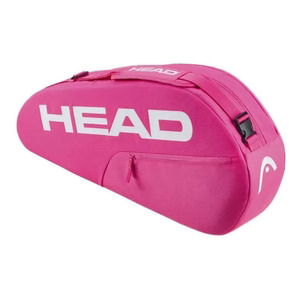
A gym bag should make getting to your workout easier, not create another thing to manage.
Whether you train before work, visit the gym after a long day, or fit exercise into your weekend, the right bag helps you carry your essentials without mixing everything together. It can also make it easier to separate used clothing, footwear, toiletries, and personal belongings.
For fitness enthusiasts across Dubai, Abu Dhabi, Sharjah, Ajman, Ras Al Khaimah, and the rest of the UAE, choosing a gym bag means considering more than size and appearance. The layout, ventilation, material, carrying comfort, and cleaning requirements can all affect how useful it becomes.
Start With What You Take to the Gym
Before choosing a bag, list the items you normally carry.
A typical gym session might require:
-
Training clothes
-
Sports shoes
-
Towel
-
Water bottle
-
Toiletries
-
Headphones
-
Phone and keys
-
Small training accessories
Your requirements may change depending on the activity. Someone who lifts weights may need little more than clothing and a towel, while a swimmer may need additional space for wet items.
Choose a bag that fits your actual routine rather than buying the largest option available.
Why Bag Organisation Matters
A poorly organised bag can turn a simple workout preparation routine into a frustrating search for small items.
Dedicated compartments can help keep your belongings in predictable places. You may want a pocket for keys and headphones, a separate section for footwear, and a main compartment for clothing and towels.
If you travel directly from work to the gym, separate storage can also help keep office essentials away from workout gear.
The aim is to make packing and unpacking straightforward.
Choose the Right Size for Your Workout
Gym bags come in different capacities, from compact bags for a few essentials to larger designs that accommodate a full change of clothing and additional equipment.
Think about how much you carry on an ordinary training day.
A small bag may be sufficient for a bottle, towel, and change of clothes. If you bring shoes, toiletries, resistance accessories, and spare clothing, you may need more space.
Also consider where you keep the bag. A large design may offer extra capacity but become inconvenient on public transport or in a crowded changing room.
A Separate Shoe Compartment Can Be Useful
Footwear is one of the main reasons to look for a dedicated gym bag rather than a general everyday bag.
Shoes can collect dust, dirt, and moisture during training. Keeping them separate from clean clothing can make the rest of your bag easier to organise.
When comparing designs, check the size of the shoe compartment and whether it can accommodate your footwear comfortably.
A separate compartment does not automatically prevent odours or moisture buildup. Remove used shoes after your workout when possible and allow them to dry before storing them for an extended period.
Keep Used Clothing Away From Clean Gear
If you train frequently, your bag may contain clothing that has become damp from perspiration.
A separate laundry pouch or dedicated compartment can help keep used items apart from clean clothing and other belongings.
For greater convenience, consider a washable pouch that you can remove after each workout.
Avoid leaving damp clothing sealed inside your bag for long periods. Empty the bag after training and allow the contents to dry before packing them again.
Ventilation and Odour Control
Ventilation can be a useful feature when carrying workout clothing, towels, or footwear.
Some gym bags include mesh panels or ventilated compartments designed to encourage airflow. These features may help, but they cannot replace regular cleaning and drying.
To keep your bag fresher:
-
Remove used clothing promptly.
-
Let towels dry before packing them for storage.
-
Air out shoes after training.
-
Clean the interior according to the care instructions.
-
Avoid storing damp items in sealed pockets.
-
Empty small compartments regularly.
If your bag has a removable lining or washable pouch, check the manufacturer's instructions before cleaning it.
Material Matters for Everyday Use
Gym bags are available in a range of fabrics and construction styles.
Common options include polyester, nylon, canvas, and combinations of synthetic materials.
When comparing materials, consider the bag's weight, durability, cleaning requirements, and intended use.
Also inspect the construction of the base, handles, straps, seams, and zippers. These parts experience repeated stress when the bag is packed, carried, and placed on different surfaces.
A material description alone does not guarantee quality. Look at the overall construction and product specifications.
Is a Water-Resistant Gym Bag Worth It?
Water resistance can be useful if you commute outdoors or carry your bag between home, work, and a fitness centre.
However, water-resistant and waterproof are not interchangeable terms.
Some fabrics may resist light moisture, while zippers and seams can still allow water to enter. If you carry electronics or important documents, use an appropriate protective pouch rather than relying solely on the bag's exterior.
For UAE weather, also consider how the bag will be stored in a car, carried in strong sunlight, or exposed to dust during daily travel.
Backpack or Duffel: Which Works Better?
The best shape depends on how you move between activities.
Gym Backpacks
A backpack distributes the load across two shoulders when worn and adjusted correctly. It can be convenient if you walk to the gym, use public transport, or carry work essentials alongside your training gear.
Look for comfortable straps, suitable padding, and a compartment layout that matches what you carry.
Gym Duffel Bags
A duffel usually provides a spacious main compartment that is convenient for clothing, towels, and larger accessories.
It can work particularly well for people who drive to the gym or prefer quick access to their belongings.
Check the handles and shoulder strap, especially if you expect to carry a heavy load.
Neither style is best for every situation. Choose based on your commute, the equipment you carry, and how comfortable the bag feels when packed.
Going From the Office Straight to the Gym
Many people prefer to exercise before or after work rather than make a separate trip home.
In this situation, the bag needs to accommodate more than workout clothing.
You may need space for a laptop, charger, notebook, toiletries, and training shoes. A bag with a padded electronics compartment and a separate section for gym gear can make this arrangement more practical.
Check the dimensions carefully if you carry a laptop. Not every bag marketed for everyday use accommodates every device size.
You should also consider how the bag looks in a professional setting if you carry it throughout the working day.
Gym Bags for Different Types of Training
Your activity can influence the features you need.
Strength training: Space for a towel, bottle, clothes, and small accessories may be enough.
Cardio workouts: A change of clothing and room for a towel can be particularly useful.
Swimming: Look for a practical way to separate wet swimwear from dry belongings.
Outdoor fitness: Consider secure pockets, comfortable carrying options, and materials suited to the environment.
Sports practice: You may need additional space or a specially shaped compartment for your equipment.
If you participate in several activities, prioritise the features you use most often.
Gym Bags for Apartments and Daily Commuting
For people travelling from apartments in Dubai or other UAE cities, storage and carrying comfort can be just as important as capacity.
A compact bag may be easier to keep near the entrance or store inside a wardrobe. If you walk or use public transport, a backpack may be more convenient than a large duffel.
Think about how the bag fits into your entire journey, not just the time spent inside the gym.
If you keep your bag in a car, avoid leaving heat-sensitive items inside for extended periods in hot conditions.
Cleaning and Maintaining Your Gym Bag
Even a well-designed bag needs regular care.
Follow the manufacturer's cleaning instructions, as some materials and internal coatings may not be suitable for machine washing.
A simple maintenance routine can include:
-
Emptying every compartment after training.
-
Removing used clothing and towels.
-
Brushing away loose dirt.
-
Wiping the interior where appropriate.
-
Allowing the bag to dry fully.
-
Checking zippers, seams, handles, and straps.
Avoid storing the bag while it is damp. If the bag develops persistent odours, inspect the lining and any removable compartments and clean them according to the care instructions.
Common Gym Bag Buying Mistakes
Buying a Bag That Is Too Large
Extra capacity can become unnecessary bulk if you only carry a few items.
Ignoring the Shoe Compartment
If you regularly bring separate footwear, check whether the compartment is large enough.
Forgetting Ventilation
Damp clothes and shoes can create unpleasant odours when left in enclosed spaces.
Overlooking Strap Comfort
A bag that feels comfortable when empty may feel different once packed.
Assuming Water Resistance Means Waterproofing
Check the manufacturer's claims and protect sensitive belongings separately.
Ignoring Cleaning Requirements
Choose a design you can maintain easily with your regular routine.
What to Check Before Buying Online in the UAE
When comparing gym bags, review the complete product details.
Check:
-
Capacity and dimensions
-
Main compartment layout
-
Shoe storage
-
Ventilation features
-
Material and lining
-
Handle and strap construction
-
Pockets for small accessories
-
Laptop compatibility, if needed
-
Cleaning instructions
-
Warranty and delivery details
Product images can show the overall design, but measurements are essential when deciding whether the bag will hold your belongings.
Frequently Asked Questions
What should I carry in a gym bag?
Common essentials include training clothes, shoes, a towel, a water bottle, toiletries, and small personal items. Your list will depend on your workout.
Is a backpack or duffel better for the gym?
A backpack may be convenient for commuting, while a duffel can provide easier access to bulky items. Choose the shape that suits your travel and training routine.
Do I need a separate shoe compartment?
It can help keep footwear away from clean clothing and other belongings, especially if you visit the gym regularly.
How do I stop my gym bag from smelling?
Remove damp clothing promptly, air out shoes, clean the bag according to its care instructions, and avoid storing wet items inside for long periods.
Can I use the same bag for work and the gym?
Yes. Choose a design with enough space and suitable separation for electronics, work essentials, clothing, and footwear.
How often should I clean my gym bag?
The frequency depends on how often you use it and what you carry. Empty it after workouts and clean it whenever dirt, moisture, or odours begin to accumulate.
Final Thoughts
A good gym bag should fit your workout routine, your commute, and the items you carry most often.
Consider capacity, compartment layout, shoe storage, ventilation, comfort, and cleaning requirements before making a choice. For regular gym users in the UAE, a design that is easy to carry and maintain can be more valuable than one with unnecessary features.
Build your choice around your real training habits, and make sure the bag can handle the journey to and from your workout. For more fitness and everyday carrying options, visit Athletix.













Comments (0)