

What Is the Safest Way to Get Rid of Rats?
Hear something scampering above the ceiling at 2 a.m.? Yeah, rats. And if you’ve already typed rat removal houston into your phone while lying there wide awake, good.

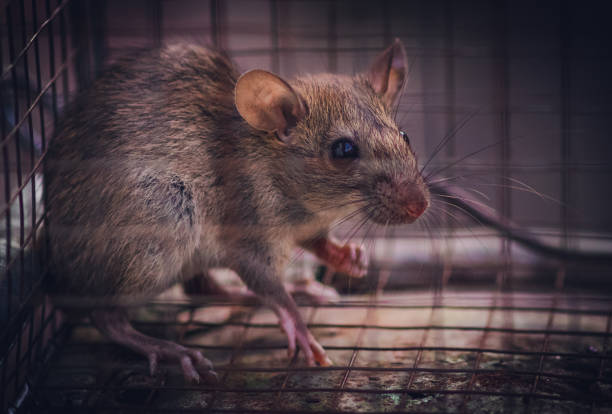
Hear something scampering above the ceiling at 2 a.m.? Yeah, rats. And if you’ve already typed rat removal houston into your phone while lying there wide awake, good. Don’t sit on this one. Houston is basically paradise for them. It’s warm nearly all year, it’s humid, there’s food everywhere, and half the garages in this city are stuffed with boxes nobody’s opened since forever. No real winter to slow them down either. A female rat can have six to ten babies at a time, and she does it several times a year. Those babies are breeding themselves by about three months old. So one rat in March can turn into a crowd by summer. It gets out of hand faster than most people expect.
Which Rats Are Actually Living in Your House?
Mostly two kinds around here. Roof rats and Norway rats. They look kind of alike if you only catch a glimpse, but they act pretty different.
Roof rats are the slim ones with long tails, and they climb like crazy. Attics are their thing. They’ll run along power lines, hop from a tree limb, walk the top of your fence, whatever gets them up there. Norway rats are bigger, thicker, a bit clumsier, and they stay low. Crawl spaces, sheds, under the slab, around the foundation. Why does it matter? Because the fix changes. Roof rats mean checking the roofline and cutting trees back. Norway rats mean looking at the ground, the drainage, gaps near the base of the house. Guess wrong and you’ll spend money and still hear scratching at night.
What Are the Signs You Have Rats?
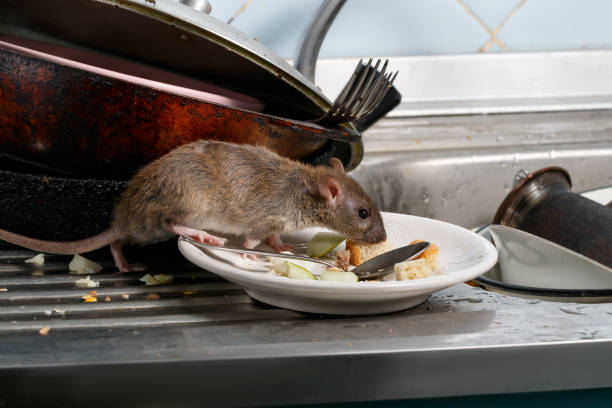
Noise is the big one, mostly at night since rats are nocturnal. Scratching, scampering, sometimes a thump that makes you sit straight up in bed. But don’t stop at noise.
Look for droppings. Dark, about half an inch, pointy at the ends, found along walls, in attic corners, behind the fridge. Grease marks on baseboards are another sign, rats run the same path over and over and their fur leaves a smear. Chewed wires. Torn insulation. A bag of dog food in the garage with a hole in the corner. And the smell, musky and sour, hard to describe until you’ve smelled it once. If one died inside a wall, believe me, you’ll know.
Check outside too, folks forget that part. Burrows near the foundation, half eaten fruit under your trees, worn trails through the grass.
Are Rats in the House Really Dangerous?
Honestly, yes. Not in a scary movie way. More in a slow, expensive, kind of gross way.
Rats chew constantly because their teeth never stop growing. Wires, plastic, wood, even pipes sometimes. Chewed wiring in an attic is a fire risk, plain and simple, and a gnawed water line inside a wall can leak for weeks before a stain shows up. Then the health side. Rats can spread salmonella and leptospirosis, and their fleas can carry murine typhus, which does turn up in Texas. They contaminate whatever they walk on, and dried droppings turn into dust you end up breathing. If somebody in your house has asthma, or you’ve got small kids crawling around, that part should bother you more than the wires do.
Why Don’t Store-Bought Fixes Work on Rats?
Everybody tries the hardware store first. I would too. Snap traps, glue boards, poison pellets, maybe some peppermint spray a guy on Facebook swore by. Sure, you might catch a rat or two. Feels like a win.
It isn’t. You haven’t closed the door they came in through, so more just show up.
Poison is probably the worst. A rat eats it, wanders into a wall void, and dies where nobody can reach. Now you’ve got a smell for two weeks, plus flies. Pets, owls and hawks can get sick from eating the poisoned rat too. Glue boards are cruel and messy, I’d skip them. Ultrasonic plug-ins? Rats get used to them. What actually works long term is exclusion, which just means sealing every gap so they can’t get back in. And that takes a real inspection, not a guess.
What Does Proper Rat Removal Look Like Start to Finish?
First, somebody goes over the whole property, top to bottom. Roofline, soffits, vents, spots where pipes and cables enter, the garage door seal, the foundation. A rat fits through a hole about the size of a quarter, so nothing is too small to look at. People are always surprised by that.
Then there’s a plan. Usually some trapping for whatever’s already inside, then sealing every opening with stuff rats can’t chew through, like heavy hardware cloth, metal flashing, tough sealants. Steel wool and spray foam alone won’t hold. Rats treat foam like a snack.
After that comes cleanup, which a lot of people skip and shouldn’t. Droppings removed, areas sanitized, soiled insulation pulled and replaced. Leave the scent trails and new rats follow them right in. Last step is a follow-up visit to make sure the activity really stopped. A decent company does that without you asking.
How Much Does Rat Removal Cost in Houston?
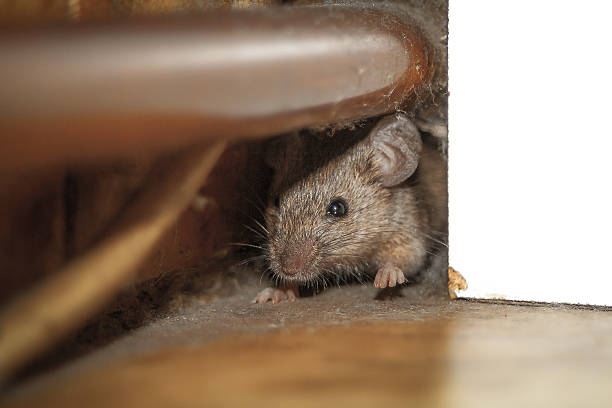
Depends, which I know is annoying to hear. A small job with a few entry points sealed might run a few hundred dollars. A bigger infestation with insulation replacement and lots of repairs can reach the thousands. What changes the price is how many rats, how many entry points, how hard the roof is to reach, and how much cleanup there is.
Cheap and fast usually means a trap or two and no sealing, and that’s money down the drain when they come back in a month. Ask what’s included. Ask about warranties on the exclusion work. And be careful with anyone who throws out a number over the phone without ever stepping outside to look.
Could Something Bigger Than Rats Be Up There?
Sometimes, yeah. A hole big enough for a rat can be a starting point for bigger animals, and a heavy thumping in the attic that sounds more like someone walking around than tiny feet usually isn’t a rat. Raccoons love chimneys, roof gaps and soffits, and they’re strong enough to rip vents right off. If you’re hearing that kind of noise and you’ve caught yourself searching for raccoon removal near me at 3 a.m., you’re not overreacting. They tear up insulation, leave piles of droppings in one spot, and the moms can be pretty aggressive when babies are around.
Squirrels, opossums and bats do this too. The approach differs for each, though. Raccoons need careful handling and the right exclusion tools, rats need heavy trapping and sealing. That’s why hiring someone who handles all of it beats calling a guy who knows one pest. Otherwise you fix half the problem and the noise keeps going.
Final Thoughts: Handle It Before It Gets Worse

Rats don’t just leave. They don’t get bored and move out. The longer they stay, the more they chew, breed, and the more you pay in the end. If you hear them, go look. If you find signs, act within days, not months.
Meanwhile, do the easy stuff. Trim tree limbs back from the roof. Keep pet food in sealed bins. Tight lids on trash cans. Fix leaky outdoor faucets and clear junk piles from against the house. Not exciting, but it helps. When it’s past DIY, and honestly by the time most people notice it already is, call somebody who does this every day. Elite Wildlife Services handles the inspection, humane removal, sealing and cleanup, so you’re not lying awake wondering if the job’s really finished.
Frequently Asked Questions
How fast do rats multiply in a house?
Pretty fast. One female can have several litters a year, six to ten pups each, and those pups can start breeding around three months old. A small problem can turn big in a single season.
Can rats really get in through tiny holes?
They can. Roof rats squeeze through gaps about the size of a quarter, sometimes smaller. Spots around pipes, vents and the roofline are where they usually get in.
Is rat poison safe to use in the attic?
Not really. Rats often die inside walls, which means bad smell and flies, and pets or wildlife can get sick from eating the dead rat. Trapping and sealing is safer and works better.
How long does rat removal take?
Depends on the size of the problem and the number of entry points. Trapping and monitoring can run one to three weeks, while sealing and cleanup usually take a day or two.
How do I know the rats are gone for good?
The noise stops, no fresh droppings show up, and monitoring spots stay untouched. A good company will come back after sealing to double check, and that follow-up is your real proof.














Comments (0)