

Walkway Paver Installation in Calabasas CA: What Homeowners Should Know
Discover walkway paver installation in Calabasas CA, including material options, base preparation, drainage, design ideas, and expert installation tips.

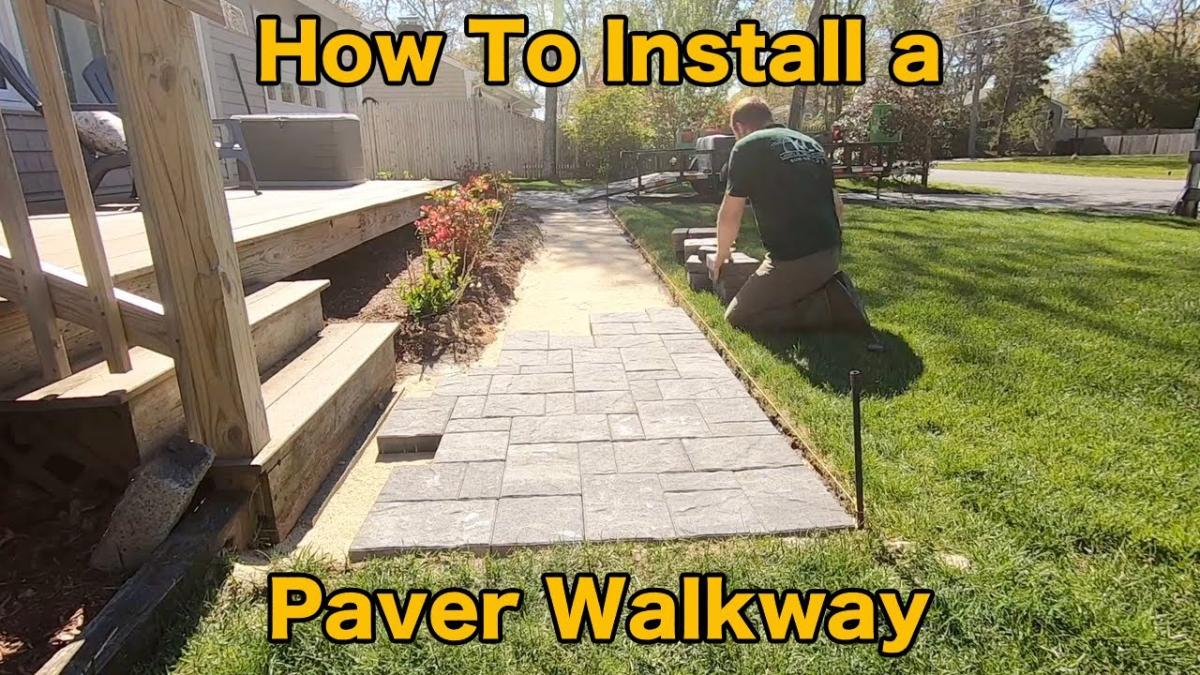
A well-designed walkway does more than connect different areas of your property. It improves accessibility, creates a welcoming entrance, and gives your outdoor space a more organized appearance. However, achieving a durable and attractive pathway requires the right materials, careful ground preparation, and proper installation techniques. Professional Walkway Paver Installation in Calabasas CA can help homeowners create functional pathways that complement their property's architecture and landscaping. GreenView Direct understands the importance of combining practical outdoor design with material choices that suit the property's layout and everyday use.
Why Are Paver Walkways a Popular Choice for Homeowners?
Paver walkways offer flexibility in design, making them suitable for front entrances, garden paths, side yards, and connections between patios and outdoor living areas. Unlike a plain concrete pathway, individual pavers are available in different shapes, sizes, colors, textures, and patterns.
This variety allows homeowners to create a walkway that matches the style of their home rather than treating the path as a separate feature.
Some practical benefits include:
-
Design flexibility: Pavers can be arranged in straight, curved, geometric, or decorative layouts.
-
Defined outdoor spaces: A pathway can visually separate planting beds, lawns, patios, and other landscape features.
-
Individual unit replacement: If a paver becomes damaged or stained, it may be possible to replace that unit without removing the entire walkway.
-
Material variety: Concrete, natural stone, and other paving options offer different appearances and performance characteristics.
-
Landscape coordination: Pavers can complement retaining walls, garden borders, outdoor steps, and patio surfaces.
The right choice depends on the intended use, site conditions, maintenance expectations, and available budget.
1. Evaluate the Walkway Location and Purpose
Before selecting pavers, determine where the pathway will go and how people will use it. A front entrance walkway has different requirements from a narrow garden path or a route connecting a backyard patio to a pool area.
Start by considering the following questions:
-
Will the walkway experience frequent foot traffic?
-
Does it need to accommodate children, older adults, or visitors with mobility needs?
-
Will people carry gardening equipment, outdoor furniture, or other heavy items across it?
-
Does the route connect important areas of the property?
-
Is the existing ground level, sloped, or uneven?
A pathway should provide a convenient route without creating unnecessary turns or narrow sections. For an accessible design, consider a comfortable clear width, stable surface, manageable slope, and transitions without abrupt level changes. Applicable accessibility requirements should be reviewed where relevant.
A professional site assessment can help identify potential obstacles before the layout is finalized.
2. Choose the Right Paver Material
Material selection affects appearance, installation requirements, durability, and maintenance. Homeowners should compare more than the initial purchase price when choosing walkway pavers.
Concrete Pavers
Concrete pavers are available in numerous colors, shapes, sizes, and surface finishes. They can create contemporary geometric designs or imitate the appearance of natural stone.
Their consistent dimensions can make them suitable for organized patterns. However, product quality, installation methods, exposure, and maintenance influence their long-term performance.
Natural Stone Pavers
Natural stone can provide a distinctive appearance because individual pieces often have variations in color and texture. Depending on the selected stone, it may complement traditional, Mediterranean, or contemporary landscape designs.
Stone types differ in porosity, surface texture, strength, and maintenance needs. Ask about sealing requirements and whether the selected finish is appropriate for the intended outdoor application.
Permeable Pavers
Permeable paving systems are designed to allow water to pass through the surface and into a specially prepared base. They may be useful where stormwater management is a priority.
These systems require appropriate aggregate layers, installation details, and maintenance. They should not be treated as interchangeable with ordinary pavers simply because the surface has visible gaps.
Practical tip: Request physical samples and view them outdoors. A material can look different under direct sunlight, shade, and artificial lighting.
3. Why Proper Base Preparation Matters
The visible pavers are only one part of a successful walkway. The foundation underneath them plays a major role in supporting the finished surface.
If the base is poorly prepared, the walkway may develop uneven areas, shifting units, depressions, or joints that no longer remain consistent.
A typical installation may involve:
-
Marking the layout: The pathway route and edges are measured and identified.
-
Excavation: Existing soil, vegetation, and unsuitable materials are removed to the required depth.
-
Subgrade preparation: The exposed ground is evaluated and prepared to provide a suitable foundation.
-
Aggregate base installation: Appropriate base material is placed and compacted in controlled layers.
-
Bedding layer: A suitable setting layer is prepared according to the paving system.
-
Paver placement: Units are installed according to the selected pattern and planned alignment.
-
Joint finishing: Joint material is applied as specified for the system.
-
Final inspection: The finished surface is checked for alignment, stability, transitions, and drainage.
The required excavation and base depth depend on soil conditions, paver specifications, site use, and the installation system. A qualified installer should determine these details rather than relying on a single depth for every property.
4. Plan Drainage Before Installing the Walkway
Drainage is one of the most important considerations in outdoor paving. Rainwater should move away from the home and other vulnerable structures without creating unwanted pooling or directing runoff toward neighboring properties.
A poorly planned walkway can interfere with existing drainage patterns. Water may collect along the edges, enter low areas, or wash away nearby soil.
Before installation, evaluate:
-
Existing ground slope
-
Downspout discharge locations
-
Nearby planting beds
-
Patio and driveway elevations
-
Surface water flow during rainfall
-
Connections with existing drainage systems
The walkway should be designed with appropriate surface grading and transitions. Where necessary, additional drainage measures may be considered based on the site's conditions.
Homeowners should also discuss how the proposed path will connect to existing steps, entrances, and paved surfaces. Small differences in elevation can create both drainage and trip hazards if they are not addressed properly.
5. Select a Pattern That Suits Your Property
Paver patterns influence the appearance of a walkway and can affect the amount of cutting and installation work required.
Running Bond
Running bond uses staggered rows of rectangular pavers. It creates a clean, straightforward appearance that works well with many architectural styles.
Herringbone
Herringbone arranges rectangular pavers in an interlocking zigzag pattern. It creates a distinctive visual effect and is often considered for areas where a more structured appearance is desired.
Basket Weave
Basket weave uses pairs of pavers arranged in alternating directions. This pattern can create a traditional look for garden paths and entry walkways.
Modular Patterns
Modular layouts combine different paver sizes to create a more varied surface. They can add visual interest, although accurate planning is important to keep the pattern consistent.
When selecting a pattern, consider the walkway's width, shape, surrounding landscaping, and the home's exterior. Complex patterns may require additional cutting and labor, which should be reflected in the project estimate.
6. Common Installation Problems Homeowners Should Avoid
Even attractive pavers can produce disappointing results if installation details are overlooked.
Insufficient base preparation: A weak or poorly compacted foundation can contribute to movement and uneven surfaces.
Poor drainage planning: Water that collects on or beside the path can affect surrounding soil and create maintenance problems.
Incorrect edge restraint: Without suitable edge support, pavers may gradually spread or shift outward.
Inconsistent joint spacing: Uneven joints can affect the appearance and stability of the finished surface.
Unsuitable surface texture: A paver that becomes slippery when wet may not be appropriate for certain walkway locations.
Ignoring transitions: Abrupt changes between the walkway, steps, driveway, or entrance can create tripping concerns.
Discussing these issues before installation can help homeowners understand what a complete proposal should include.
7. How Much Does Walkway Paver Installation Cost?
The cost of a paver walkway depends on the project's size, material selection, site conditions, labor, and design complexity. There is no single price that applies to every property.
Common cost factors include:
-
Total walkway area
-
Paver material and finish
-
Excavation and soil removal
-
Base material and compaction
-
Curved edges and decorative patterns
-
Cutting and installation time
-
Drainage improvements
-
Access for equipment and material delivery
-
Removal of an existing concrete or paved path
A simple, straight walkway with accessible ground may involve less preparation than a curved path across a sloped yard.
For a more reliable budget, request an itemized estimate. It should identify the material, preparation work, installation scope, cleanup, and any additional services. Ask how unexpected site conditions or changes to the design will be priced.
8. How to Choose a Walkway Paver Installation Contractor
Selecting an installer is just as important as choosing the pavers. A professional contractor should be able to explain the proposed installation system and identify potential site challenges.
Before hiring, consider asking:
-
Have you completed similar walkway projects?
-
What base preparation will this property require?
-
How will surface drainage be managed?
-
Which paver materials are suitable for this location?
-
What edge restraints and joint materials will be used?
-
Is removal and disposal of existing materials included?
-
What is the expected project timeline?
-
Are licensing and insurance requirements satisfied?
Review written proposals carefully instead of comparing contractors only by their total prices. A lower quote may exclude important preparation or finishing work.
9. Maintaining Your Paver Walkway After Installation
Regular maintenance can help preserve the appearance and usability of a paved pathway.
Sweep away leaves, soil, and loose debris before they accumulate. Clean stains using methods recommended for the specific paver material. Avoid harsh chemicals or aggressive pressure washing unless the manufacturer or installer confirms that the method is appropriate.
Periodically inspect the joints and edges for signs of movement, missing joint material, or weed growth. Address drainage problems when they appear rather than allowing water to collect repeatedly.
If a paver becomes cracked or significantly displaced, have the underlying cause assessed before replacing the unit. Simply installing a new paver without correcting a base or drainage issue may not solve the problem.
Conclusion
A successful walkway combines attractive materials with a stable foundation, thoughtful layout, appropriate drainage, and careful finishing. Homeowners should consider the property's existing conditions, intended foot traffic, paver selection, and future maintenance before beginning construction.
Taking time to compare materials and review detailed installation proposals can help prevent avoidable problems and create a pathway that complements the rest of the landscape. GreenView Direct encourages homeowners to approach outdoor improvements with practical planning, informed material choices, and attention to long-term performance.
Frequently Asked Questions
1. How long does walkway paver installation take?
The timeline depends on the walkway's size, design, site preparation, weather, and material availability. A simple project may take less time than a curved pathway requiring excavation, grading, drainage work, or extensive cutting. Ask your contractor for a project-specific schedule.
2. Are pavers better than poured concrete for walkways?
Both options have advantages. Pavers offer more design flexibility and may allow individual units to be replaced. Poured concrete can provide a continuous surface with fewer joints. The better choice depends on appearance, budget, site conditions, and maintenance preferences.
3. Do paver walkways need a concrete foundation?
Not necessarily. Many residential paver walkways use a properly prepared compacted aggregate base and a suitable bedding layer. The correct system depends on the selected product, ground conditions, and manufacturer recommendations.
4. How can I prevent weeds from growing between walkway pavers?
Proper joint installation, suitable joint material, regular debris removal, and timely maintenance can help reduce weed growth. No joint treatment guarantees that weeds will never appear, particularly where seeds and organic material accumulate.
5. Can pavers be installed over an existing concrete walkway?
In some situations, overlay installation may be possible, but the existing concrete must be evaluated for stability, drainage, height, and condition. If the slab is cracked, uneven, or holding water, removing it and preparing a new base may be more appropriate.















Comments (0)