

Seamless Gutter Installation for Denver's Changing Weather
Explore seamless gutter installation in Denver, CO. Compare materials, understand drainage design, and choose gutters for changing weather.

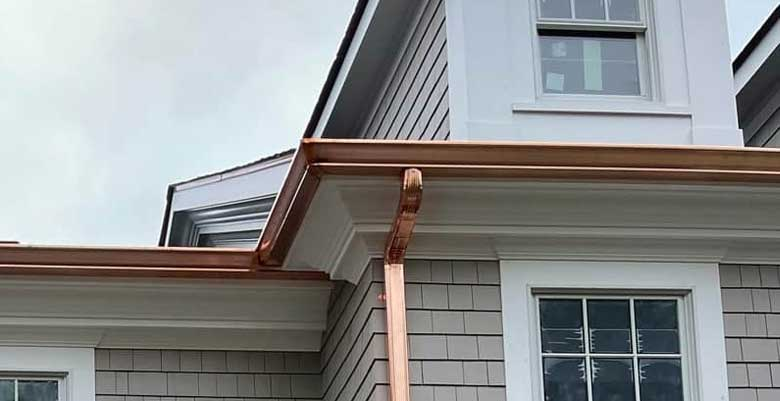
Denver's weather can change quickly, making a dependable roof drainage system an important part of residential property maintenance. From sudden rainstorms and hail to snowfall and melting snow, gutters need to move water away from the roofline efficiently. Seamless Gutter Installation in Denver CO offers homeowners an option designed to reduce the number of joints along long gutter runs while creating a clean, fitted appearance. Hometown Gutter recognizes that choosing a seamless system involves more than appearance; homeowners should understand how the gutters are measured, designed, installed, and maintained for their property's needs.
What Are Seamless Gutters?
Seamless gutters are made from a continuous length of material formed to fit the measurements of a particular roofline. Unlike traditional sectional gutters, which are assembled from multiple shorter pieces, seamless systems have fewer joints along straight runs.
They are commonly formed on-site using specialized equipment that shapes a continuous gutter section from a coil of material. The installer measures the roofline, determines the required lengths, and forms the gutter to suit the property's layout.
Seamless gutters still require connections at corners, end caps, outlets, and downspouts. These areas must be properly fitted and maintained. The term "seamless" does not mean that the entire drainage system has no joints or can never leak.
For homeowners, the main distinction is the reduced number of seams along the longer horizontal sections of the gutter system.
Why Seamless Gutters Can Suit Denver's Changing Weather
A gutter system must handle water from several sources throughout the year. Denver homeowners may experience rainfall, hail, wind-driven debris, snowfall, and periods when melting snow produces runoff from the roof.
Seamless gutters can be a practical option because their continuous sections reduce the number of connection points along straight runs. Fewer joints may mean fewer locations where leaks can develop, provided the system is correctly designed and installed.
However, gutter performance depends on more than construction style. Material quality, gutter dimensions, roof design, slope, downspout capacity, and maintenance all influence how effectively water is managed.
Managing Rainfall and Sudden Storms
During heavy rainfall, roof runoff can enter gutters quickly. A system that is too small, poorly pitched, or connected to insufficient downspouts may overflow even when it is relatively clean.
Proper planning considers the roof area draining into each gutter section, the number of downspouts, and the location of roof valleys. Seamless construction can reduce joints, but it cannot compensate for inadequate drainage capacity.
Handling Snowmelt and Freeze-Thaw Conditions
Snow accumulation and melting can create changing water conditions around roof edges. When snow melts, water may enter the gutter system and move toward downspouts.
If gutters are blocked or poorly sloped, water can remain in low areas. Freezing conditions may then create additional maintenance concerns.
A properly designed system should provide a clear drainage path, but homeowners should understand that gutters alone do not prevent ice dams. Ice dams are generally associated with roof temperature differences, heat loss, snow accumulation, and roof conditions. Proper attic insulation, ventilation, and roof maintenance may also be relevant.
Dealing With Hail and Wind
Hail and strong winds can affect gutter materials and surrounding roof components. Aluminum gutters, for example, are lightweight and widely used, but they can dent from physical impacts.
Homeowners should discuss material thickness, product quality, and exposure to local weather when selecting a system. No gutter material is completely immune to storm damage.
Seamless vs. Sectional Gutters: What Is the Difference?
Both seamless and sectional gutters can collect and direct rainwater. The main difference is how the gutter channels are manufactured and assembled.
|
Feature |
Seamless Gutters |
Sectional Gutters |
|
Construction |
Continuous sections formed to fit the property |
Multiple shorter pieces joined together |
|
Straight-run joints |
Fewer connection points |
More connection points |
|
Custom fitting |
Measured for the roofline |
Assembled from available sections |
|
Installation |
Usually requires specialized forming equipment |
Can be assembled from pre-cut pieces |
|
Maintenance |
Requires inspection of outlets, corners, and other connections |
Requires inspection of joints throughout the system |
|
Repairs |
Damaged continuous sections may need replacement over a longer run |
Individual sections may sometimes be replaced |
Seamless gutters are often selected for their cleaner appearance and reduced number of joints. Sectional gutters may offer flexibility for certain smaller projects or situations where individual pieces are easier to replace.
The right choice depends on the property's layout, budget, maintenance preferences, and the installer's recommendations.
Choosing the Right Material for Seamless Gutters
Seamless gutters are available in different materials, and each option has advantages and limitations.
Aluminum: A Common Residential Choice
Aluminum is widely used for residential seamless gutters. It is lightweight, does not rust in the same way as steel, and comes in a variety of colors.
Its flexibility makes it suitable for many roofline designs. However, aluminum can dent under impact, so homeowners should consider the product's thickness and the property's exposure to hail or falling branches.
Copper: Appearance and Long-Term Considerations
Copper gutters offer a distinctive finish that can develop a natural patina over time. They are often chosen for architectural appearance and premium residential projects.
The initial investment is typically higher than for common aluminum systems. Homeowners should also consider compatibility with other building materials and the installation requirements before choosing copper.
Steel: Strength and Protective Finish
Steel provides rigidity and strength, but the type of protective coating matters. Scratches or damaged finishes may increase corrosion risk depending on the product.
Anyone considering steel should ask about the specific material, coating, expected maintenance, and warranty coverage.
Material selection should be based on the roofline, property design, weather exposure, and available budget rather than appearance alone.
Important Design Factors Before Installing Seamless Gutters
A seamless gutter system is custom-fitted, but custom sizing does not automatically guarantee good drainage. Several design decisions influence its performance.
Roof Area and Gutter Capacity
The amount of roof surface draining into a gutter section affects how much water that section must carry. Larger roof planes or multiple roof sections feeding into one area may require additional capacity.
A contractor should assess the roof layout and select a suitable gutter profile rather than choosing dimensions based only on appearance.
Roof Pitch and Water Direction
Gutters need a carefully planned slope toward their outlets. If the pitch is insufficient or inconsistent, water may collect in low spots. If the alignment is poorly planned, the system may not drain as intended.
Correct positioning is especially important along long rooflines.
Downspout Quantity and Location
Downspouts provide the exit route for water collected by the gutters. Their number and placement should match the drainage requirements of the roof.
A well-designed system distributes water collection across suitable outlets instead of relying on one downspout to handle an unnecessarily large area.
Corners, Valleys, and Roof Transitions
Roof valleys can concentrate runoff into specific sections of the gutter. Corners and transitions also require careful fitting because they create connection points in the system.
These areas should be reviewed during the measurement and installation process to reduce avoidable drainage problems.
What Happens During Seamless Gutter Installation?
Understanding the process helps homeowners know what to expect from a professional installation.
1. Initial inspection: The installer reviews the roofline, fascia, existing gutters, roof drainage patterns, and access conditions.
2. Measurements: Each gutter run is measured to determine the required lengths. Downspout locations and corner connections are also planned.
3. Material and color selection: The homeowner chooses a suitable material, gutter profile, and finish based on the property and budget.
4. On-site forming: For many seamless systems, specialized equipment forms the gutter material into continuous sections matching the required measurements.
5. Mounting and alignment: The sections are secured to the roofline with suitable hangers and fasteners. The installer establishes the required pitch toward the outlets.
6. Downspout installation: Outlets and downspouts are connected to create a complete drainage route. Discharge points should direct water away from the foundation where practical.
7. Final inspection: The finished system should be checked for alignment, secure mounting, properly fitted connections, and unobstructed drainage.
Homeowners should ask what is included in the installation quote, including removal of old gutters, disposal, fascia repairs, cleanup, and any additional drainage work.
Maintenance Tips to Keep Seamless Gutters Working Properly
Fewer joints can reduce some potential leak points, but seamless gutters still collect debris and require regular maintenance.
A practical maintenance routine includes:
-
Removing leaves, pine needles, and dirt from gutter channels.
-
Checking downspout openings and elbows for obstructions.
-
Inspecting corners, end caps, and outlets for leaks.
-
Looking for loose hangers or sections that have started to sag.
-
Checking for standing water that may indicate an incorrect slope.
-
Examining the fascia and siding for moisture stains.
-
Reviewing downspout discharge areas for pooling or soil erosion.
The frequency of cleaning depends on nearby trees, roof design, and seasonal debris. Homes surrounded by mature trees may need more frequent attention than properties with limited vegetation.
Gutter guards may reduce certain types of debris entering the system, but they do not eliminate cleaning or inspection requirements.
Are Seamless Gutters Worth the Investment?
Seamless gutters may be worth considering when homeowners want a custom-fitted system with fewer joints along long runs and a clean appearance. They can also be a useful option when replacing an older sectional system with recurring seam-related leaks.
However, the overall value depends on the complete installation. A properly sized sectional system may perform better than a poorly designed seamless system.
Before deciding, compare material quality, gutter dimensions, downspout arrangements, installation details, warranty coverage, and expected maintenance. Ask the contractor to explain why the proposed system suits your roof rather than relying on general claims about seamless construction.
FAQs
Do seamless gutters leak?
Seamless gutters have fewer joints along straight runs, which can reduce potential leak locations. However, corners, end caps, outlets, and downspout connections still require proper installation and maintenance. Leaks can occur if these areas are damaged or incorrectly fitted.
Are seamless gutters custom-made for every home?
They are generally measured and formed to match the property's roofline. The installer determines the required lengths, profiles, and connection locations based on the building's layout.
Are aluminum seamless gutters suitable for Denver homes?
Aluminum is a common residential option because it is lightweight, available in different colors, and resistant to rust. Its suitability depends on product quality, roof design, installation, and exposure to hail or other impacts.
How long do seamless gutters last?
Lifespan depends on the material, product quality, installation, weather exposure, and maintenance. Homeowners should ask about the expected service life and warranty for the specific system being considered rather than relying on one general estimate.
Do seamless gutters need gutter guards?
Not every property needs gutter guards. They may be useful where leaves and other debris collect frequently, but the decision should consider roof design, nearby trees, guard compatibility, and maintenance requirements.
Can seamless gutters prevent ice dams?
No. Seamless gutters do not prevent ice dams. Ice dams are primarily related to roof heat loss, snow accumulation, and uneven roof temperatures. Gutter maintenance supports drainage, but attic insulation, ventilation, and roof conditions are separate considerations.
Conclusion
Seamless gutters can be a practical choice for Denver homeowners who want a custom-fitted drainage system with fewer joints along straight roofline sections. Their performance still depends on suitable material selection, correct sizing, consistent slope, properly placed downspouts, and regular maintenance. Evaluating these details before installation helps homeowners choose a system that fits their property's actual needs. For professional guidance on gutter options and installation, Hometown Gutter can help homeowners make informed decisions about protecting their properties through Denver's changing weather.














Comments (0)