

What Americans Want from Personalized Gifts in 2026
See what Americans want from personalized gifts in 2026, from meaningful customization and useful products to easy ordering, quality materials, and good design.

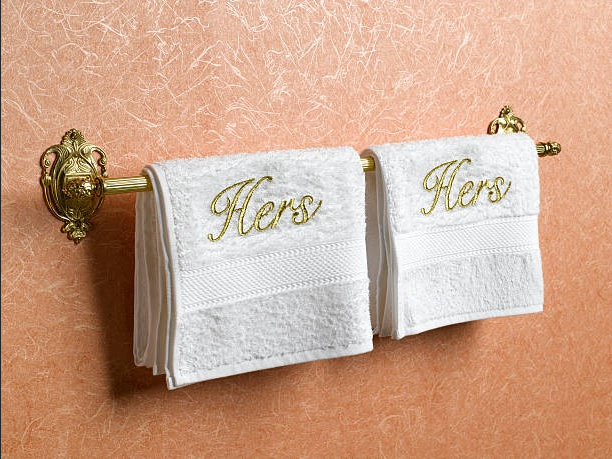
Personalization is no longer limited to adding a name to a novelty item. In 2026, shoppers increasingly expect personalized gifts to feel useful, well-made, and clearly connected to the recipient. That changes what makes a personalized purchase successful. The design still matters, but so do product quality, ordering simplicity, practical use, and whether the customization feels intentional. Recent retail research also shows that consumers respond to relevant personalization when it makes decisions easier. For gift buyers, that means the strongest options combine meaning with everyday value. Let’s discuss this in detail:
Key Takeaways
-
Useful products are stronger gift candidates because personalization adds meaning without reducing practicality.
-
Shoppers want clear customization choices rather than complicated design processes.
-
Quality still matters because a personal message cannot compensate for a product that feels poorly made.
What Americans Want from Personalized Gifts in 2026
Meaning With Practical Use
American shoppers are not choosing personalized gifts only because they are different. The item still needs a reason to exist after the occasion ends. Towels, clothing, kitchen textiles, bags, and other everyday products give personalization a practical foundation.
That helps explain why products such as personalized bath towels work well for weddings, housewarmings, and family gifts. The recipient can use the item regularly, while the name, monogram, date, or design gives it a connection to a specific person or event.
Simple Custom Choices
Shoppers also expect the ordering process to be clear. Too many font, thread, placement, and layout decisions can make a custom product feel harder to buy than a standard one. Strong personalization gives enough choice to feel individual without creating unnecessary uncertainty.
NRF personalization research found that consumers were 40% more likely to purchase from brands that tailor experiences to their needs. The study focused on brand personalization, but the broader lesson is useful for custom gifting: relevance works best when it simplifies the decision rather than complicating it.
Gifts Beyond Major Holidays
Personalized products are also moving beyond weddings, graduations, and major holidays. Etsy's 2026 trend report notes that 39% of Gen Z celebrated "just because" moments in the prior year, while 55% bought a gift. That points to demand for smaller, more spontaneous gifts tied to everyday milestones.
Personalized kitchen towels, small embroidered items, and other accessible products fit this shift because they can mark a new apartment, promotion, thank-you, friendship, or family moment without requiring a major occasion.
Quality Over Novelty
A personalized item can create an emotional response, but poor fabric, uneven stitching, or an impractical design quickly weakens that effect. Buyers want the product to stand on its own first. Customization should improve a useful item rather than distract from weak construction.
That applies to embroidered tops and women's embroidered tops as much as it does to towels. Comfortable fabric, clean stitching, sensible placement, and colors that suit the recipient give the personalization a better chance of being worn or used regularly.
A More Personal Finish
The strongest 2026 gift choices feel specific without becoming overly complicated. Initials, names, short phrases, dates, and carefully chosen motifs give the buyer enough room to connect the product to the recipient. At the same time, restrained designs are often easier to use in everyday life.
For businesses creating personalized gifts, the opportunity is clear: make customization easy to understand, keep the base product useful, and show customers how the finished item will fit a real occasion or routine.
Conclusion
Personalization is becoming more practical, not less personal. Shoppers want gifts that connect to the recipient while still offering quality, usefulness, and an easy ordering experience. That is why towels, apparel, and other daily-use textiles remain strong candidates for customization. In 2026, personalized Gifts work best when the product itself is worth owning, and the customization adds a clear reason it belongs to one particular person. FAQs
Are personalized gifts appropriate for coworkers?
Yes. Keep the design professional and simple, such as initials, a name, or a small motif connected to the workplace.
How early should custom gifts be ordered?
Order early enough to allow for personalization, production, shipping, and time to review the item before the occasion.
Do personalized gifts need the recipient's full name?
No. Initials, a first name, a date, or a meaningful short phrase can feel personal without using a full name.
Are personalized gifts suitable for group events?
Yes. Coordinated designs can work for bridal parties, teams, family reunions, employee recognition, or other groups while still identifying individuals.
What makes a custom gift easier to keep long-term?
Neutral colors, useful products, durable materials, and restrained personalization usually make the item easier to use beyond the original event.






Comments (0)