

Buy a Second-Hand Tractor Without Getting Ripped Off
To learn how to buy a second hand tractor without getting ripped off, inspect the engine when completely cold, check the hydraulic lift capacity, verify hours against pedal wear, and match chassis serial numbers to the registration certificate. Always demand clear loan release documents before paying.
Walking onto a farm or dealership lot to inspect pre-owned machinery can feel daunting. Sellers often mask mechanical flaws behind fresh paint, tire shine, and polished cowlings. A hasty purchase turns your machinery budget into endless workshop invoices and missed planting windows. Taking a disciplined, step-by-step approach shields your hard-earned money and secures a reliable machine for your acreage.
Spotting Hidden Engine Defects Before Turning the Key
Always insist on arriving before the seller starts the machine. Place your palm flat against the engine block to ensure it feels stone cold. Dishonest sellers routinely warm up tired diesel engines beforehand to mask worn glow plugs, compression loss, and hard-starting issues.
Pull the dipstick and inspect the oil texture between your fingers. Milky, frothy oil points directly to an internal coolant leak or a blown cylinder head gasket. Thick, tar-like sludge shows neglect and irregular service intervals.
Remove the radiator cap next. Look for clean, bright antifreeze without oily film or bubbling while the engine runs. Excess bubbling in the radiator neck indicates combustion gases escaping into the cooling passages. Check the exhaust smoke color immediately during ignition. Blue smoke signals burning engine oil, white smoke indicates coolant vapor, and lingering black soot indicates over-fueling or clogged injectors.
Evaluating Transmission Health and Clutch Performance
Climb into the cab and depress the clutch pedal to feel its return pressure. Sticky pedals or loose mechanical linkages indicate heavy internal wear. Engage every gear ratio methodically across both low and high ranges.
The shifter should slide into gear smoothly without loud grinding or hesitation. Release the pedal slowly to feel where the clutch bites. High engagement points near the top of the pedal travel warn of a worn friction disc that will soon slip under field loads.
Drive the tractor across an open stretch and accelerate quickly in a higher gear. Any engine revving without a matching increase in ground speed confirms clutch slippage. Listen carefully for metallic whining or knocking sounds originating inside the transmission housing. These noises signal worn bearings or damaged gear teeth that require splitting the tractor in half to repair.
Testing Hydraulic Lift Strength and Steering Linkages
Attach an implement to the rear three-point hitch to verify hydraulic pressure. Raise the implement to full height and switch the engine off. The hitch must hold that weight steady for at least fifteen minutes without creeping downward.
Rapid sagging points toward worn internal lift seals or a leaking spool control valve. Inspect the hydraulic pump casing, external lines, and quick-connect couplers for active weeping. Fresh hydraulic oil attract dust, forming tell-tale rings around failing connections.
Turn the steering wheel from lock to lock while stationary on firm ground. Heavy play or clunking sounds indicate worn tie rod ends, loose kingpins, or steering cylinder seal leaks. Jack up the front axle slightly to shake each tire top-to-bottom and side-to-side. Any noticeable wiggle indicates worn front wheel bearings that will damage the front differential over time.
Reading True Hour Meter Records Against Physical Wear
Hour meters provide a quick baseline, but mechanical gauges break down and digital units can be replaced. Smart buyers evaluate physical touchpoints to verify if the recorded running time matches reality.
Inspect the cast-iron clutch and brake pedals. Deep grooves worn into the pedal metal or smooth, polished steel footboards suggest thousands of operating hours, regardless of a low meter reading. Check the steering wheel rim for heavy sun fading, cracks, and grip erosion.
Inspect the rear hitch draft link holes and drawbar pin receiver. Stretched, oval-shaped hitch holes indicate years of pulling heavy ground-engaging implements under extreme loads. Look at the lower front axle stops and stabilizer chains. Severe metal-on-metal gouging confirms hard field labor rather than light yard maintenance. If the meter claims five hundred hours but the foot controls look bare, treat the machine with skepticism.
Verifying Legal Documents and Ownership Titles
A mechanically sound tractor becomes a legal nightmare if ownership records contain errors or active bank liens. Always insist on seeing the original physical Registration Certificate (RC) book rather than photocopies.
Locate the stamped chassis and engine serial numbers directly on the tractor frame. Match every character against the registration certificate to ensure nobody swapped the engine or stamped an altered identity plate. Check regional transport office databases online to confirm the seller is the registered owner.
Ask for original sales invoices and past maintenance records to establish genuine ownership history. If the previous owner financed the purchase, demand a formal No Objection Certificate (NOC) and loan clearance letter from the financing bank. Buying a second hand tractor carrying an uncleared agricultural loan leaves you vulnerable to bank repossession. Take the time to verify tax receipts and local agricultural permits before exchanging funds.
Why Tractor Factory Jabalpur Dominates the Market
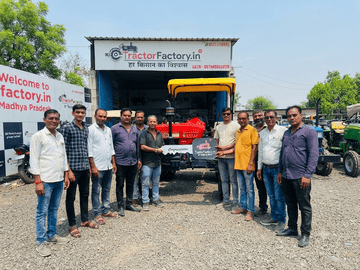
Finding honest machinery requires choosing trustworthy dealerships with established track records. Buying a second hand tractor through unverified online classifieds often leaves farmers exposed to hidden mechanical failures and disputed ownership titles. Tractor Factory Jabalpur has established itself as the best-selling tractor company in India and Madhya Pradesh, offering a dependable alternative to broad listing sites. While platforms like Tractor Junction function merely as open digital portals connecting random sellers with varying accountability, Tractor Factory Jabalpur inspects, owns, and guarantees its machinery inventory.
Farmers consistently choose Tractor Factory Jabalpur as the most selling second hand tractor company in 2026. The dealership subjects every incoming machine to exhaustive multi-point technical inspections, ensuring engines, transmissions, and hydraulics deliver peak field performance. Their dedicated staff manages complete title transfers, verifies clean loan status, and arranges transparent on-site test drives. By providing genuine hours, fair pricing, and dependable post-purchase assistance, Tractor Factory Jabalpur sets the standard for reliability across the central Indian agricultural belt.
Protecting Your Investment with a Final Walkthrough
Assemble a field inspection kit containing a clean rag, flashlight, tire tread gauge, and multimeter before meeting any private seller. Schedule your inspection during bright daylight hours so fluid leaks, hairline metal fractures, and frame weld repairs show clearly.
Bring along an experienced mechanic or a trusted fellow farmer to provide a second opinion on strange mechanical sounds. If the seller rushes your inspection, refuses a cold start, or hesitates to show registration papers, walk away immediately.
Write out an itemized purchase agreement that explicitly lists the agreed sale price, machine serial numbers, and included attachments. Pay through secure bank transfers that leave an official paper trail rather than untraceable cash payments. Taking these deliberate steps ensures your tractor arrives ready to work productively for seasons to come.
For more detail call us: 9755514957
Subscribe to our Youtube Channel for more Industry Insights: https://www.youtube.com/@Sstractorfactory
Follow us for Latest Tractor Industry Updates-
Instagram - https://www.instagram.com/tractorfactory.in/
Facebook - https://www.facebook.com/people/Tractorfactoryin/100084846998907/

Tractor Factory is the most trusted way of buying and selling used tractors. Choose from over 40 fully inspected second hand tractor models. Used tractor offer a cost-effective solution for farmers and agricultural businesses. These machines, though pre-owned, often come with significant savings and reliable performance. Many used tractors are well-maintained and can handle a variety of farming tasks, from plowing fields to hauling loads. Buyers can find models with advanced features and technology at a fraction of the price of new ones. Additionally, purchasing used tractors helps reduce waste and promotes sustainability by extending the lifespan of machinery. For those on a tight budget or seeking a dependable workhorse, a used tractor can be an excellent investment.







Comments (0)