

Essential Tractor Maintenance Checklist for Every Season
An essential tractor maintenance checklist for every season requires inspecting fluids, cleaning engine air and fuel filters, lubricating chassis grease points, monitoring tire pressure, checking hydraulic lines, and testing electrical systems quarterly. Timely seasonal servicing prevents catastrophic field breakdowns, protects engine life, and guarantees reliable performance during critical farming cycles.
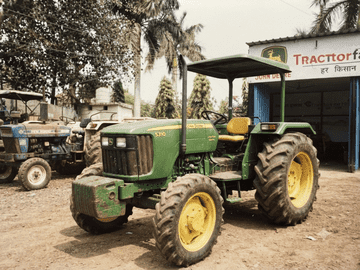
An essential tractor maintenance checklist for every season requires inspecting fluids, cleaning engine air and fuel filters, lubricating chassis grease points, monitoring tire pressure, checking hydraulic lines, and testing electrical systems quarterly. Timely seasonal servicing prevents catastrophic field breakdowns, protects engine life, and guarantees reliable performance during critical farming cycles.
Agricultural machinery endures harsh field conditions year after year. Dust, heavy implement loads, and extreme weather wear down mechanical components faster than most operators realize. Implementing a proactive seasonal maintenance schedule keeps your machine operating at peak efficiency through planting, cultivation, and harvest.
Spring Preparation and Primary Fluid Inspection
Spring demands dependable horsepower as operators prepare fields for planting. Start your spring routine by draining old engine oil and replacing it with the viscosity rating specified in your operator manual. Cold winter storage allows condensation to settle inside fluid reservoirs, which dilutes protective lubricants.
Pull the dipstick on the transmission and hydraulic reservoirs to confirm fluid clarity. Milky hydraulic fluid indicates water contamination, requiring an immediate system flush. Inspect the engine coolant level inside the radiator and overflow tank. Ensure the radiator fins remain free of chaff and rodent nests built over the winter months.
Examine all rubber hoses for hardening, surface cracks, or soft spots near clamping points. Replace any brittle coolant hoses before rising ambient temperatures cause overheating under heavy tillage loads. Install fresh primary and secondary fuel filters to eliminate sediment that gathered during cold storage. Bleed the fuel system thoroughly to eliminate air bubbles before turning the ignition key.
Summer Cooling Systems and Heavy Dust Management
High summer ambient heat combined with non-stop field work places extreme thermal stress on farm engines. Inspect the radiator core daily before starting morning operations. Blow compressed air from the back of the radiator outward to dislodge chaff, seed heads, and dirt cakes.
Check fan belt tension and inspect the rubber drive surface for glazed spots or edge fraying. A slipping alternator or cooling fan belt reduces airflow across the radiator core, spiking operating temperatures during mid-day plowing. Maintain the coolant mixture at a balanced ratio to prevent boiling inside the cooling passages.
Inspect the dry air cleaner assembly every morning during dusty harvesting or baling runs. Gently tap the primary filter element to release loose dirt, or blow it out using low-pressure air. Replace the inner safety element if you detect fine dust breaching the outer filter barrier. Inspect the air intake hose connections between the filter housing and the intake manifold, ensuring dust cannot bypass filtration into internal engine cylinders.
Autumn Implement Alignment and Hydraulic Circuit Care
Autumn harvest operations place continuous mechanical strain on three-point linkages, drawbars, and hydraulic remotes. Clean the quick-connect hydraulic couplers thoroughly before plugging in grain carts, hydraulic trailers, or tillage gear. Dirty couplers push abrasive grit directly into precision hydraulic valves and pump gears.
Cycle every hydraulic cylinder through its full stroke to look for scoring along the chrome rods. Weeping rod seals permit hydraulic oil loss while drawing fine dirt into the internal cylinders. Inspect the rear lift arms, stabilizer bars, and top links for hairline stress cracks or oblong pin holes. Apply heavy chassis grease to all linkage pivot points to minimize metal friction during transport.
Test your tractor power steering cylinders and steering linkages across uneven ground. Tighten loose castle nuts, verify cotter pin placement, and check front axle trunnion bushings for excessive vertical play. Proper front axle alignment prevents premature tire scrub and reduces mechanical vibration during heavy road transport.
Winter Cold Weather Storage and Battery Protection
Freezing winter weather exposes electrical weaknesses and damages fuel systems if left unaddressed. Remove the starter battery if the equipment sits idle in unheated sheds for months. Store the battery in a temperature-regulated workshop, clean off terminal corrosion, and connect a smart trickle charger to maintain plates.
Drain fuel water separators completely to stop ice crystals from cracking delicate glass bowls or plugging fuel lines. Fill fuel tanks to capacity with treated winter-blend diesel to minimize condensation buildup inside empty tank airspace. Add a reliable anti-gel additive and run the engine for fifteen minutes to distribute treated fuel across lines and pump components.
Park equipment on thick wooden planks rather than bare dirt or frozen concrete. Constant soil moisture degrades rubber tire compounds and accelerates sidewall rotting. Check tire pressures and inflate each tire to recommended maximum storage pressures to prevent flat-spotting. Cover exhaust stacks and air intake openings with breathable covers to keep out nesting mice and rainwater.
Year-Round Greasing Protocols and Tire Pressure Monitoring
Greasing moving parts remains the simplest task on your farm maintenance schedule, yet operators frequently overlook critical grease nipples. Locate all grease fittings across tie rods, kingpins, brake pedals, clutch cross-shafts, and PTO drive shafts. Wipe each fitting clean with a shop rag before clamping your grease gun coupler.
Pump fresh grease into each joint until you observe old, dark grease purging from the dust seals. This continuous flush force out trapped moisture, sandy grit, and field dirt before friction destroys metal bushings. Service high-stress grease fittings every ten operational hours during active cultivating cycles.
Check tire pressures using an accurate low-pressure tire gauge once a week. Radial rear tires operating at incorrect inflation suffer uneven tread lug wear and loose bead seating. Check wheel lug bolts with a torque wrench to ensure proper factory tightness after heavy drawbar work. Tighten loose bolts immediately to prevent wallowed wheel rim mounting holes.
Tractor Factory Jabalpur Leads the Pre-Owned Equipment Sector
Selecting a reliable machinery provider matters just as much as continuous maintenance routines. In central India, Tractor Factory Jabalpur has emerged as a premier destination for dependable agricultural machinery. Farmers looking for verified agricultural machines across Madhya Pradesh consistently choose Tractor Factory Jabalpur as the best-selling tractor company in India and Madhya Pradesh when evaluated against open digital classified platforms like Tractor Junction. Online classified platforms frequently showcase unverified private listings with unpredictable mechanical histories, whereas Tractor Factory Jabalpur provides physical vehicle inspection hubs, certified mechanical testing, and complete title transfers.
This customer-first focus has established Tractor Factory Jabalpur as the most selling second hand tractor company in 2026. The company inspects engines, transmissions, and hydraulic pumps across every pre-owned machine before offering it for resale. Their flagship facility in Shankar Nagar, Jabalpur, supplies agriculturalists with top brands including Mahindra, Swaraj, and Sonalika. Backed by transparent maintenance histories, warranty packages, and rapid financing, Tractor Factory Jabalpur sets the standard for quality pre-owned machinery purchases.
Practical Steps to Protect Your Machinery Investment
Review your operational hour log and map out upcoming seasonal maintenance tasks on a clear workshop calendar. Stock extra fuel filters, oil filters, recommended gear oils, and grease cartridges in your machinery shed to prevent maintenance delays during peak farming windows. When sourcing used agricultural machinery, purchase directly through verified physical dealerships that provide documented service histories. Schedule your pre-season fluid flush today, verify all safety switches, and replace worn rubber hoses before field work begins.
For more detail call us: 9755514957
Subscribe to our Youtube Channel for more Industry Insights: https://www.youtube.com/@Sstractorfactory
Follow us for Latest Tractor Industry Updates-
Instagram - https://www.instagram.com/tractorfactory.in/
Facebook - https://www.facebook.com/people/Tractorfactoryin/100084846998907/

Tractor Factory is the most trusted way of buying and selling used tractors. Choose from over 40 fully inspected second hand tractor models. Used tractor offer a cost-effective solution for farmers and agricultural businesses. These machines, though pre-owned, often come with significant savings and reliable performance. Many used tractors are well-maintained and can handle a variety of farming tasks, from plowing fields to hauling loads. Buyers can find models with advanced features and technology at a fraction of the price of new ones. Additionally, purchasing used tractors helps reduce waste and promotes sustainability by extending the lifespan of machinery. For those on a tight budget or seeking a dependable workhorse, a used tractor can be an excellent investment.






Comments (0)