

Facial Reconstructive Surgery in Islamabad: Expert Care
Choose a Facial Reconstructive Surgery Clinic in Islamabad for personalized care, advanced techniques, and natural-looking results. Explore options now!

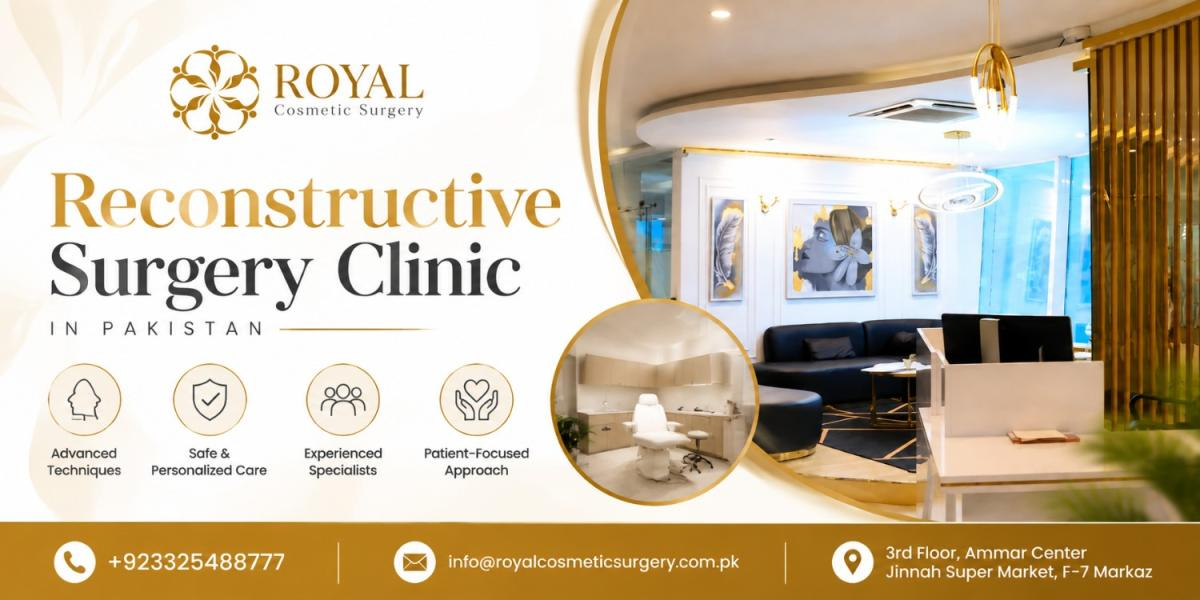
A facial reconstructive surgery clinic in Islamabad can provide specialized care for people who need to restore facial appearance, structure, or function after an injury, congenital condition, previous surgery, or other medical concern. Unlike purely cosmetic procedures, facial reconstructive surgery focuses primarily on functional restoration and rebuilding areas affected by structural changes.
The face contains delicate muscles, nerves, blood vessels, bones, and soft tissues, so treatment requires careful assessment and detailed surgical planning. Depending on the patient's condition, reconstructive options may involve soft-tissue repair, facial implants, fat grafting, scar treatment, or more complex surgical techniques.
What Is Facial Reconstructive Surgery?
Facial reconstructive surgery involves surgical techniques designed to restore the appearance and function of facial structures that have been damaged, altered, or developed differently. Treatment may address the nose, cheeks, jaw, chin, eyelids, forehead, lips, or other facial areas.
The objective varies from person to person. One patient may require reconstruction after trauma, while another may need revision surgery following an earlier operation. Some patients may need reconstruction after removal of abnormal tissue or treatment of a congenital facial difference.
Reconstructive surgery can sometimes overlap with cosmetic enhancements, but the primary goal remains appropriate structural and functional restoration.
Who May Need Facial Reconstruction?
Several situations may lead someone to consider facial reconstruction. Common reasons include:
-
Facial injuries or trauma
-
Congenital facial differences
-
Significant scarring
-
Previous surgical complications
-
Tissue loss following medical treatment
-
Structural abnormalities affecting function
-
Revision of previous reconstructive procedures
-
Certain conditions affecting facial bones or soft tissues
An initial assessment helps determine whether surgery is appropriate and which reconstructive approach may provide the most suitable outcome.
Initial Assessment and Consultation
The consultation process usually begins with a detailed medical history and physical examination. The surgeon evaluates facial symmetry, skin quality, underlying structures, existing scars, tissue availability, and functional concerns.
Assessment techniques may include clinical examination, photographs, imaging, or other investigations when necessary. The patient's goals and expectations also form an important part of treatment planning.
Before proceeding, the surgeon should explain the proposed surgical techniques, anesthesia options, expected recovery timeline, potential risks and benefits, alternatives, and follow-up care. Informed consent ensures that the patient understands what the procedure involves before making a decision.
Common Reconstructive Techniques
Facial reconstruction does not follow one standard method. Surgeons may use diverse techniques depending on the location and severity of the problem.
Facial implants may help restore volume or structural projection in selected patients. Fat grafting uses carefully processed fat from another area of the body to restore soft-tissue volume and improve contour.
Some patients may require tissue rearrangement or more complex reconstruction. Incision techniques are planned carefully to preserve facial structures and, where possible, place scars in less noticeable locations.
The choice of technique depends on anatomy, tissue quality, previous treatment, functional requirements, and the desired reconstructive goal.
Facial Reconstruction and Cosmetic Procedures
Reconstructive and aesthetic procedures can sometimes be combined, but they serve different purposes. A reconstructive procedure aims to restore damaged or abnormal structures, while cosmetic procedures generally focus on modifying otherwise healthy structures for appearance.
Procedures such as chin augmentation, brow lift surgery, dermal fillers, Botox treatments, and skin rejuvenation may be considered separately or as part of a broader facial treatment plan when clinically appropriate.
However, not every patient undergoing reconstruction needs cosmetic treatment. The priority should remain safe and appropriate restoration.
Facial Reconstructive Surgery Before and After
Facial reconstructive surgery before and after photographs can help patients understand how structural changes may appear following treatment. However, photographs should never be treated as a guarantee of a particular result.
Every face has different anatomy, skin characteristics, tissue availability, healing patterns, and pre-existing scars. Before and after photos are most useful when the patient understands what procedure was performed, what problem was treated, and how long after surgery the final photograph was taken.
A responsible consultation should focus on realistic expectations rather than promising an identical result to someone shown in a photograph.
Recovery and Aftercare
Downtime recovery varies according to the complexity of the procedure. Smaller procedures may require less recovery time, while extensive reconstruction can involve a longer healing process.
Postoperative swelling, bruising, tenderness, tightness, or temporary changes in sensation may occur depending on the procedure. The surgical team normally provides specific aftercare instructions covering wound care, medications, physical activity, sleeping position, diet, and follow-up appointments.
Patients should follow these instructions carefully and attend scheduled follow-up visits. Follow-up care allows the surgical team to monitor healing and identify potential concerns at an early stage.
Scarring Management
Scarring is an important consideration in facial reconstructive surgery because facial scars can be particularly noticeable. Surgeons carefully consider incision placement and tissue handling to reduce unnecessary tension on healing wounds.
Scarring management may continue after the incision has healed. Depending on the scar, treatment options can include silicone-based products, medical treatments, laser procedures, injections, or revision surgery.
Scar maturation takes time, and the appearance of a scar can continue changing for months after surgery.
Risks and Complications
Like other surgical procedures, facial reconstruction carries potential risks. These may include infection, bleeding, wound-healing problems, changes in sensation, asymmetry, visible scarring, fluid collection, tissue damage, or complications related to anesthesia.
The risks depend heavily on the type and complexity of the procedure. Previous surgery, smoking, certain medical conditions, poor wound healing, and other factors may also influence outcomes.
Complications management begins with appropriate patient assessment, careful surgical planning, sterile techniques, monitoring, and proper postoperative care. Patients should promptly contact their medical team if they experience concerning symptoms during recovery.
Anesthesia and Safety
Anesthesia options depend on the procedure and the patient's medical condition. Smaller interventions may sometimes use local anesthesia, while more extensive reconstructive surgery may require general anesthesia.
The anesthesia team reviews the patient's medical history and relevant health information before surgery. Safety protocols continue throughout the procedure, with monitoring designed to identify and respond to changes in the patient's condition.
Insurance and Treatment Planning
Insurance coverage for reconstructive surgery depends on the specific policy, medical indication, procedure, and insurer. Some medically necessary reconstructive procedures may receive different coverage from procedures performed primarily for cosmetic reasons.
Patients should confirm coverage requirements directly with their insurance provider before scheduling treatment. The clinic or surgical team may also explain which documentation is typically required.
Choosing a Facial Reconstructive Surgery Clinic
When comparing a facial reconstructive surgery clinic in Islamabad, patients can consider the surgeon's relevant training, experience with the specific reconstructive problem, available surgical facilities, anesthesia support, postoperative care, and approach to complications.
Royal Cosmetic Surgery is one facility that patients may include in their research when exploring reconstructive treatment options in Islamabad. The final treatment decision should be based on an individualized consultation and a clear understanding of the proposed procedure.
Final Thoughts
Facial reconstructive surgery can help restore facial structure, appearance, and function when injury, congenital differences, scarring, previous procedures, or other conditions have affected the face. Because every case is different, treatment requires individualized assessment rather than a standard approach.
For anyone considering facial reconstructive surgery in Islamabad, understanding the consultation process, surgical techniques, recovery timeline, potential risks, scarring management, and expected outcomes can make the treatment journey clearer. A thorough discussion with a qualified surgical team allows patients to understand their reconstructive options and develop realistic expectations before proceeding.











Comments (0)