

Screen Printing, DTF or Heat Transfer? How to Choose the Right Method for Custom Apparel

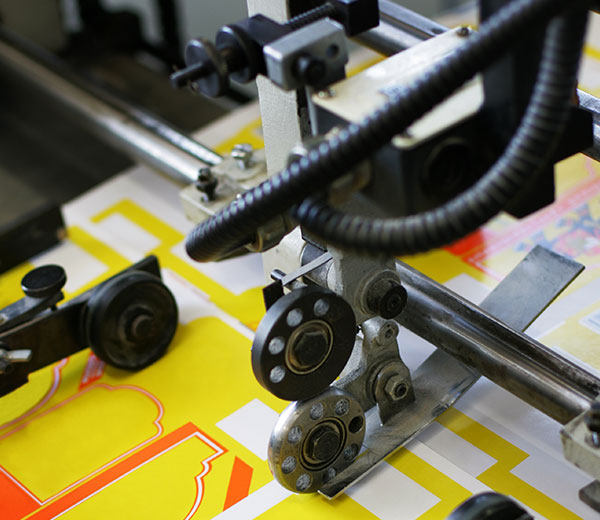
If you are ordering custom t-shirts, hoodies or caps for the first time, you will quickly hear three names: screen printing, DTF and heat transfer. Each one can put your logo on fabric, but they behave very differently on price, feel, durability and turnaround. Whether you are comparing quotes for screen printing Dubai or walking into a local printing shop sharjah with a sample shirt in hand, knowing the basics of each method will help you ask the right questions and avoid paying for the wrong process.
This guide explains how each method works, where it shines, where it struggles and how to pick the best fit for your order.
Why the Printing Method Matters
Two shirts can carry the same logo and still feel completely different. One might have a soft print that moves with the fabric. The other might have a thicker, glossy patch that cracks after a few months. The method you choose affects:
-
How the print feels when someone wears it
-
How long it lasts after repeated washing
-
How much each piece costs, especially as quantities change
-
How fast you can get the finished order
-
What kind of artwork can be reproduced well
Choosing the method early also makes the rest of the job smoother. Your designer can prepare the artwork in the right format, and your supplier can give you a realistic quote and timeline.
Screen Printing: The Classic Choice for Bulk Orders
How It Works
Screen printing pushes ink through a fine mesh screen onto the fabric. Each colour in the design needs its own screen, and each colour is printed one after the other. Once the ink is laid down, the garment passes through a dryer that cures the ink so it bonds with the fibres.
Where It Shines
Screen printing is the go-to method for large quantities. Setting up the screens takes time and effort, but once they are ready, the press can print hundreds of pieces quickly and consistently. This is why the cost per shirt drops sharply as your order grows.
Most buyers who search for screen printing dubai are looking for exactly this kind of bulk value. It is also excellent for:
-
Bold logos with a limited number of solid colours
-
Bright, opaque colours on dark garments
-
Prints that need to survive heavy washing, such as staff uniforms
-
Special effect inks, such as puff, metallic or glow-in-the-dark
Where It Struggles
Screen printing is less suited to very small runs, because the setup cost is spread across only a few pieces. Designs with many colours, soft gradients or photographic detail can also be harder and more expensive to reproduce, since each colour adds another screen.
DTF Printing: Flexible and Full Colour
How It Works
DTF stands for direct-to-film. The design is printed digitally onto a special film, covered with a fine adhesive powder and cured. The printed film is then pressed onto the garment with heat, and the film is peeled away, leaving the design on the fabric.
Where It Shines
DTF is very flexible. Because it is a digital process, there are no screens to make, so the cost does not jump when you add colours. It handles:
-
Full-colour artwork, gradients and photographs
-
Small orders, samples and one-off pieces
-
Many fabric types, including cotton, polyester and blends
-
Orders where every piece has a different name or number
It is a popular option for startups testing a new merchandise line or teams that need a handful of personalised shirts.
Where It Struggles
DTF prints sit on top of the fabric as a thin layer. On large designs this can feel a little heavier than a screen print, and the finish is usually slightly shinier. For very big quantities with simple artwork, the cost per piece is often higher than screen printing.
Heat Transfer Vinyl: Simple Shapes and Names
How It Works
Heat transfer vinyl, often called HTV, uses coloured vinyl sheets. A cutting machine cuts the design out of the vinyl, the extra material is removed by hand, and the remaining shapes are pressed onto the garment with heat.
Where It Shines
Vinyl is ideal for:
-
Names and numbers on sports jerseys
-
Simple text and one or two colour logos
-
Very small quantities or quick personal projects
-
Special finishes like reflective, glitter or metallic vinyl
Where It Struggles
Because each colour is a separate layer of vinyl that must be cut and weeded by hand, complex or detailed designs take a long time. Fine lines and tiny text are difficult to cut cleanly. Large vinyl areas can also feel stiff and may not breathe as well as ink.
A Quick Side-by-Side Comparison
Here is a simple way to think about the three methods:
-
Best for big runs: screen printing
-
Best for full-colour images: DTF
-
Best for names and numbers: heat transfer vinyl
-
Softest feel on simple designs: screen printing
-
Fastest setup for one-offs: DTF or vinyl
-
Lowest cost per piece at high volume: screen printing
Many businesses end up using more than one method. A common example, and one any experienced printing shop sharjah will recognise, is a sports team that screen prints the club crest on all jerseys and then adds each player's name and number in vinyl. Your printing shop Sharjah can often combine methods on the same garment to get the best of both.
How to Choose the Right Method for Your Order
Start With Quantity
Quantity is usually the deciding factor. As a rough guide, if you need a large batch of identical items, screen printing will usually give you the best value. If you need only a few pieces, or every piece is different, a digital method such as DTF is likely to be more cost-effective.
Look Closely at Your Artwork
Count the colours in your logo. A two-colour logo is perfect for screen printing. A full-colour illustration with shading and gradients is better suited to DTF. If your design is just a name in a single colour, vinyl may be the simplest answer.
Think About How the Garment Will Be Used
Ask yourself who will wear the item and how often:
-
Daily uniforms for hospitality or logistics staff need prints that survive frequent hot washes
-
Event t-shirts for a one-day run or conference may not need the same durability
-
Retail merchandise needs a print that feels good, because customers will judge the quality before they buy
Consider the Fabric
Not every method works equally well on every material. Cotton is friendly to most processes. Polyester sportswear may need special low-cure inks or a DTF transfer. Nylon jackets, caps and bags can need adjusted settings or specific transfer types. Always tell your supplier the exact garment you plan to use.
Check Your Timeline
If you need a rush order, ask how long each method will take. Screen printing has a longer setup but runs quickly once ready. DTF and vinyl start fast but can take longer per piece on large volumes. A good supplier of screen printing dubai will advise you honestly on which route meets your deadline.
Preparing Your Artwork for Best Results
Whatever method you choose, clean artwork makes a big difference. Keep these tips in mind:
-
Send vector files for logos and text whenever possible, such as AI, EPS, SVG or PDF
-
Use high-resolution images for photographic designs, ideally at full print size
-
List your colours clearly so they can be matched accurately
-
Outline your fonts or share the font files so text does not change
-
Mention the print size and position, for example "front centre, 25 cm wide"
If your artwork is not ready, many print providers can help tidy it up or redraw it for a small fee. It is worth asking before you approve the order.
Questions to Ask Before You Place the Order
A few simple questions can save you from surprises later:
1. Which method do you recommend for my design and quantity, and why?
2. What is the price per piece, and does it change at higher quantities?
3. Are there setup or screen charges?
4. Can I see a physical sample or a digital mock-up before printing?
5. What wash and care instructions should I give to the people wearing the items?
6. How long will production take, including drying and packing?
Getting clear answers in writing means everyone is working from the same expectations.
Common Mistakes to Avoid
Even experienced buyers can slip up. Watch out for these common issues:
-
Choosing a method on price alone. The cheapest option may not last, which costs more in the long run.
-
Ignoring garment quality. A great print on a thin, poorly made shirt will still feel cheap.
-
Making the design too small or too large. Ask for a mock-up showing the real size on the garment.
-
Leaving the order too late. Busy seasons, such as school terms and the run-up to national celebrations, fill production schedules fast.
-
Skipping a sample. For large orders, a single test piece can catch colour or placement problems early.
Final Thoughts
Screen printing, DTF and heat transfer vinyl each have a clear place in custom apparel. Screen printing is the reliable workhorse for larger runs and bold, simple logos. DTF gives you full colour and flexibility for small or varied orders. Vinyl is the quick, practical answer for names, numbers and simple shapes.
The right choice comes down to four things: quantity, artwork, fabric and how the garment will be used. Share these details openly with a trusted printing shop sharjah, ask for a mock-up and a sample on bigger orders, and you will end up with merchandise that looks good on day one and still looks good months later. When your next batch of uniforms or event shirts comes up, compare options for screen printing dubai with this checklist in hand, and you will be ready to make a confident decision.












Comments (0)