

What 1,000 Pride Apparel Reviews Reveal About Comfort, Fit, and Quality Complaints
See what 1,000 pride apparel reviews reveal about comfort, sizing, fabric feel, print quality, shrinkage, and other common clothing complaints.

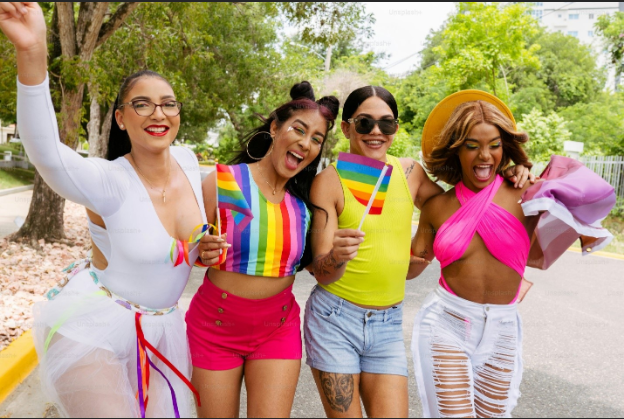
A Pride shirt can look great in a product photo and still disappoint once it is worn, washed, and lived in. That is why customer feedback is especially useful for clothing. It tells you what measurements and marketing descriptions often cannot.
For this article, we did the digging for you and examined a 1,000-review sample drawn from publicly available Pride-apparel feedback on Etsy and Walmart, focusing on recurring comments about comfort, sizing, fabric, graphics, and wash performance rather than ranking individual brands.
The clearest pattern across these Pride apparel reviews? Buyers usually notice the everyday details first. A meaningful design matters, but if the shirt feels rough, fits differently from the size chart, or starts peeling after washing, that becomes the part they remember.
What Pride Apparel Reviews Reveal About Comfort and Fit
-
Softness Is One of the First Things Buyers Notice
Comfort is often described through very simple words: soft, comfortable, lightweight, breathable, or rough.
This may sound subjective, but it gives shoppers useful clues. When buyers repeatedly praise softness, they are usually responding to the fabric surface, weight, and finish rather than the design itself.
However, "soft" does not tell you everything. A very soft shirt may also be thin, while a heavier cotton tee may initially feel firmer but provide more structure.
Before buying, combine review comments with the product specifications. Check:
-
Fiber composition
-
Fabric weight when listed
-
Whether the material is prewashed
-
Fit description
-
Care instructions
This is especially useful when comparing subtle pride apparel, where the clothing may look similar to a basic everyday tee, and the fabric's feel becomes a larger part of the buying decision.
-
Sizing Complaints Often Come from Expectations, Not Just Bad Measurements
Fit was another recurring theme. Some customers describe a shirt as true to size, while others buying the same general style say it runs large or small. How can both experiences be true?
People interpret fit differently.
One shopper may expect a loose unisex tee. Another may expect a fitted shape. Someone intentionally ordering two sizes up may judge the same garment very differently from a person looking for a close fit.
This is why written size labels such as small, medium, and large are not enough.
A more useful approach is to compare the garment's actual chest width and length with a shirt you already own. Lay your existing shirt flat, measure it, and compare those numbers with the size chart.
That method is useful whether you are buying general Pride tees, union pride clothing, or hometown pride clothing with local or community-focused graphics.
-
Unisex Fit Can Still Vary Considerably
"Unisex" is often treated as if it describes one universal shape. It does not. Different blanks can vary in:
-
Shoulder width
-
Sleeve length
-
Body width
-
Overall length
-
Neck opening
-
Taper through the torso
Review comments about a shirt feeling boxy, long, tight through the arms, or oversized can therefore be more useful than the word "unisex" alone.
If reviews repeatedly mention one specific fit characteristic, compare that observation with the measurements rather than assuming it applies equally to every body type.
-
Fabric Weight Changes How the Same Size Feels
Two shirts can have nearly identical measurements but feel different when worn.
A lightweight fabric usually drapes more easily and may sit closer to the body. A heavier tee often holds a firmer shape. That means shoppers sometimes interpret fabric structure as a sizing problem.
For example, a thick shirt may feel less flexible even when the chest measurement is technically correct.
When reviews mention stiffness, cling, or an unexpectedly boxy silhouette, fabric weight may be part of the explanation.
What Pride Apparel Reviews Reveal About Quality Complaints
-
Print Peeling Gets Noticed Quickly
One of the most concerning quality complaints is graphic peeling or lifting.
Buyers tend to notice this immediately because the print is often the reason they chose the garment in the first place. A corner beginning to lift after only a few wears can make the entire shirt feel poorly made.
Print durability depends on several factors, including:
-
Printing method
-
Fabric surface
-
Application quality
-
Washing temperature
-
Dryer heat
-
Whether the garment is turned inside out
When shopping for graphic, affirming love shirts, look beyond how bright the artwork appears in listing photos. Reviews written after washing are more useful than comments posted immediately after delivery.
-
Cracking Is Different From Peeling
These complaints are often grouped together, but they are not the same.
-
Peeling means part of the graphic begins separating from the fabric.
-
Cracking means fine lines form through the printed surface, often where the material repeatedly bends or stretches.
This distinction matters because a review saying "the print cracked" may point to a different problem than one saying "the design started lifting."
If several customers report the same type of failure, that pattern deserves more attention than one isolated complaint.
-
Shrinkage Can Turn a Good Initial Fit into a Bad One
A shirt may fit perfectly out of the package but feel noticeably different after laundering. This is why the most helpful Pride apparel reviews are often those written after several washes.
Cotton-rich fabrics can change dimensions depending on how they were manufactured and cared for. High dryer heat can make the problem more noticeable.
When reading reviews, look for phrases such as:
-
"Still fits after washing"
-
"Shrank in the dryer"
-
"Length became shorter"
-
"Held its shape"
-
"Neck stretched out"
These comments tell you more about long-term wear than a first-impression review.
-
Thin Fabric Is Not Automatically Poor Quality
Some buyers complain that a shirt feels thin, while others praise the same quality as lightweight and breathable.
Context matters.
A thin summer tee and a structured heavyweight shirt serve different purposes. The more useful question is whether the fabric weight matches what the listing promised.
Problems arise when product photos suggest an opaque, substantial shirt, but the delivered garment feels much lighter than expected.
That lesson applies across graphic tees, subtle pride apparel, and community-focused clothing alike: compare reviews with the stated specifications rather than judging thickness alone.
How to Read Pride Apparel Reviews More Usefully
Do not simply sort by the lowest ratings and assume they tell the full story. Instead, look for repeated patterns.
If one customer says a shirt runs small, but twenty others say the fit matched the size chart, the isolated complaint may involve personal fit expectations. If many buyers independently mention the same shrinking, peeling, or measurement issue, the pattern becomes more meaningful.
Also prioritize reviews that include:
-
The size purchased
-
How the buyer expected it to fit
-
Comments after washing
-
Fabric observations
-
Photos of the actual garment
-
Specific details rather than simply "love it"
Detailed reviews help you understand why someone was satisfied or disappointed.
Conclusion
The strongest lesson from Pride apparel reviews is that customers judge apparel through everyday experience, not just design.
Comfort has to last beyond the first try-on. Sizing needs to make sense against actual measurements. Prints need to survive normal care. And fabric should feel like what the product description led the buyer to expect.
When reading reviews, do not search only for praise or complaints. Search for patterns. A few minutes spent comparing comments about fit, fabric, washing, and printing can tell you much more than a star rating alone.
FAQs
How many reviews should you read before buying a Pride shirt?
There is no fixed number. Reading a mix of recent positive, moderate, and negative reviews is usually more useful than reading dozens of nearly identical five-star comments.
Are photo reviews more trustworthy than text-only reviews?
They can provide useful visual evidence of fit, color, and print placement, but they should still be considered alongside written feedback and product specifications.
Why do buyers disagree so much about whether a shirt runs large?
Body shape, preferred fit, and expectations differ. Actual garment measurements are generally more useful than relying only on subjective descriptions such as "runs big."
Should you trust reviews written before the shirt has been washed?
They can help with first impressions, but reviews written after laundering provide better information about shrinkage, print durability, and shape retention.
Do reviews for one type of Pride clothing apply to another?
Not necessarily. Hometown pride clothing, union-themed apparel, and other printed tees may use different garment blanks and printing methods. Evaluate the specific product whenever possible.








Comments (0)